Light and Airy Spring Interiors: How to Achieve the Look
There is a particular kind of room that feels like the first warm morning of the year — where light pools on pale linen, where the air seems to breathe, where every surface invites you to slow down. This is not a look that arrives by accident. It is a considered composition: part color, part restraint, part knowing exactly which pieces to let go. Here, a practical and aspirational guide to creating interiors that feel effortlessly light, undeniably spring.
Quick Wins: Immediate Transformations
1. Swap Heavy Drapes for Sheer Linen Panels
The single fastest way to transform a room is through its window treatments. Heavy velvet or blackout curtains absorb light and press down on a space. Replace them with floor-length panels in ivory or natural linen — fabric with just enough weave to diffuse sunlight into a soft, golden wash. Hang the rod as close to the ceiling as possible, and hem panels to sit ½"–1" above the finished floor — a clean, precise finish that reads as intentional and polished. The effect: a room that appears twice its size, bathed in the kind of luminosity that cannot be engineered any other way.

2. Introduce a Tonal White and Cream Palette
Spring interiors live in a narrow but extraordinarily nuanced band of neutrals: warm whites, cool ivories, aged creams, and the barest hint of stone. The key is tonal layering — no single stark white, but rather four or five closely related shades that read as one cohesive whole. Paint walls in a warm white (consider Farrow & Ball's All White or Pointing for warmth without yellow), then bring in cream upholstery, oatmeal throws, and natural wood tones. The palette reads as clean without feeling clinical.

3. Strategically Place Mirrors to Amplify Natural Light
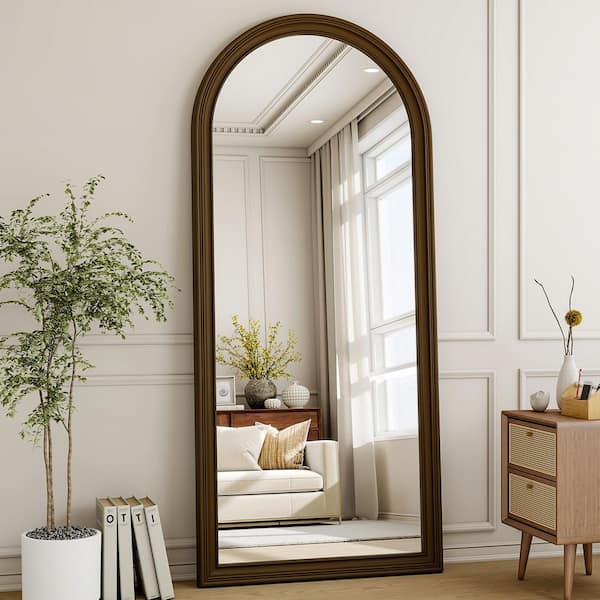
A well-placed mirror is the oldest trick in the designer's handbook — and still one of the most effective. Position a large, leaning mirror opposite your primary window to bounce daylight deep into the room. Opt for frames in antique brass, aged oak, or unlacquered metal rather than polished chrome, which can feel cold. In dining rooms, a mirrored wall panel or a collection of smaller convex mirrors creates the impression of windows where there are none.

4. Bring In Soft Greens and Sky Blues as Accents
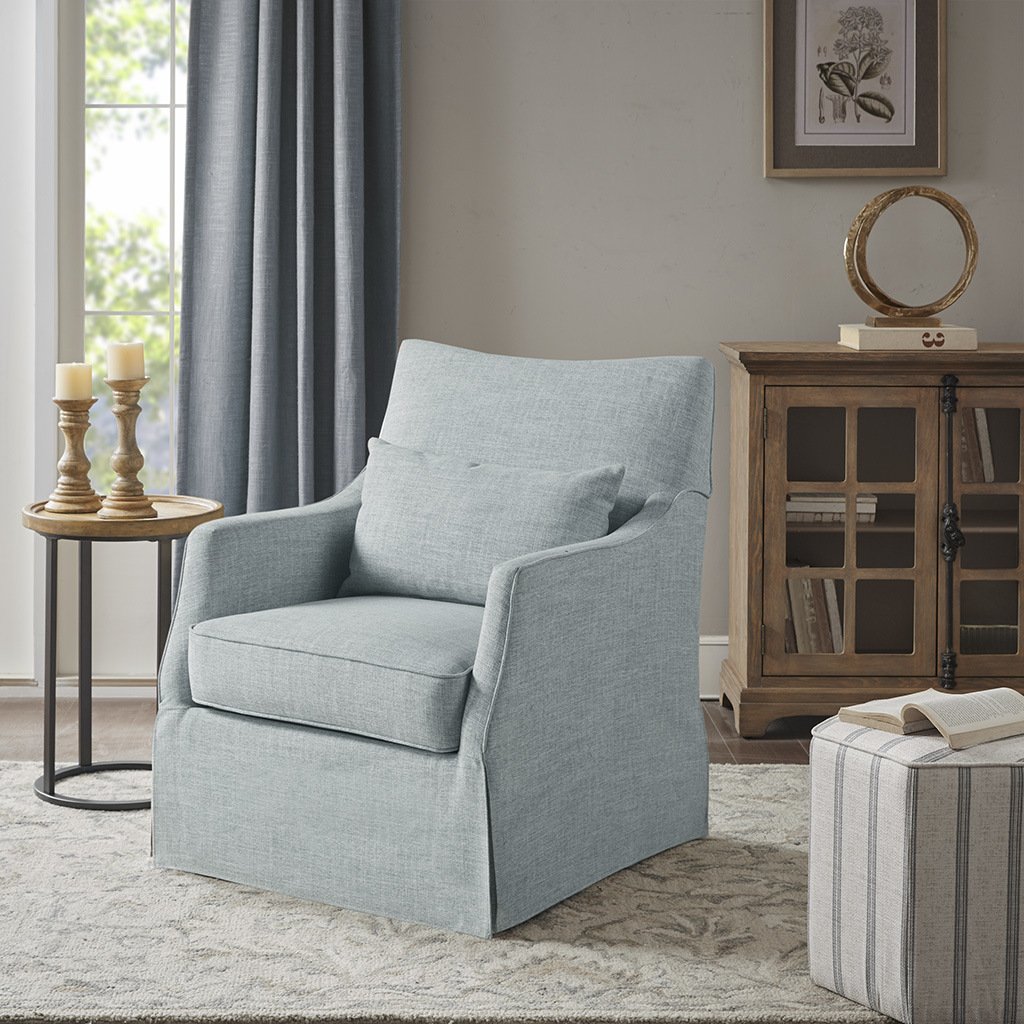
If your base palette is neutral, spring color arrives through accents — and nothing reads more seasonally correct than sage green, celadon, dusty mint, or a washed-out sky blue. A single large cushion in sage linen, a ceramic vase in pale seafoam, or a print with botanical greens against a cream ground — these touches are transformative without requiring commitment. They can be swapped out come autumn with minimal effort.

5. Edit Ruthlessly: Embrace Negative Space
Airy interiors breathe precisely because of what they don't contain. Walk through each room with fresh eyes and remove at least one-third of the decorative objects on any given surface. Keep only what has genuine visual weight or personal meaning. The empty space that remains is not absence — it is the thing that makes everything else sing. In spring, a single stem of cherry blossom in a tall glass vase on a bare countertop is more powerful than a dozen objets arranged in careful clusters.

6. Layer Light Textiles: Linen, Cotton, and Gauze
Swap out winter's heavier throws and chunky knits for lightweight summer-weight textiles. Washed linen, stonewashed cotton, and open-weave gauze all have a relaxed, lived-in quality that heavy fabrics cannot replicate. Layer them: a linen-covered sofa, a fine cotton throw draped loosely over one arm, a cotton-silk cushion or two in complementary tones. The layers add richness without weight, warmth without density.

7. Introduce Organic and Botanical Elements
The fastest way to bring spring inside is quite literally to bring spring inside. A loosely arranged bunch of white tulips, a single branch of flowering quince in a tall vessel, trailing ivy in a terracotta pot, or a cluster of ferns on a windowsill — botanical elements act as living color and sculptural form simultaneously. The imperfection of natural forms (an asymmetrical stem, a leaf caught mid-unfurl) reads as intentional in an edited space.

Advanced Techniques: Deeper Design Knowledge
8. Curate Furniture with Slim Profiles and Elevated Legs
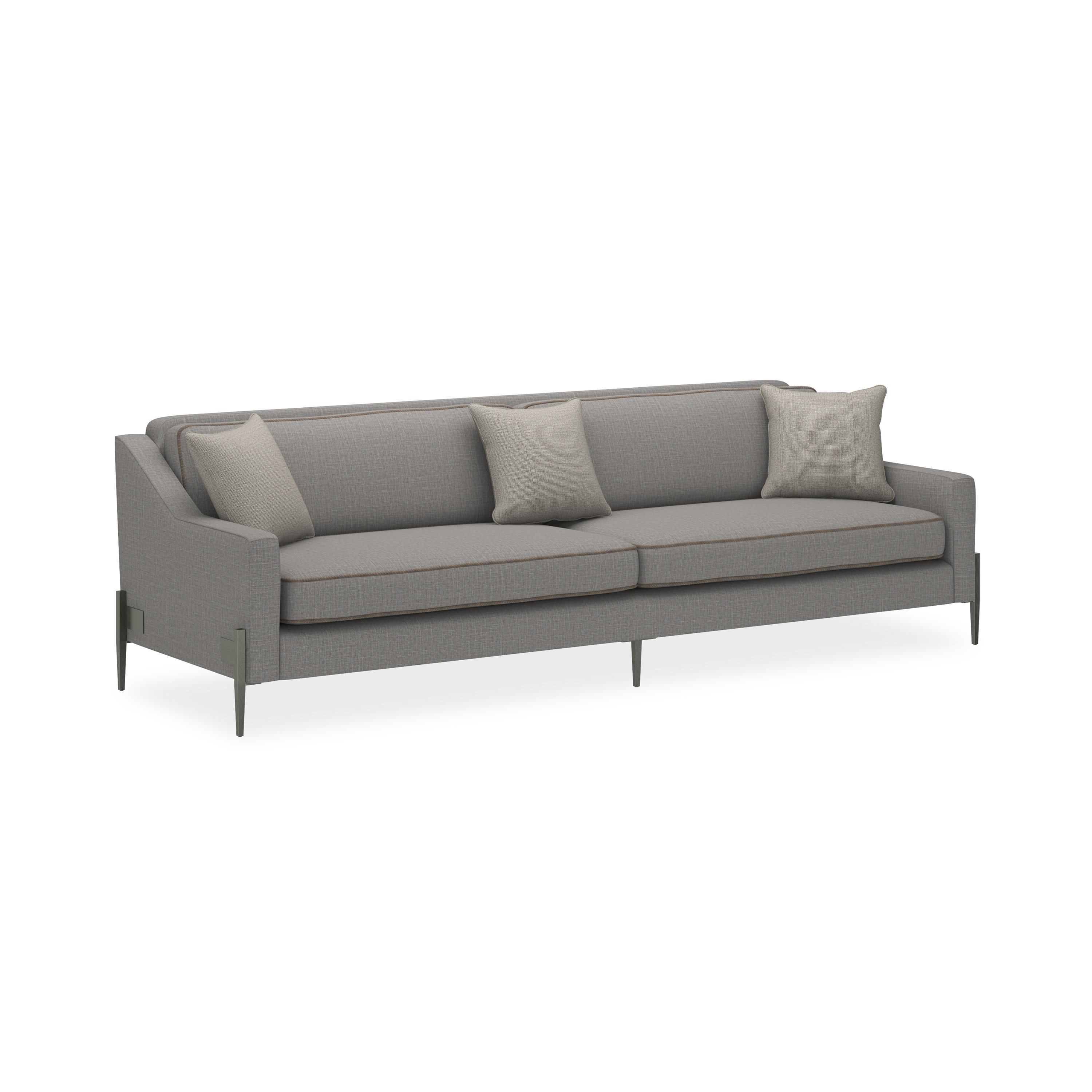
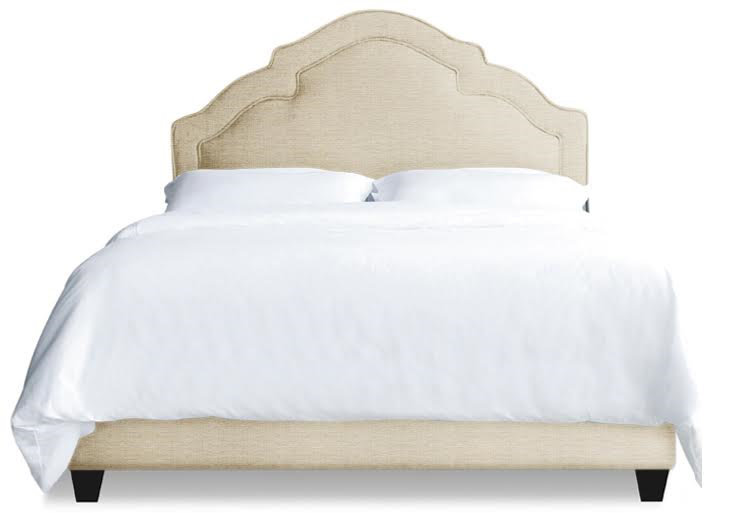
The visual weight of furniture determines how grounded — or how effortless — a room feels. Heavy furniture that sits directly on the floor creates a sense of immovable mass. For spring and light-filled spaces, choose pieces with slim profiles and elevated legs: a sofa raised on tapered wooden feet, a dining table on slender turned legs, a bedframe that allows light to pass beneath it. This reveals more floor surface, which reads as more floor, which reads as more space. It is a sleight of hand that works every time.

9. Select Light Wood Tones and Natural Materials
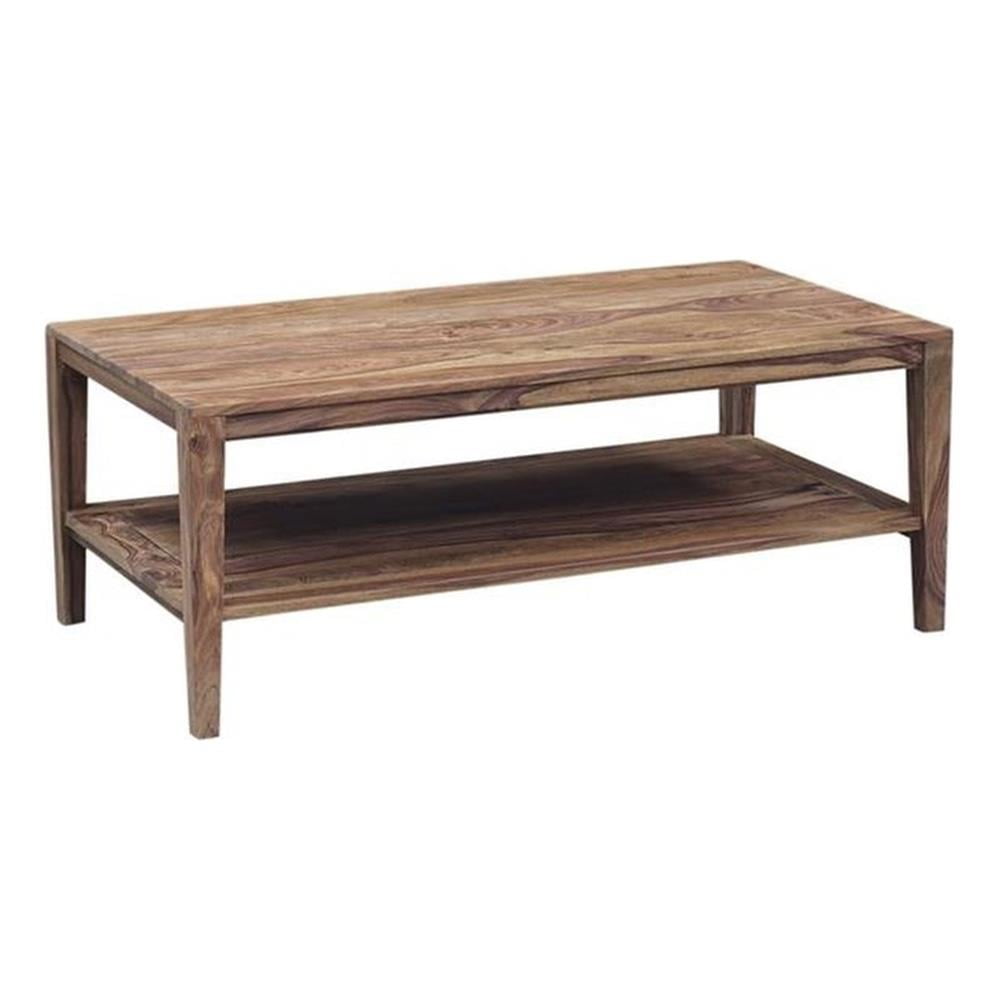
The material palette matters as much as the color palette. Dark woods — ebony, mahogany, walnut in its deeper stains — anchor a room. For spring, pivot toward lighter wood tones: white oak with a natural oil finish, ash, beech, or lightly washed pine. Rattan and wicker introduce an organic texture that is neither heavy nor precious; they bring craft and warmth without closing the room down. A rattan pendant light, for instance, casts extraordinary dappled shadows while remaining visually light in a way that a ceramic or metal pendant simply cannot.

10. Design with Visual Layering and the Rule of Thirds
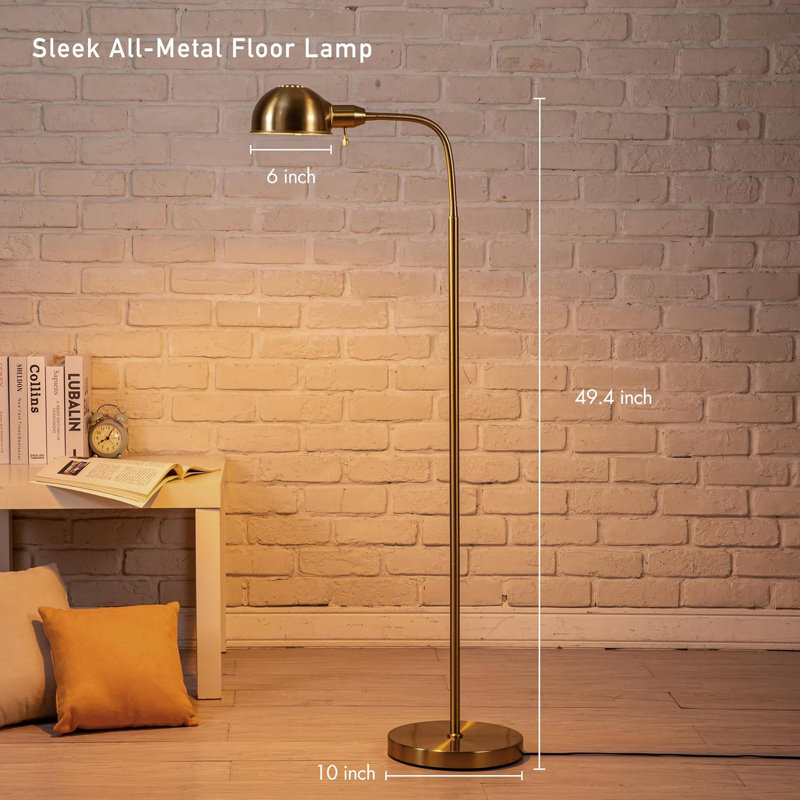
Sophisticated light interiors are rarely flat. They are composed in layers — near, middle, and far — with each layer doing distinct visual work. In practice: a sculptural floor lamp in the foreground, a low sofa with carefully arranged cushions in the middle ground, an art piece or architectural detail at the back wall. Each element occupies its zone without crowding another. Apply the rule of thirds to shelf styling: fill no more than two-thirds of any shelf with objects, leave the rest as breathing space, and vary height between objects for a rhythm that feels organic.

11. Use Pattern Carefully: Organic, Small-Scale, or Tonal
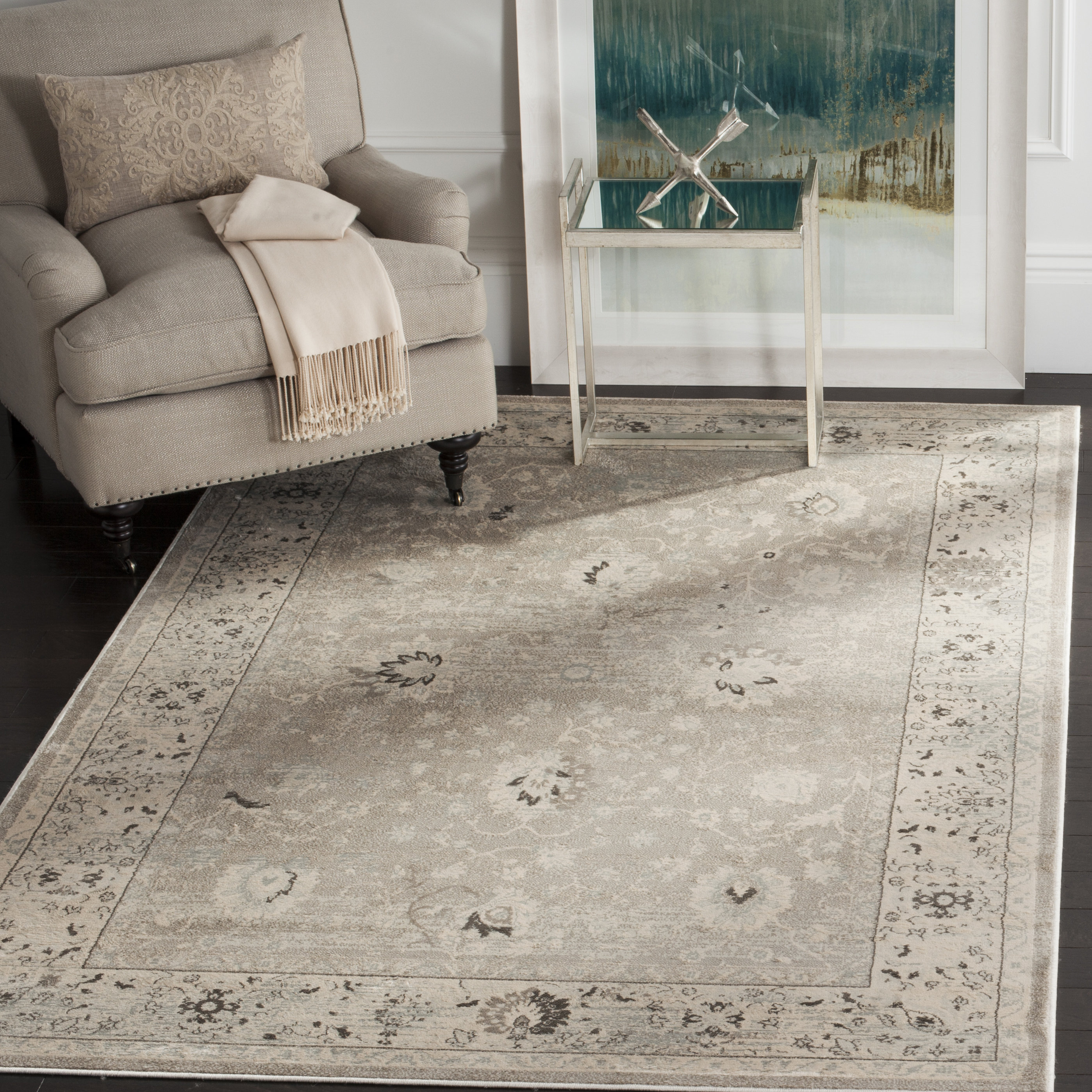
Pattern in a light interior should feel like a whisper, not a statement. Consider: a barely-there tonal stripe on a linen curtain, a small-scale botanical print on a single accent chair, a woven geometric on a jute rug that reads almost as texture rather than pattern. The rule of thumb for spring interiors is that pattern should enhance the palette, not compete with it. If in doubt, opt for tonal embroidery, jacquard weave, or printed patterns in tones so close to the base palette they register subconsciously rather than consciously.

12. Layer Your Lighting: Ambient, Task, and Decorative
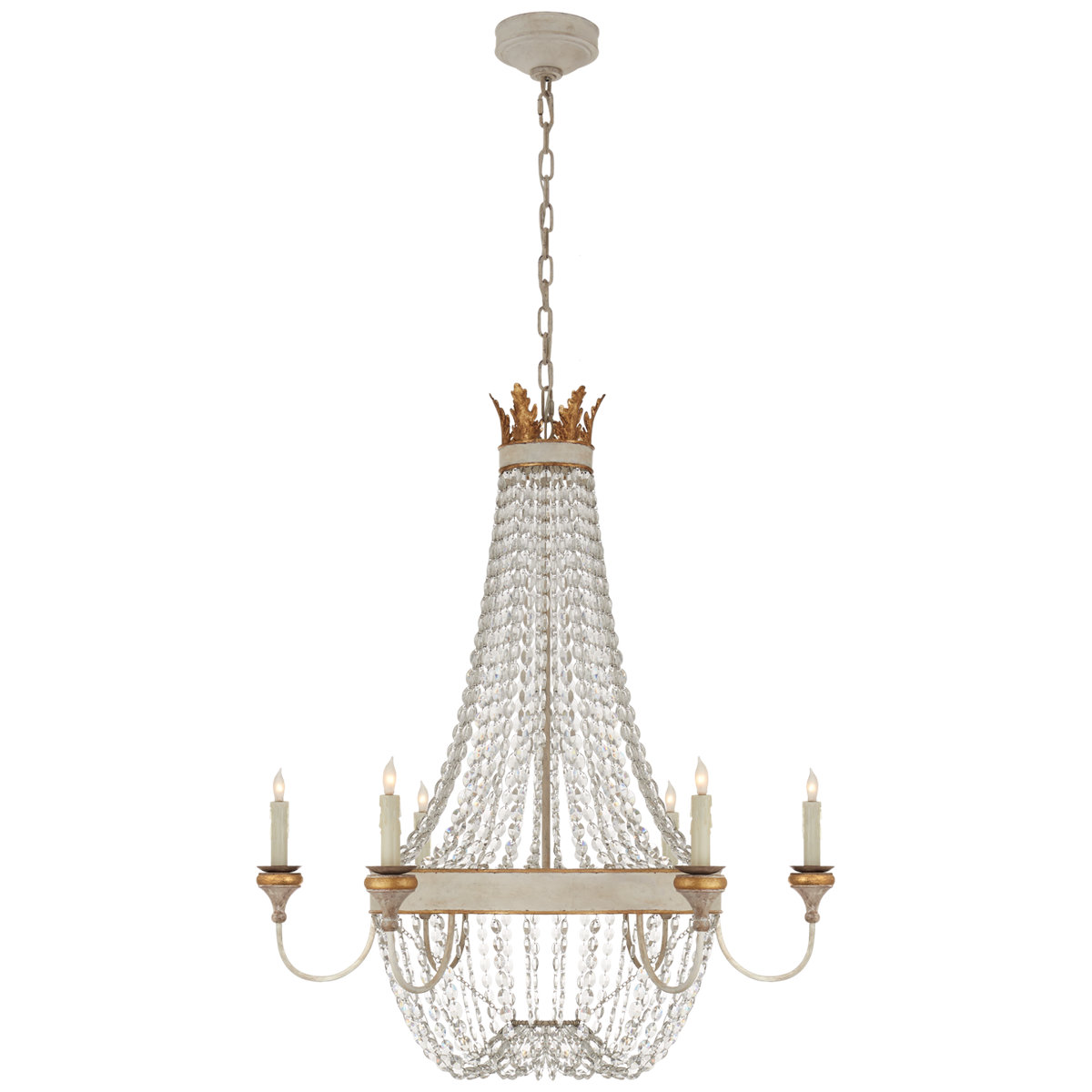
Great light interiors depend on layered artificial lighting as much as natural light. A single overhead fixture — however beautiful — flattens a room. Instead, layer three types: ambient (the general illumination — often a ceiling fixture or wall sconces), task (focused light for reading, working, cooking), and decorative (table lamps, floor lamps, candlelight) that create warmth and intimacy in the evening. For spring, warm-toned bulbs (2700K–3000K) preserve the golden quality of daylight hours long after the sun has set.

Expert Level: Bespoke and Considered Sourcing
13. Commission Artisan and Bespoke Pieces for Signature Moments
The interiors that feel most considered — the ones that photograph beautifully and live even better — typically have at least one or two pieces that cannot be found anywhere else. A hand-thrown ceramic lamp base from a studio potter. A custom linen sofa made to precise specifications by a small upholsterer. A vintage rattan chair sourced from a specialist dealer and reupholstered in a particular fabric. These bespoke or artisan moments are not about expense for its own sake; they are about objects that carry a quiet authenticity that mass production cannot replicate. One significant, genuinely beautiful piece in a room of considered simplicity is worth more than a dozen competent choices.

14. Work with an Interior Designer for a Cohesive, Long-Term Vision
The difference between a well-decorated room and a truly designed interior is often the presence of a professional eye. Interior designers bring access to trade-only suppliers, the ability to plan a space architecturally as well as aesthetically, and the experience to know which decisions will age well and which will not. For those undertaking a significant renovation or a whole-home refresh, commissioning a designer — even for a one-time consultation rather than a full project — can prevent costly mistakes and clarify a vision that feels instinctive but has not yet been made legible. The light-filled, spring-ready interior of your imagination is entirely achievable; the question is simply how to get there most efficiently, and most beautifully.

A Note on Restraint
The most common mistake in pursuit of a light and airy interior is adding more — more white, more linen, more plants — rather than subtracting. The rooms that feel most effortlessly spring-like are the ones that have been curated rather than accumulated. Each piece has been chosen, every surface considered, and the space in between treated with the same care as the objects within it.
Start with subtraction. Then, with a clear eye and unhurried intention, begin to add back — only what is essential, only what is beautiful, only what earns its place in the light.
Pairing colour with the light-and-airy look? Explore Spring Color Palettes for Your Home: 10 Ideas to Refresh Any Room for ten seasonal combinations.
For the living, natural side of spring interiors, read Bring Nature Indoors This Spring: Biophilic Design Ideas.
Looking for a professionally designed spring interior plan — or want to explore bespoke furniture and decor to achieve this look? Browse our curated interior design packages for a custom plan tailored to your space.