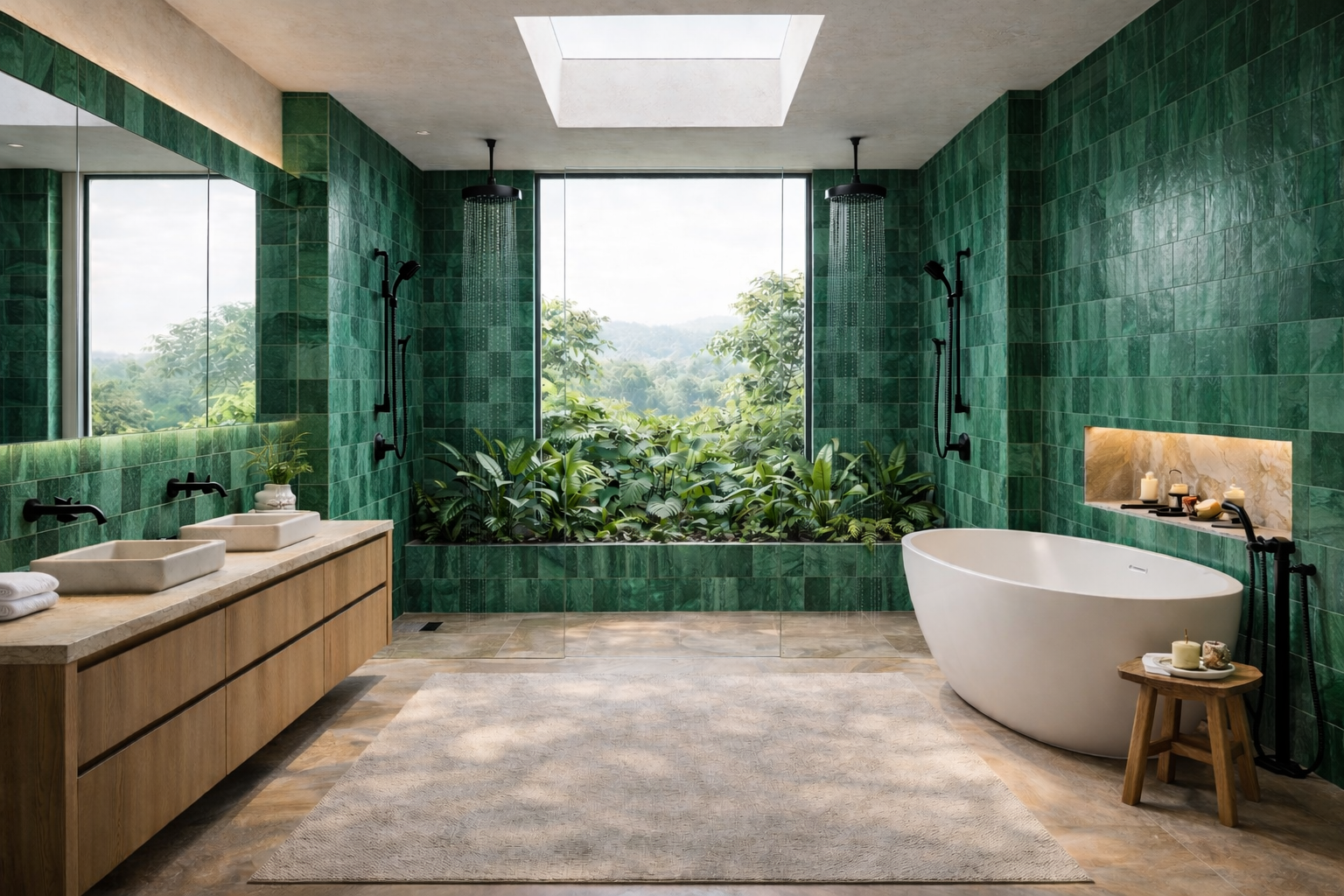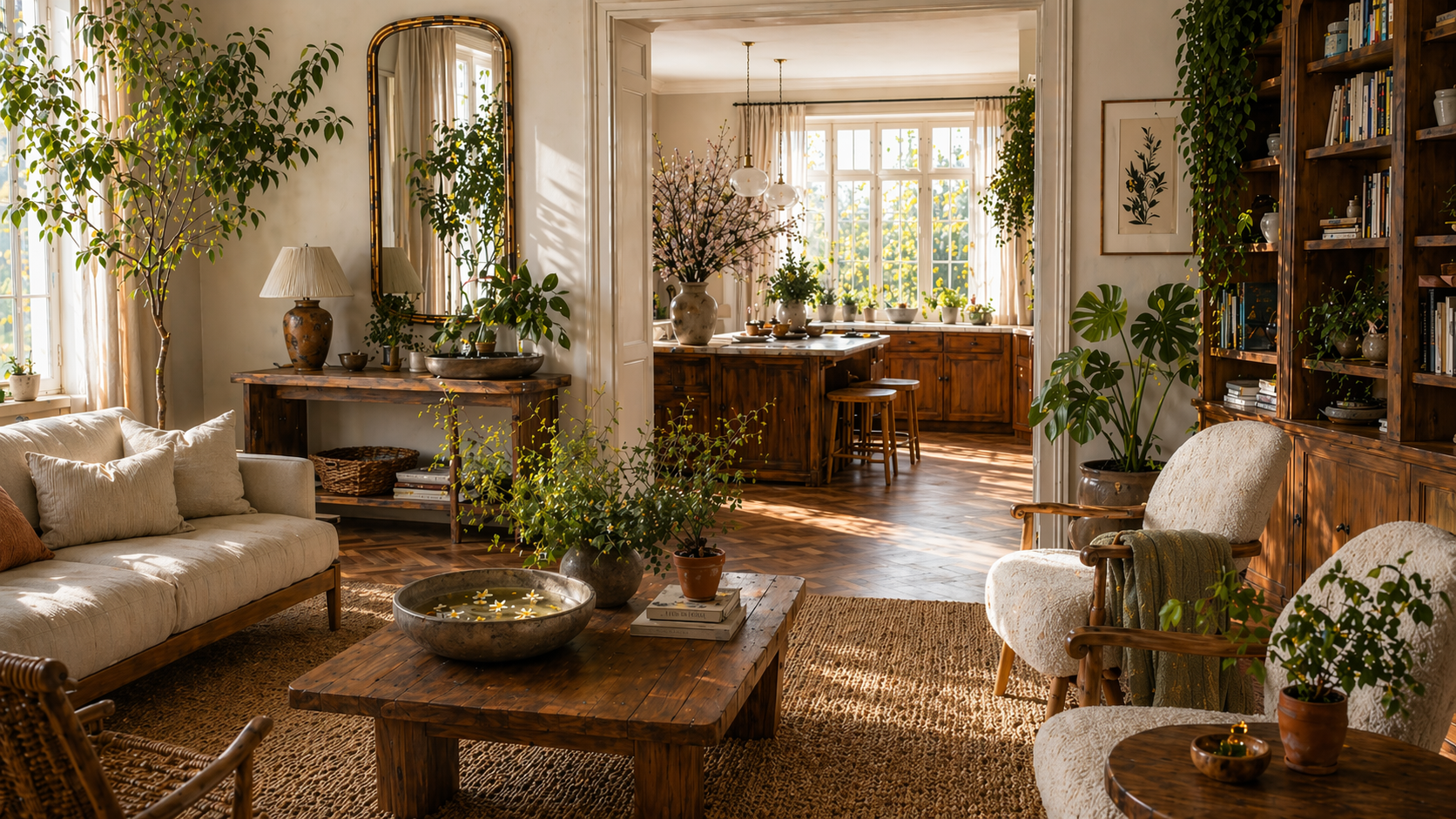
Spring is the season of renewal — of longer days, blooming gardens, and that irresistible urge to throw open the windows and breathe in fresh air. But what if you could hold onto that feeling all season long, right inside your home? That's the promise of biophilic design: a way of living that weaves the natural world into your everyday spaces, so that even on a rainy Tuesday, your home feels like a breath of fresh air.
What Is Biophilic Design?
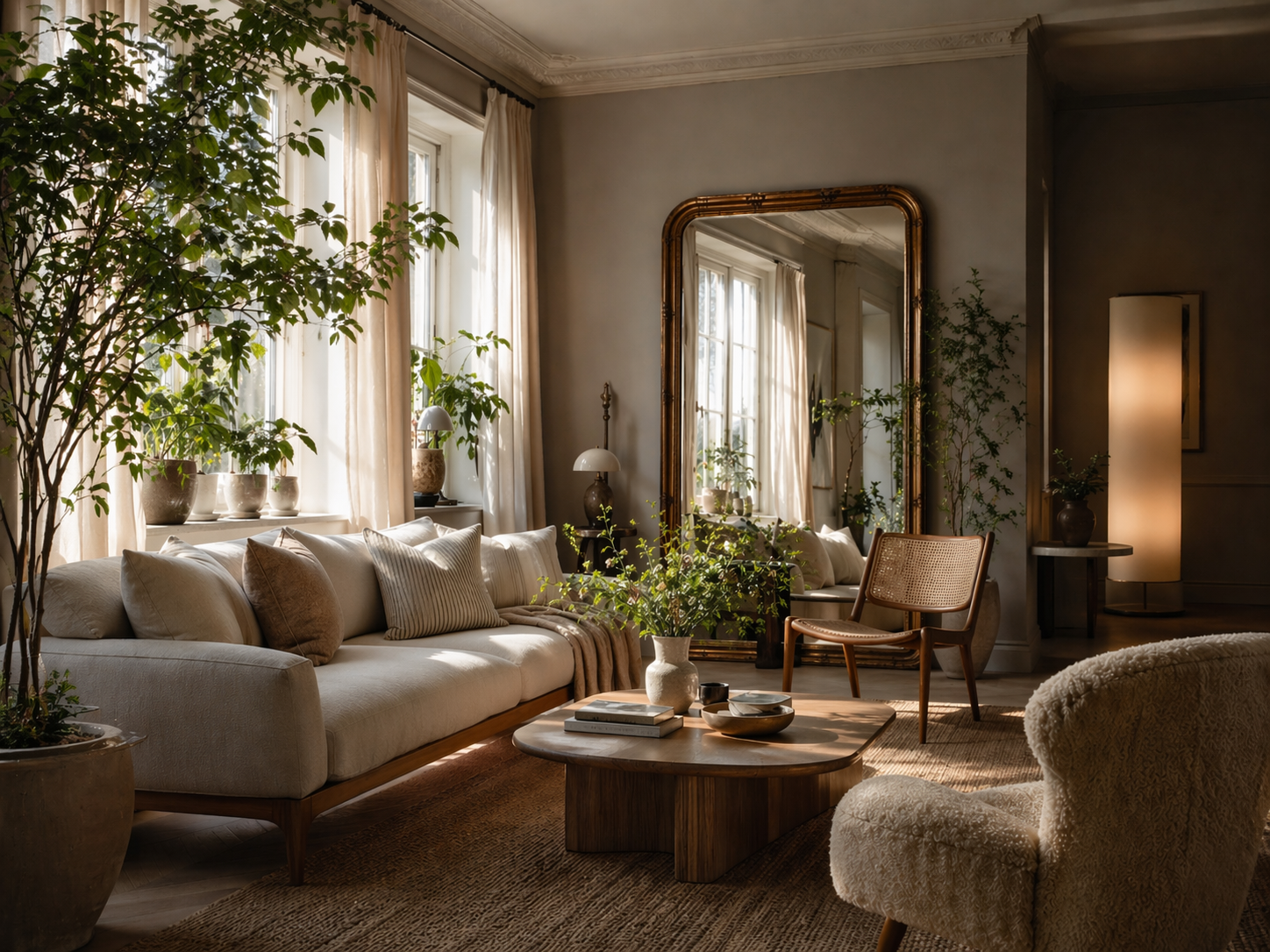
Biophilic design is the practice of incorporating natural elements — plants, light, water, organic textures, and natural materials — into built environments. The word comes from "biophilia," a term coined by biologist E.O. Wilson to describe humanity's deep, innate connection to nature.
It's not just aesthetics. Research consistently shows that spaces with natural elements reduce stress, improve focus, and even boost creativity. A few houseplants or a well-placed window isn't just pretty — it's good for you.
And spring? Spring is the perfect time to lean in.
Spring-Specific Tips for Bringing Nature Indoors
1. Let the Light Lead
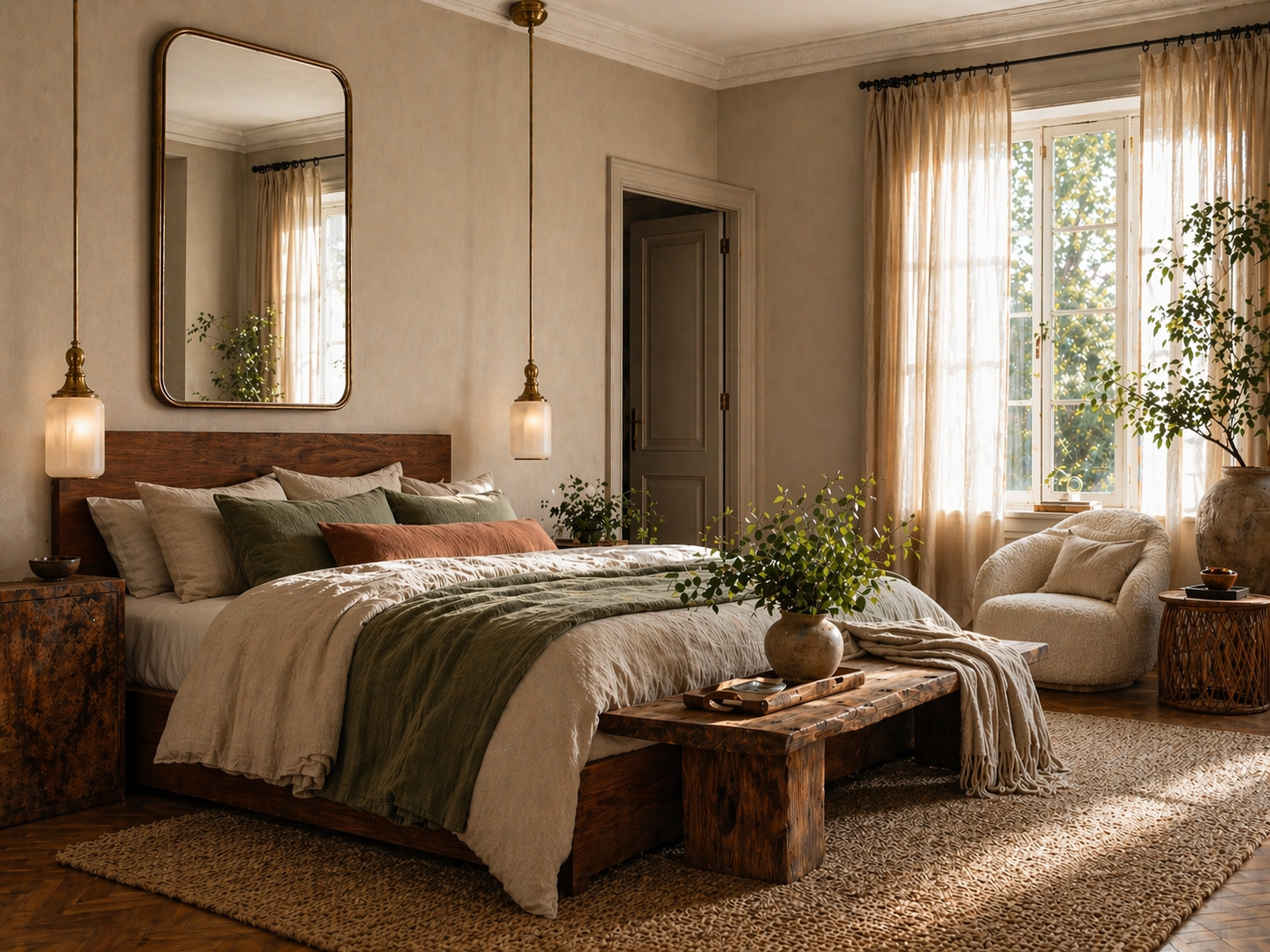
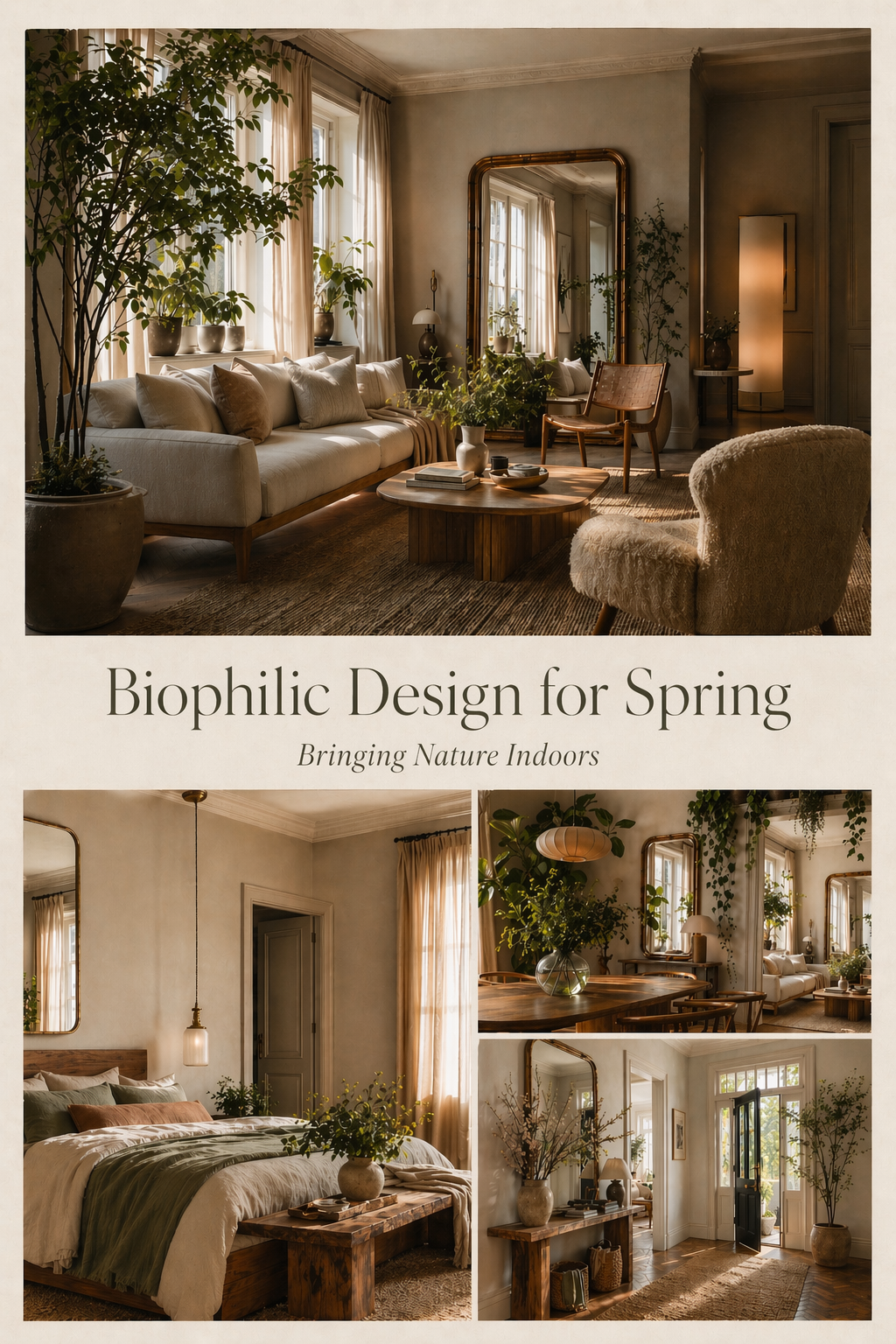
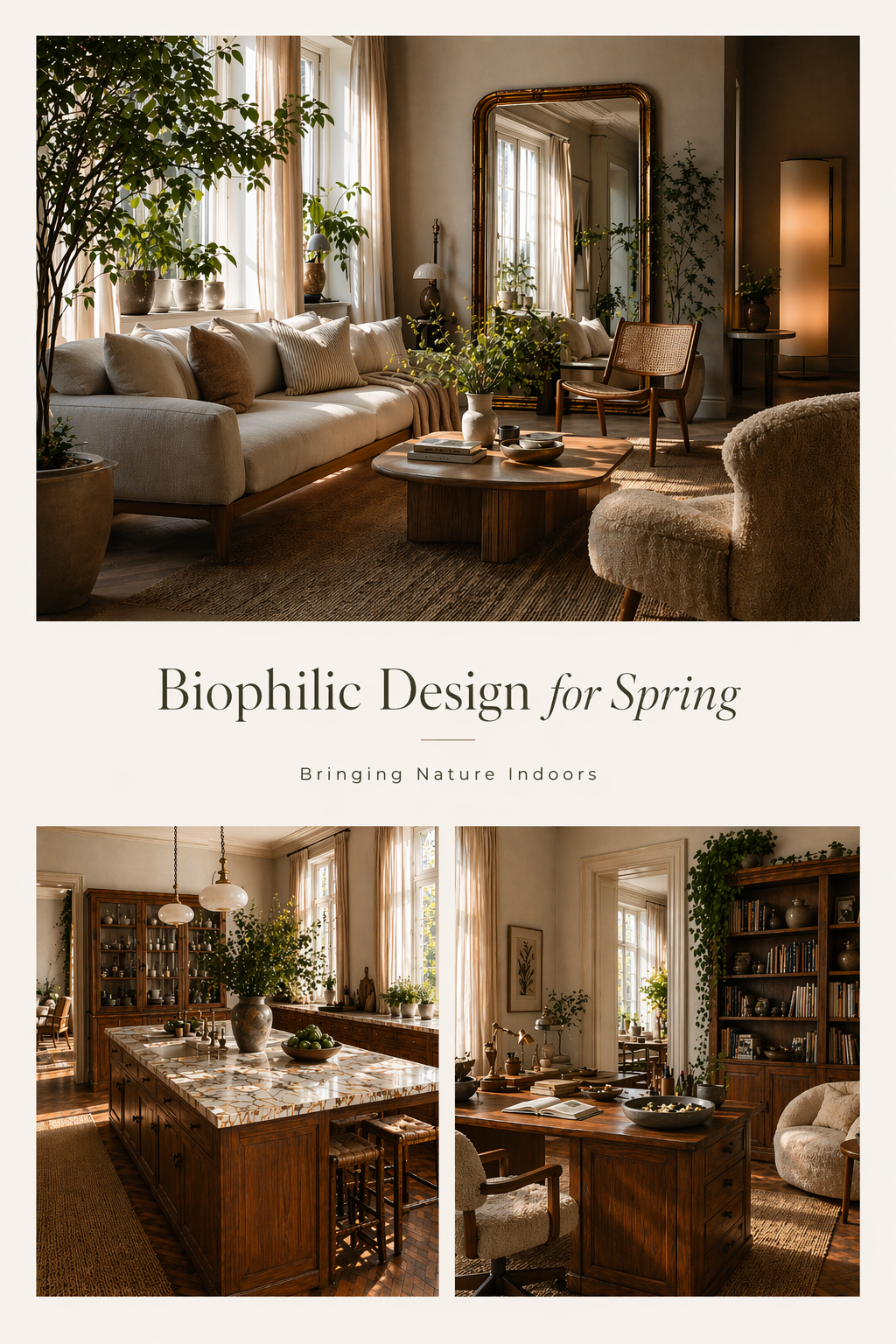
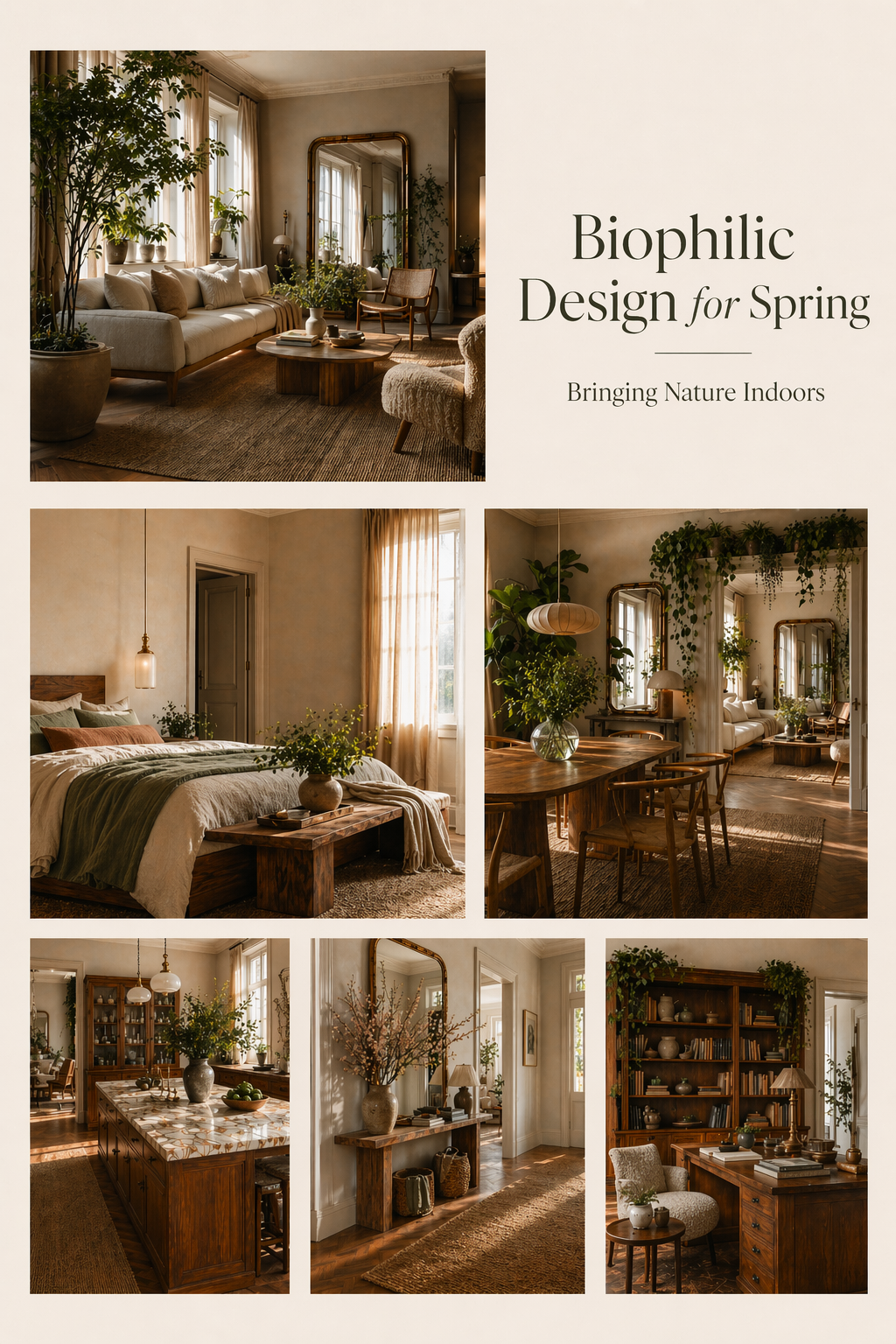
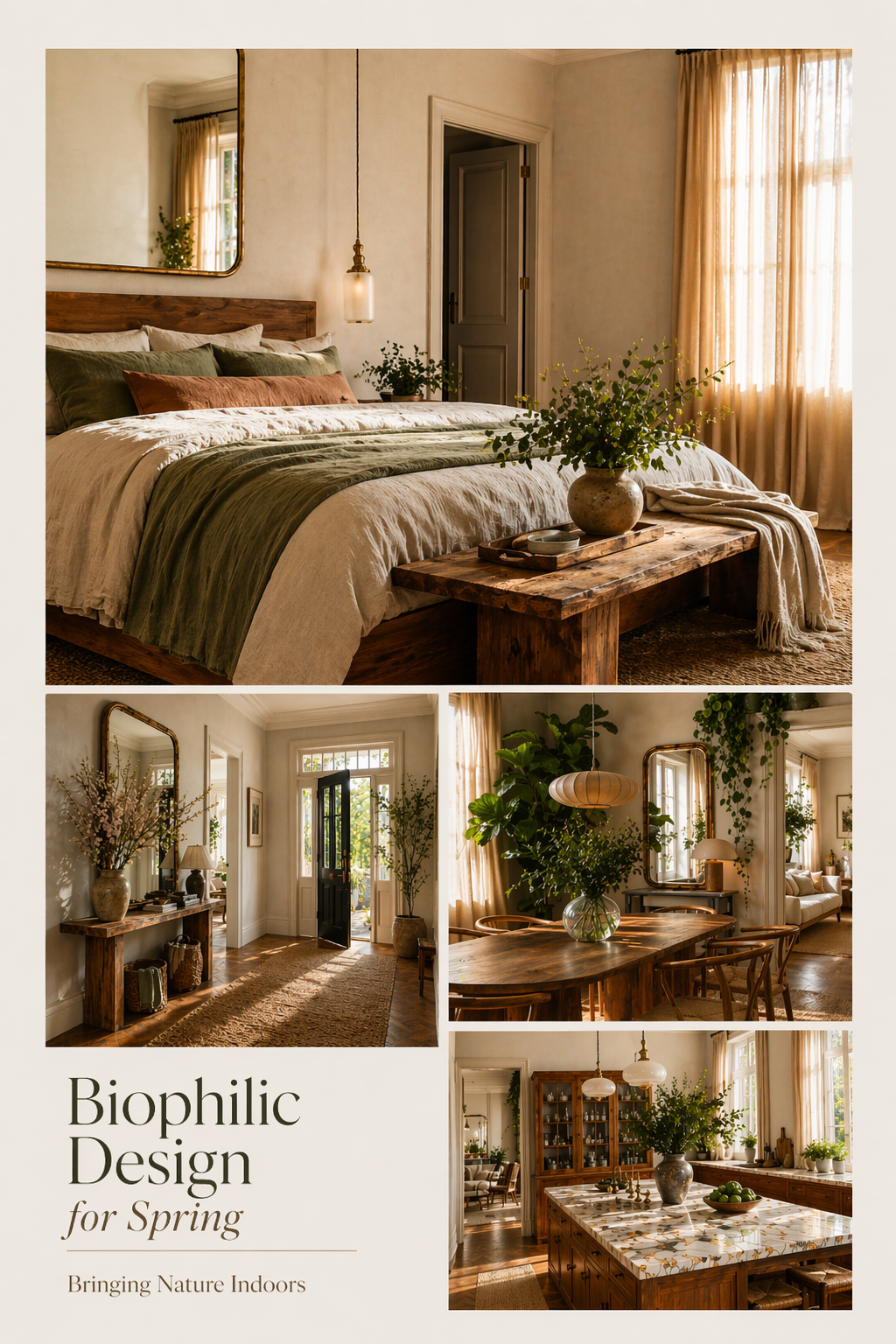
Spring light is softer and warmer than winter's flat grey — and your home should celebrate it. Start by assessing where natural light enters your space and amplifying it. Swap heavy drapes for linen or sheer curtains that allow light to filter through. Position mirrors opposite windows to bounce sunlight deeper into the room.
If you have a dark corner, consider a skylamp or a full-spectrum light source that mimics the gentle quality of spring sunlight. Light is the foundation of biophilic design — it connects you to the rhythm of the day.
2. Bring in Plants — Strategically
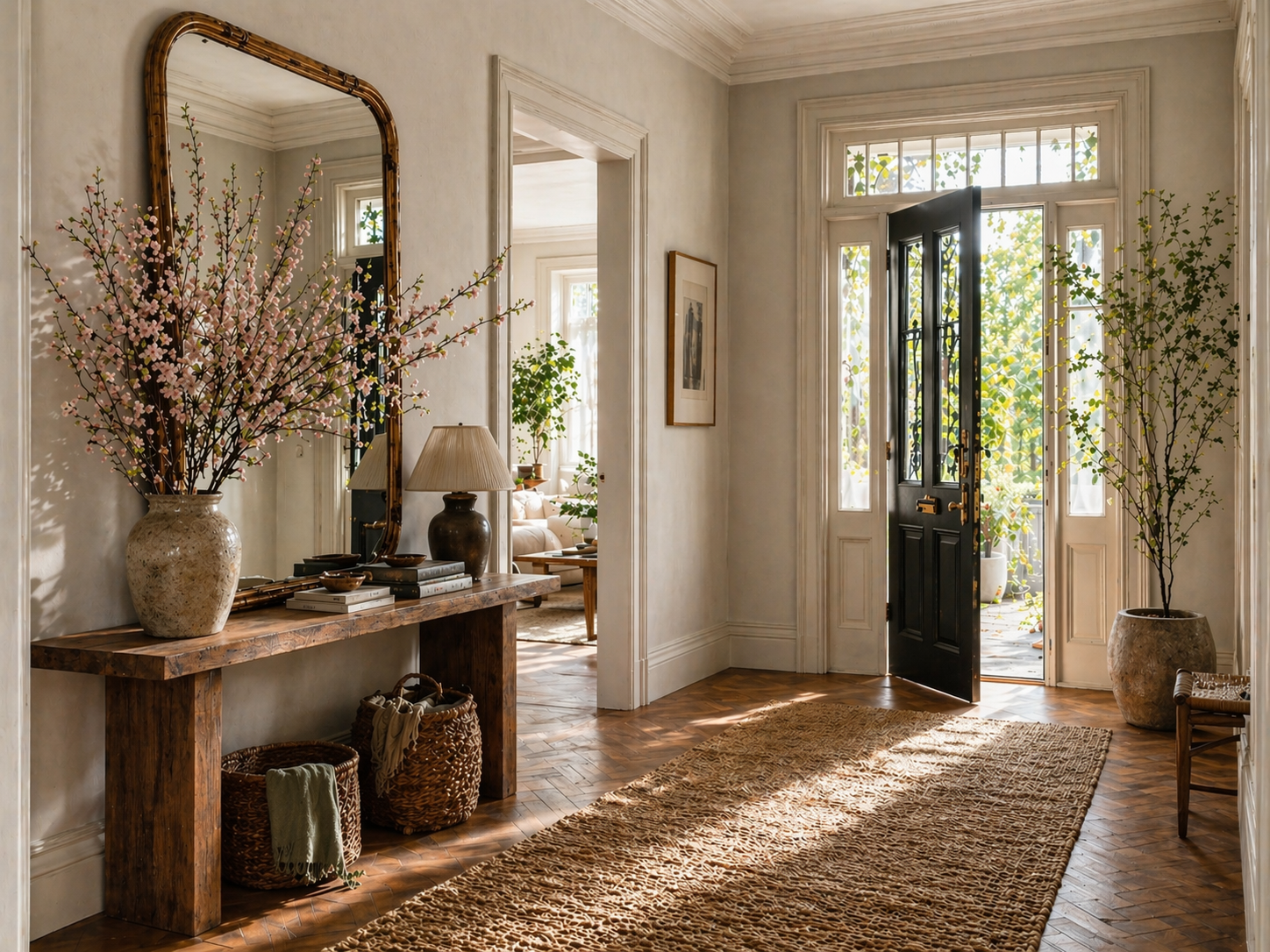
This is the heart of biophilic design for spring, and it's more intentional than simply buying whatever's at the garden center. Think about function and placement:
- Air quality: Snake plants, peace lilies, and pothos are champions at filtering indoor air — great for bedrooms and home offices.
- Statement pieces: A large fiddle-leaf fig or monstera creates a focal point in living rooms, mimicking the drama of an outdoor tree canopy.
- Trailing and cascading: Ivy, heartleaf philodendron, or string of pearls spilling from a shelf adds movement and softness — like a vine growing over a garden wall.
- Herbs on the windowsill: Basil, mint, and rosemary in the kitchen connect design to daily life. You cook with them, smell them, touch them — pure biophilic living.
Spring is an ideal time to start fresh. Many plants launch new growth as daylight increases, making this the best season to repot, propagate, and introduce new green life.
3. Use Natural Materials and Textures
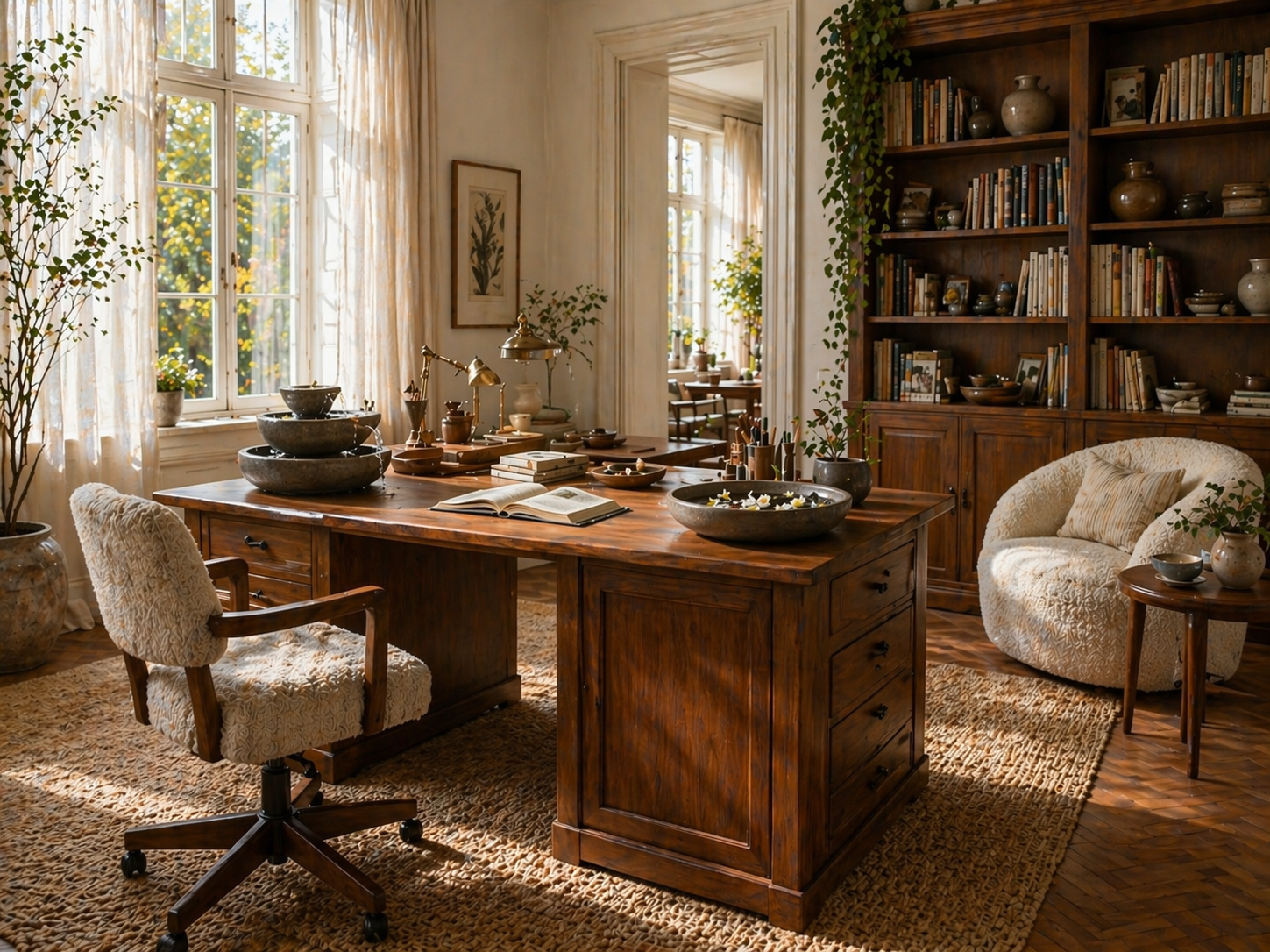
Nature isn't just green. It's the grain of wood, the roughness of stone, the softness of wool, the weave of rattan. Spring is the perfect time to refresh your home with materials that echo the outdoors:
- Swap synthetic throw pillows for linen, cotton, or wool in earthy tones — sage, terracotta, warm sand.
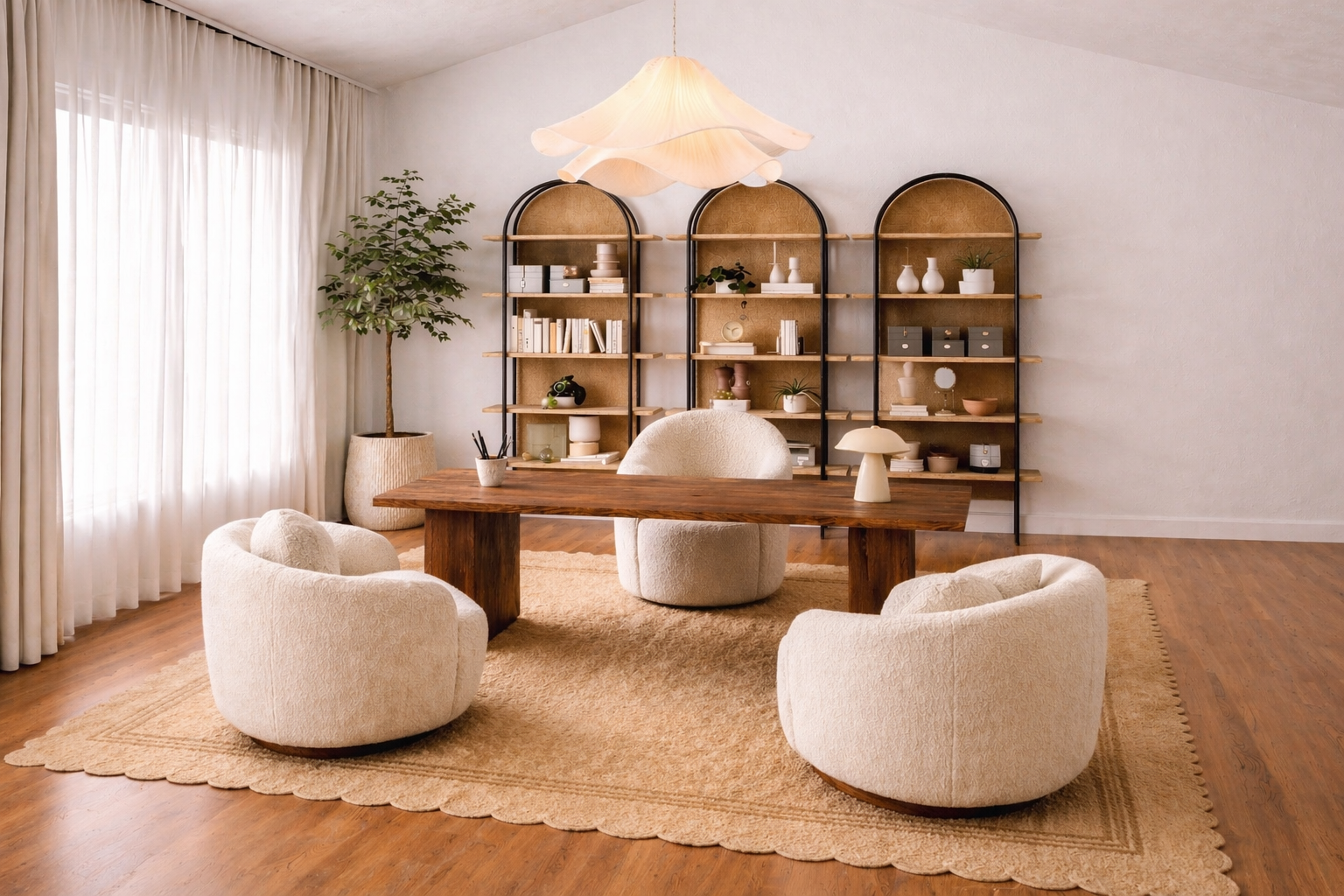
- Add a jute or sisal rug to anchor a seating area with texture underfoot.
- Introduce wooden accents — a reclaimed wood coffee table, bamboo frames, or a live-edge shelf.
- Layer in stone and ceramic through decorative objects, planters, or sculptural vases.
The goal isn't to replicate the outdoors, but to evoke it — to give your senses something that feels honest and grounded.
4. Embrace Natural Color Palettes
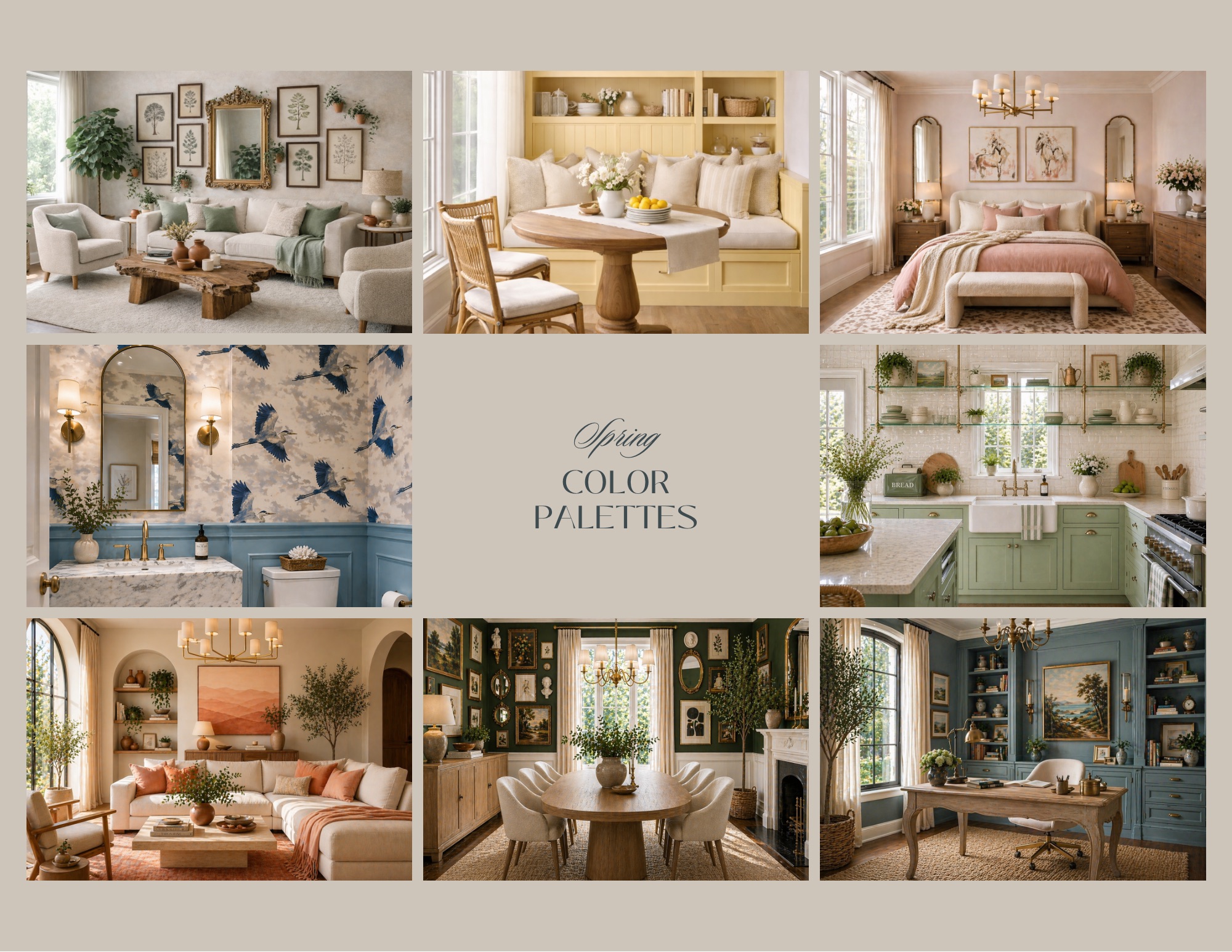
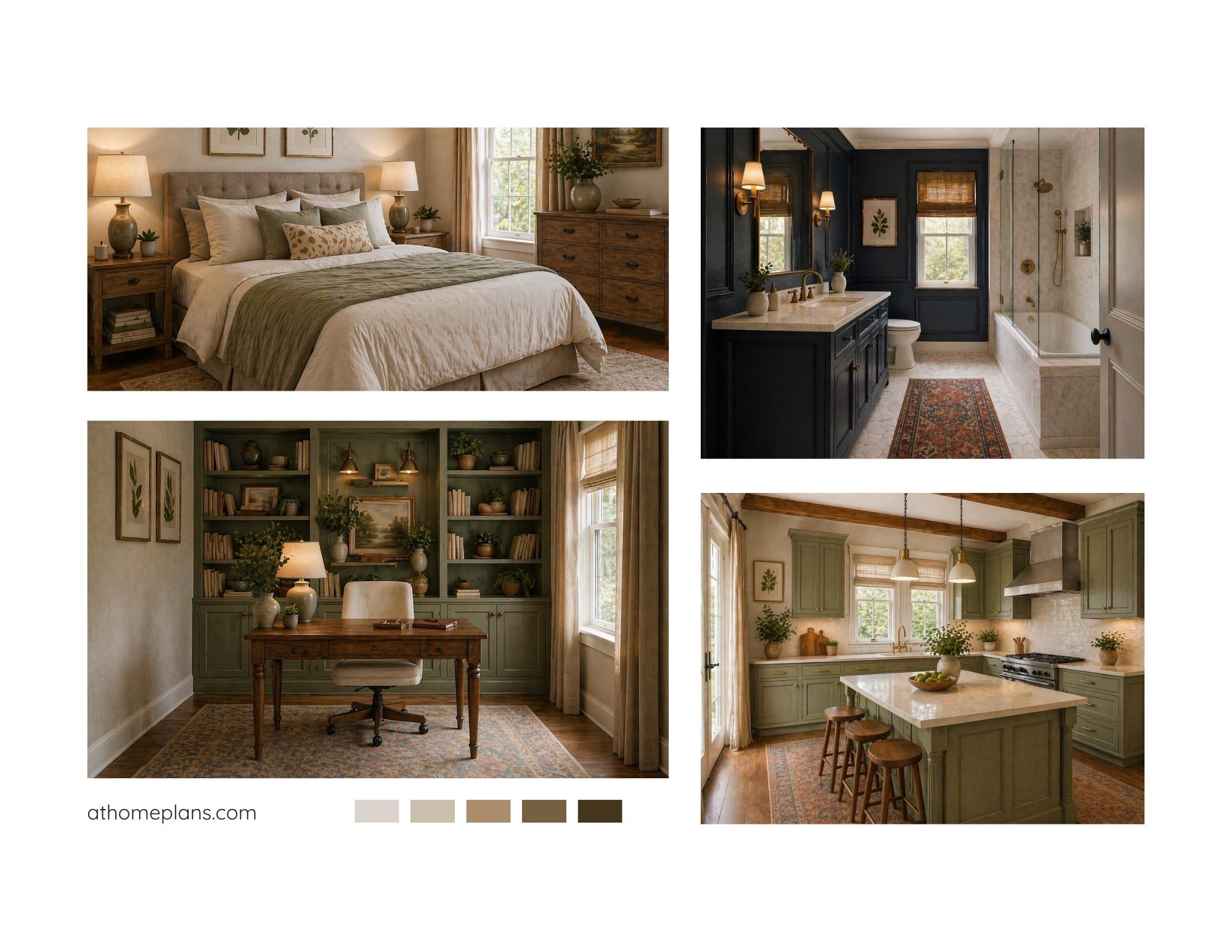
Spring's colors are quieter than you might expect: the pale green of new leaves, the warm blush of cherry blossoms, the cool grey of stone, the rich brown of turned soil. These are the shades that make a room feel alive without overwhelming it.
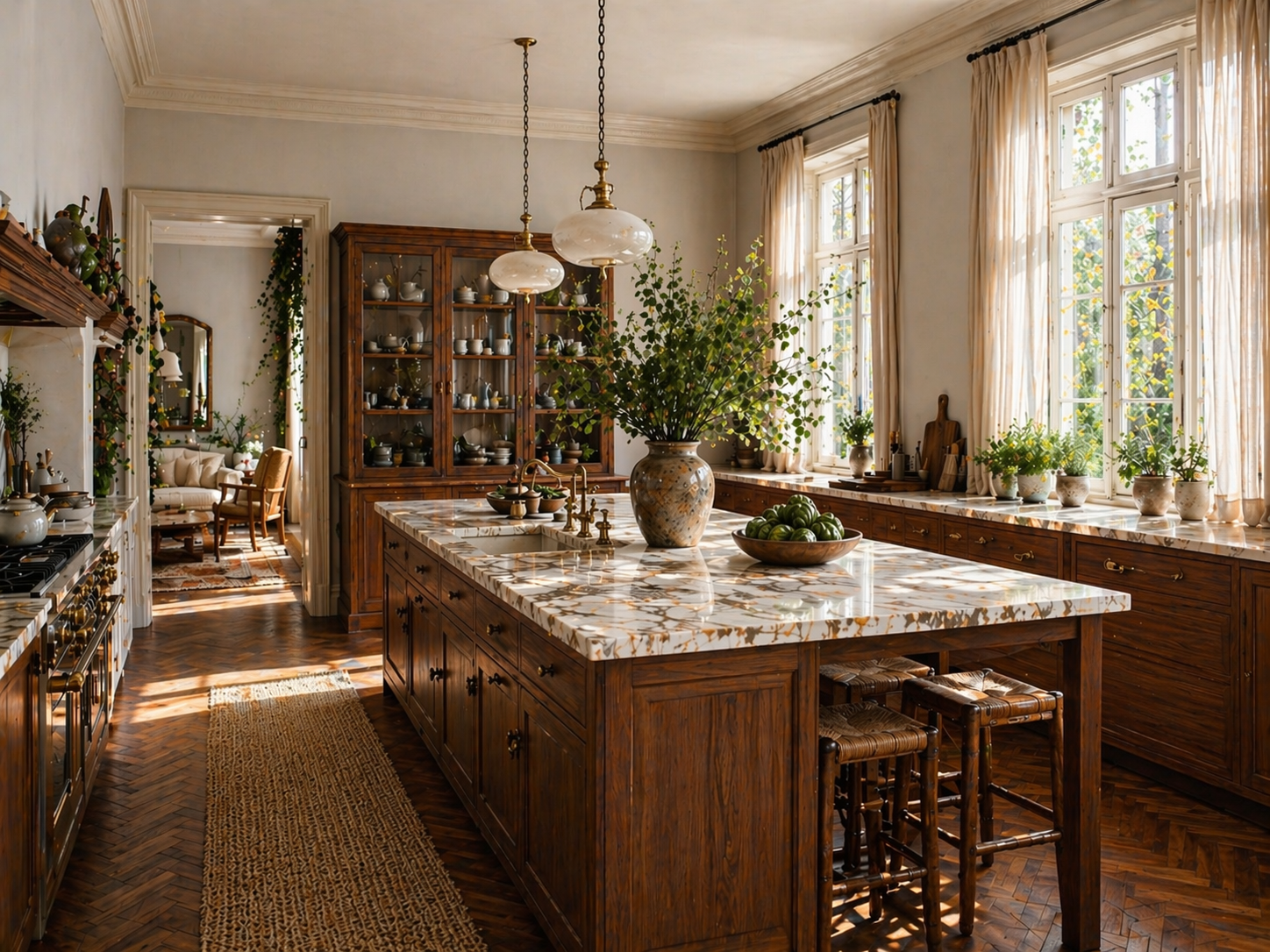
Consider refreshing accent pieces or a single wall with colors drawn from nature: sage green, dusty rose, warm ochre, or soft terracotta. Paired with neutrals — cream, linen, warm white — these palettes feel both current and timeless.
5. Introduce Water and Sound
The sound of water is one of the most powerful natural cues for calm. A small tabletop fountain in a living room or bedroom adds both ambient sound and visual movement. Even a decorative bowl of water with floating botanicals creates a moment of stillness.
If a water feature feels like too much, consider a white noise machine with nature sounds — rain, streams, birdsong — as a practical and affordable alternative.
Plant and Decor Pairing Ideas
Not sure how to style your new green additions? Here are a few pairings that work beautifully:
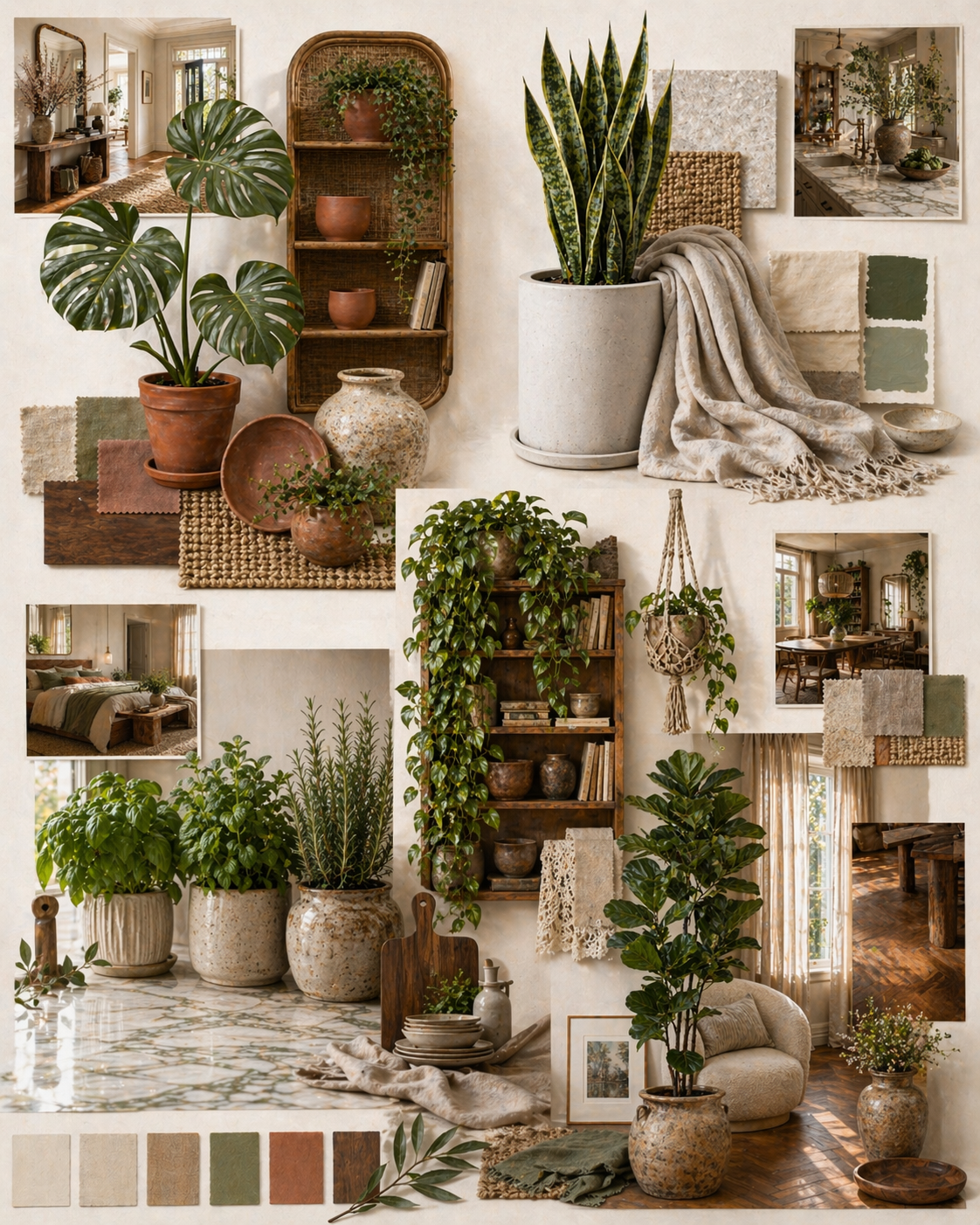
- Monstera + rattan shelf + terracotta pots: Tropical meets earthy. The large graphic leaves of a monstera contrast beautifully with the warmth of rattan and the matte finish of terracotta.
- Snake plant + minimalist concrete planter + linen throw: Clean, architectural, and low-maintenance. Perfect for a modern bedroom or home office.
- Trailing pothos + macramé hanger + wooden bookshelf: Bohemian and warm. The cascading foliage adds life to a static shelf.
- Herb garden + ceramic pots + marble countertop: Kitchen-perfect. The organic shapes of herbs against the smooth stone surface is endlessly pleasing.
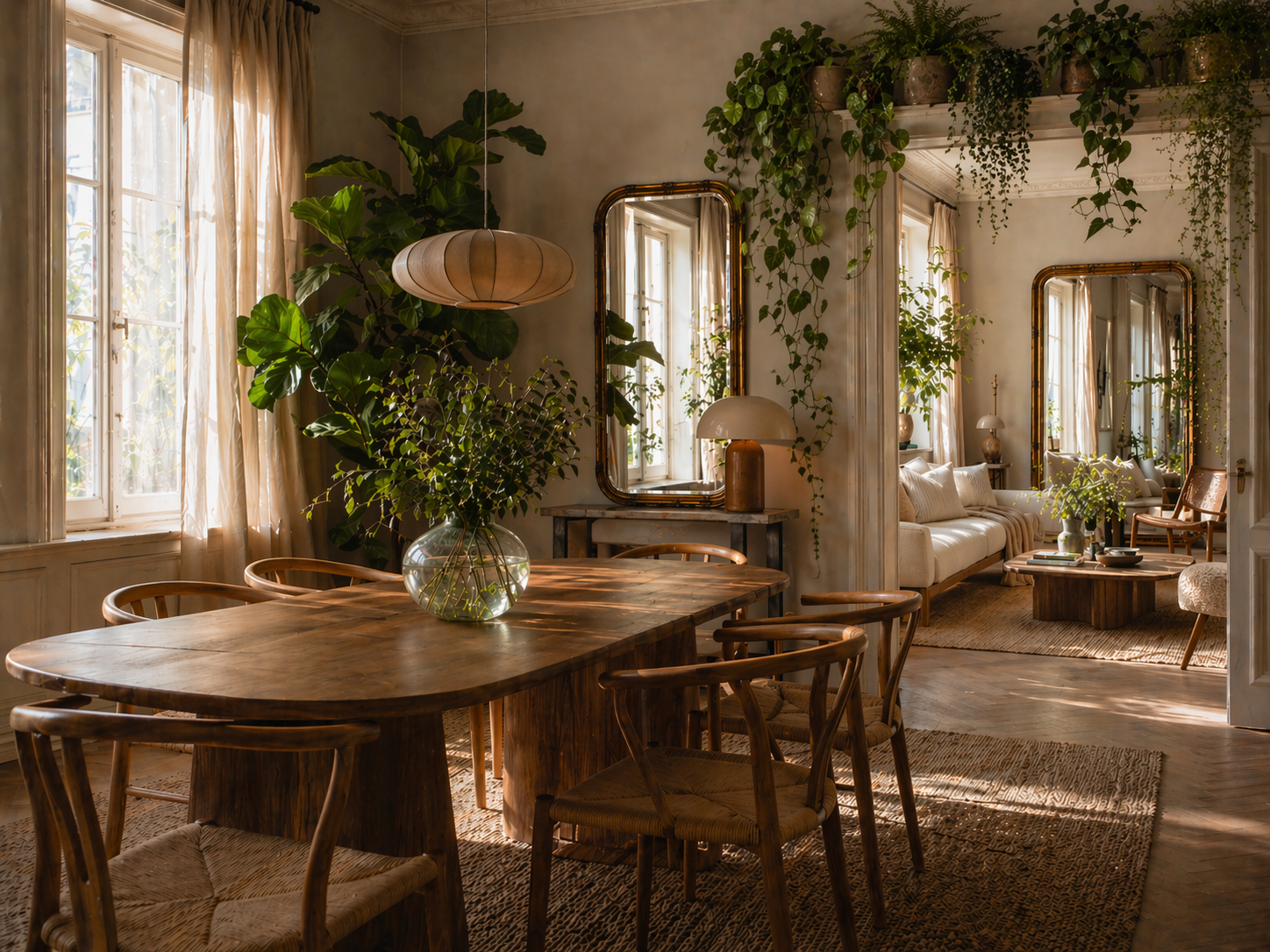
- Fiddle-leaf fig + linen curtains + warm wood floors: Classic biophilic living room. Tall plant, soft light, natural materials — the trifecta.
Your Home Is Your Garden
Biophilic design isn't about perfection or having an Instagram-worthy plant collection. It's about building a relationship between your home and the natural world — slowly, intentionally, and joyfully.
This spring, start with one change: a new plant, a linen curtain, a bowl of stones from a walk. Notice how it shifts the feeling of the room. Then keep going.
Nature has a way of making everywhere feel like home.
Ready to design a space that brings the outdoors in? Browse our curated collections of natural materials, handpicked decor, and custom interior plans — designed to help you create a home that feels as good as a walk in the park.