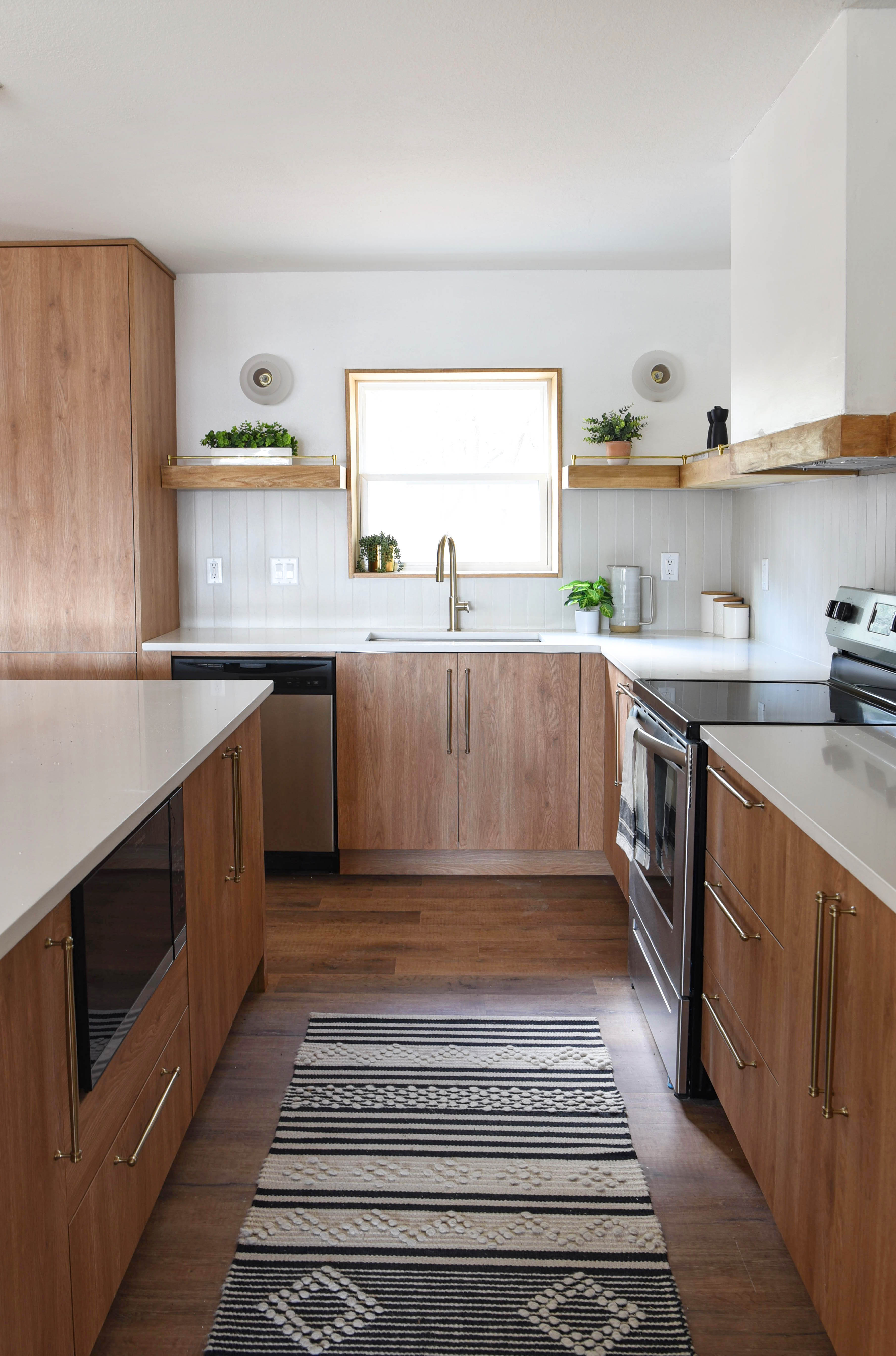
Ever walked into a room filled with plants and natural light and immediately felt calmer? That is not a coincidence. It is biophilic design at work — and once you understand the principles behind it, you will start seeing opportunities to apply it everywhere in your home.
Biophilic design is the practice of connecting indoor spaces to the natural world. The word comes from "biophilia" — our innate human affinity for nature. Research consistently shows that spaces designed with nature in mind reduce stress, improve air quality, sharpen focus, and even promote better sleep.
The good news? You do not need to tear out walls or hire an architect to bring biophilic principles into your home. Here are 8 practical ways to get started.
1. Maximize Natural Light
Light is the single most powerful biophilic element available to you. Natural light regulates your circadian rhythm, lifts mood, and makes spaces feel alive in a way artificial lighting cannot replicate.
How to do it:
- Remove heavy drapes and replace with sheer linen panels that let light diffuse softly
- Add a large mirror opposite a window to bounce light into darker corners
- Choose furniture with legs rather than skirted pieces — light flows under and around open-based furniture, making rooms feel less blocked
- Keep windowsills clear of clutter so light enters unimpeded
If your space has limited windows, consider a daylight bulb (5000–6500K color temperature) for task lighting. It is not natural light, but it is far better than warm yellow tones for daytime productivity zones.
Shop our bright room floor plans →
2. Bring in Living Plants (Strategically)
Plants are the most obvious biophilic element — and for good reason. They clean the air, add oxygen, and introduce organic shapes that soften hard-edged interiors. But placement matters more than quantity.
High-impact placement:
- Entryway: A tall fiddle leaf fig or monstera creates an immediate nature moment as you walk in
- Kitchen windowsill: Herbs like basil, rosemary, and mint serve double duty — visual and practical
- Bathroom: Pothos and ferns love humidity; they thrive where most plants struggle
- Bedroom: Snake plants and peace lilies tolerate low light and are low-maintenance
Low-maintenance picks for beginners:
- Pothos (nearly indestructible)
- ZZ plant (thrives on neglect)
- Rubber plant (bold, sculptural)
- Cast iron plant (tolerates dark corners)
If you cannot keep plants alive, high-quality preserved or dried botanicals still introduce organic texture without the maintenance.
3. Use Natural Materials Throughout
Biophilic design is not just about plants. It is about texture, warmth, and the sensory experience of materials the human body recognizes from nature.
Materials to prioritize:
- Wood: Exposed beams, hardwood floors, solid wood furniture — even butcher block counters. Raw or lightly finished wood over lacquered, plastic-laminate alternatives
- Stone and concrete: Marble, slate, or raw concrete in kitchens and baths. Cool, weighty, and grounding
- Linen and cotton: Natural fiber textiles on sofas, throws, and curtains. They wrinkle, breathe, and age beautifully — which is exactly the point
- Rattan and cane: Lightweight, woven furniture adds organic pattern without heaviness
- Terracotta and clay: Pots, tiles, and accessories in warm earth tones
Mix at least three natural material types in any room for maximum effect. A living room with wood floors, a linen sofa, and a marble coffee table has a richer, more grounded feel than a room where everything is one material.
Browse our nature-inspired room designs →
4. Introduce a Water Feature
The sound of water is one of the most effective stress-reducers in existence. Running water masks harsh ambient noise and creates a psychological sense of calm.
Practical options for home:
- Tabletop fountains: Compact, affordable, and effective. Place in a home office or reading nook
- Aquariums: Even a small fish tank in a bedroom or living room introduces movement and a focus point
- Bathroom upgrade: A rainfall showerhead transforms a daily routine into a restorative ritual
- Outdoor spillover: If you have a patio or balcony, a small self-contained water feature changes the character of the entire outdoor space
If an actual water feature is not practical, the sound of water via a white noise machine or ambient recording comes surprisingly close to delivering the same cognitive benefits.
5. Choose Earth Tones and Nature-Inspired Colors
Color profoundly affects how we experience a space. Biophilic color palettes draw from outdoor environments — not from synthetic brights or stark white-and-gray schemes.
Biophilic color palette principles:
- Greens: Sage, olive, forest, and moss tones connect directly to foliage. Work in almost any room
- Warm neutrals: Sand, terracotta, clay, and warm beige mimic soil, stone, and bark
- Blues and greens: Sea glass, seafoam, and slate reference water and sky
- Deep browns and charcoals: Used as anchoring tones alongside lighter naturals, they add depth without going cold
What to avoid:
- Cool grays and bright whites in isolation — they read as clinical, not natural
- Saturated synthetic colors (neon, electric blue) that have no analog in nature
Pair a sage green wall with warm oak floors and terracotta accessories and you have a room that feels instantly grounded and calm.
6. Design for Natural Airflow and Ventilation
Biophilic design engages all the senses — not just sight. Fresh air movement is a deeply calming sensory cue, one most indoor spaces actively suppress with sealed windows and recirculated HVAC air.
Ways to prioritize airflow:
- Cross-ventilate by opening windows on opposite sides of a space
- Use ceiling fans on a low setting to create gentle air movement even with windows closed
- Position seating near windows so occupants experience the subtle air shift
- Add operable skylights or clerestory windows if you are renovating (light and air in one)
For spaces that cannot ventilate well, an air purifier with a HEPA filter and activated carbon improves air quality meaningfully. It is not the same as outdoor air, but it is far better than recirculated indoor air.
7. Create a View — Even If You Do Not Have One
Humans are hardwired to prefer spaces with a sense of prospect (a view into the distance) and refuge (a protected, sheltered spot). This is why a window seat facing a garden or a reading chair in a corner nook both feel instinctively good.
Creating the illusion of a view:
- Large botanical artwork: A floor-to-ceiling print of a forest, beach, or garden works remarkably well. The brain partially accepts it as real
- Garden-view mirror: Position a mirror to reflect your most plant-filled corner — it doubles the visual mass of greenery
- Green wall or vertical garden: A panel of living moss or a wall-mounted planter system creates a dense nature focal point that serves as its own view
- Window films: Frosted or lightly tinted films diffuse harsh urban views while preserving natural light
If you do have a view — even a modest one — do not block it. Arrange seating to face outward, not inward.
Explore our floor plans with premium window placement →
8. Use Pattern and Form Inspired by Nature
Biophilic design does not require literal nature. Organic shapes, fractal patterns, and curved forms engage the same neural pathways as real natural environments.
How to introduce natural pattern and form:
- Curves over right angles: Arched doorways, rounded furniture, curved rugs, and circular mirrors soften the hard geometry of most rooms
- Fractal-inspired textiles: Textiles and wallcoverings with leaf, branch, botanical, or wave patterns
- Organic artwork: Abstract paintings and sculptures with irregular, natural-looking forms
- Layered textures: Stack textures (chunky knit throw, smooth leather cushion, rough linen curtain) the way layers exist in nature
The goal is to avoid the monotony of perfectly regular, grid-based interiors and introduce the pleasing irregularity that characterizes the natural world.
Putting It All Together: A Room Checklist
Want a quick audit of your space? Run through these:
- Does the room have access to natural light for most of the day?
- Is there at least one living plant visible from the primary seating area?
- Are three or more natural materials present (wood, stone, linen, rattan, etc.)?
- Does the color palette reference earth tones or nature-inspired hues?
- Is there a focal point that draws the eye — a view, a plant cluster, a nature-inspired artwork?
- Does the room have a sense of shelter (a defined seating nook or corner) rather than floating in open space?
- Is there an element of air movement or sound that connects to the outdoors?
Check off five or more and your space is already biophilic. Under three and there is real opportunity to transform how the room feels.
The Fastest Way to Start
If you are overwhelmed by where to begin: start with light and a plant.
Open your blinds. Clear your windowsills. Add one plant near your most-used chair. That alone will shift how the room feels.
From there, layer in natural materials as you update furniture or textiles. Add an earth-tone throw, swap a synthetic rug for a jute or sisal one, choose a side table in raw wood over the equivalent in white lacquer.
Biophilic design is not a style you achieve and finish. It is a direction — a set of principles you apply incrementally, room by room, decision by decision.
Browse our floor plans to find your ideal natural space layout →
At Home Plans creates accessible, professionally designed interior floor plans and design guides for real homes. Browse our full collection on Etsy.
.jpg)
.jpg)
.jpg)
.jpg)