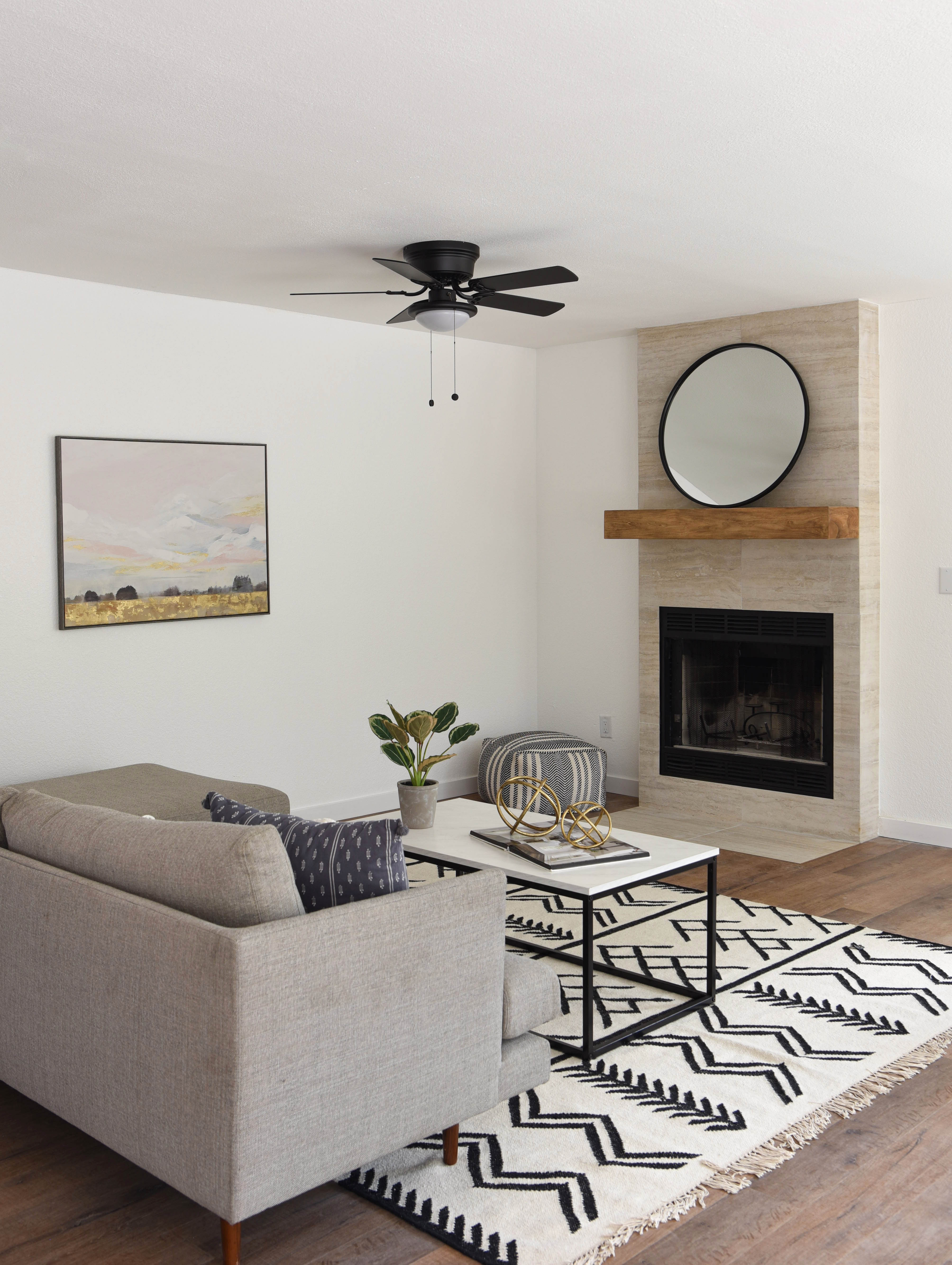
Furnishing a new room feels exciting — until you're standing in a furniture store surrounded by options and suddenly unsure about everything. What size sofa? What style of coffee table? How many chairs? Does this rug go?
Most costly furniture mistakes share a common root: buying without a plan. A piece that looks right in isolation often fails in context — wrong scale, wrong style, wrong placement. The good news is that a clear process eliminates most of these mistakes before you spend anything.
Here's how to choose furniture for a new room with confidence.
Step 1: Define the Room's Primary Function
Before you look at a single piece of furniture, answer one question: what does this room primarily need to do?
A living room for a family with kids prioritizes durability and seating capacity. A living room for a couple who entertains frequently prioritizes conversation flow and additional seating options. A living room for a remote worker needs a clear visual separation between "work" and "relax."
The room's function should drive every furniture decision. When you're not sure which piece to choose, go back to function: does this serve the way I actually use this room?
Step 2: Establish Your Floor Plan Before You Buy
This is the step most people skip — and it's the one that prevents the most expensive mistakes.
Before purchasing anything, map out where major furniture pieces will go. You need to know:
- What size sofa will fit (and how it relates to the TV wall, fireplace, or window)
- Whether a dining table for four or six is realistic in your space
- If the bed frame you want leaves enough clearance on both sides
- Where traffic paths run and what can't be blocked
Even a rough sketch with measurements is enough to catch sizing errors before they happen. For a more reliable starting point, professionally designed floor plans from athomeplans.com show complete furniture arrangements at scale — so you can see exactly what fits and what doesn't.
Step 3: Choose a Style Direction
You don't need to be able to name your style. But you do need to know roughly what you're drawn to — and, more importantly, what you're not drawn to.
A simple way to find your direction: pull 10–15 rooms you love from Pinterest or design sites. Look for patterns. Do they all have clean lines and neutral tones? Warm woods and textured fabrics? Bold color and eclectic layering?
Once you see the pattern, you have your direction. Every furniture purchase should fit within it. One piece that fights your style makes the whole room feel off.
Common style families and their furniture signals:
| Style | Key Furniture Signals |
|---|---|
| Modern/Minimalist | Low profiles, clean lines, no ornamentation, neutral palette |
| Scandinavian | Light wood, simple forms, functional design, cozy textiles |
| Mid-Century Modern | Tapered legs, organic forms, warm wood tones, graphic patterns |
| Traditional | Curved silhouettes, rich fabrics, symmetrical arrangements |
| Industrial | Metal frames, reclaimed wood, exposed hardware, dark tones |
| Japandi | Minimal, natural materials, muted palette, zen simplicity |
Step 4: Get the Scale Right
Scale is the most common furniture mistake — and the hardest one to undo after purchase.
Signs of scale problems:
- A sofa that crowds a small room (too large) or floats awkwardly in a large room (too small)
- A coffee table that you can barely reach from the sofa, or that's so large it restricts movement
- A dining table that seats 8 in a room that comfortably fits 4
- A bed that leaves less than 24 inches of clearance on either side
How to get scale right:
- Always measure your room and tape out furniture footprints on the floor before buying
- Use the floor plan you created in Step 2 as your size reference
- When in doubt, size down for sofas and size up for rugs
Furniture sizing quick guide:
| Room | Guideline |
|---|---|
| Living room sofa | Should leave 36" of walking clearance on at least one side |
| Coffee table | 2/3 the length of the sofa; 18" from sofa edge |
| Dining table | Allow 36" clearance behind chairs when pulled out |
| Bedroom rug | 8×10 minimum under a queen; extend 18–24" beyond the bed |
| Nightstands | Roughly level with the top of the mattress |
Step 5: Prioritize Investment Pieces
Not all furniture deserves the same budget. Spend more on pieces you'll use every day and that are hardest to replace: sofa, bed frame, mattress, dining table. These are items where quality directly affects comfort and longevity.
Spend less on trend-driven pieces and accent items — throw pillows, side tables, decorative objects. These are easy to refresh without affecting the whole room.
The investment hierarchy:
- Sofa — used daily, visible from everywhere, sets the room's tone
- Bed + mattress — you sleep on it every night; comfort matters
- Dining table — the center of family/social life
- Storage — dressers, sideboards, bookshelves
- Accent chairs, side tables, lighting — lower stakes, easier to change
Step 6: Think in Sets, Not Singles
Every furniture purchase affects the pieces around it. A sofa purchase is also a rug decision, a coffee table decision, and potentially a curtain decision. When you buy pieces in isolation without thinking about their neighbors, rooms end up feeling mismatched.
Before buying any major piece, mentally place it next to what you already have (or plan to buy). Do they share enough common ground — similar finish tones, complementary silhouettes, compatible scales?
Step 7: Leave Room for the Room to Breathe
One of the most common over-furnished room problems: too much furniture. In an attempt to fill a room, people add pieces until there's nowhere comfortable to stand, sit, or look without visual noise.
Better to have three pieces that work well together than six pieces fighting for attention. Negative space — wall space, floor space, visual breathing room — is a design element, not a failure of decorating.
Make Furniture Shopping Easier
The fastest way to simplify every furniture decision is to start with a complete floor plan. When you know exactly what size sofa you need, where it goes, and what style it should be, shopping becomes a checklist rather than a guessing game.
Pre-made room plans from athomeplans.com give you that complete picture — tested furniture arrangements you can use as a shopping blueprint. See exactly what size, style, and placement works for your room type before you buy a thing.
Take the guesswork out of furnishing. Explore room plans at athomeplans.com — complete, professional layouts for every room type and budget.


