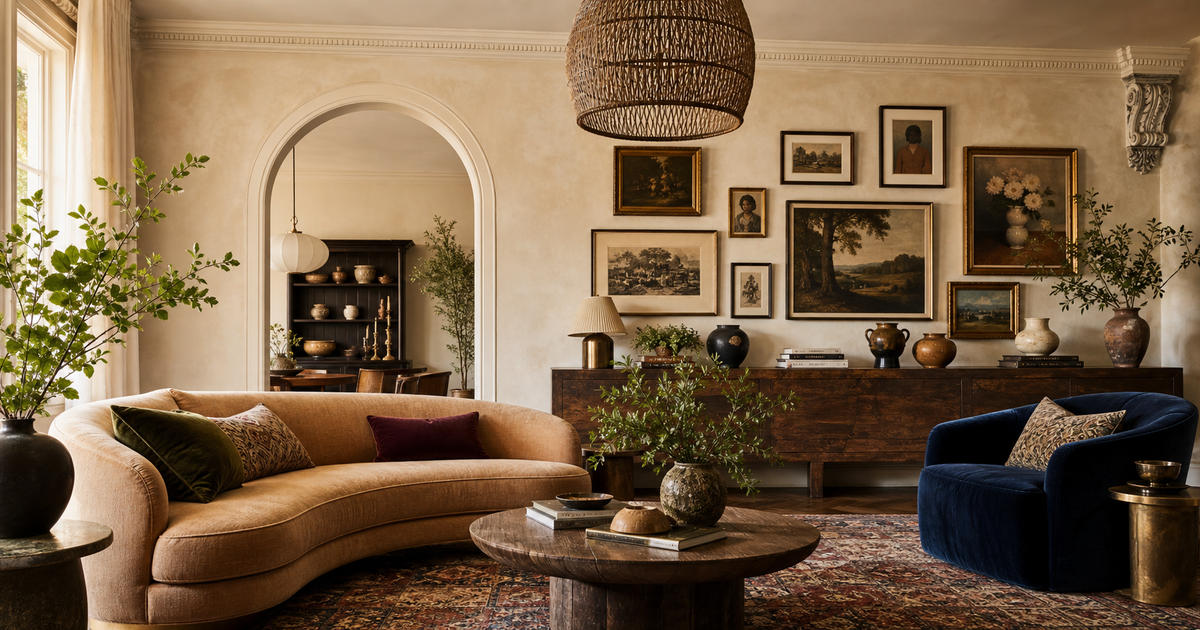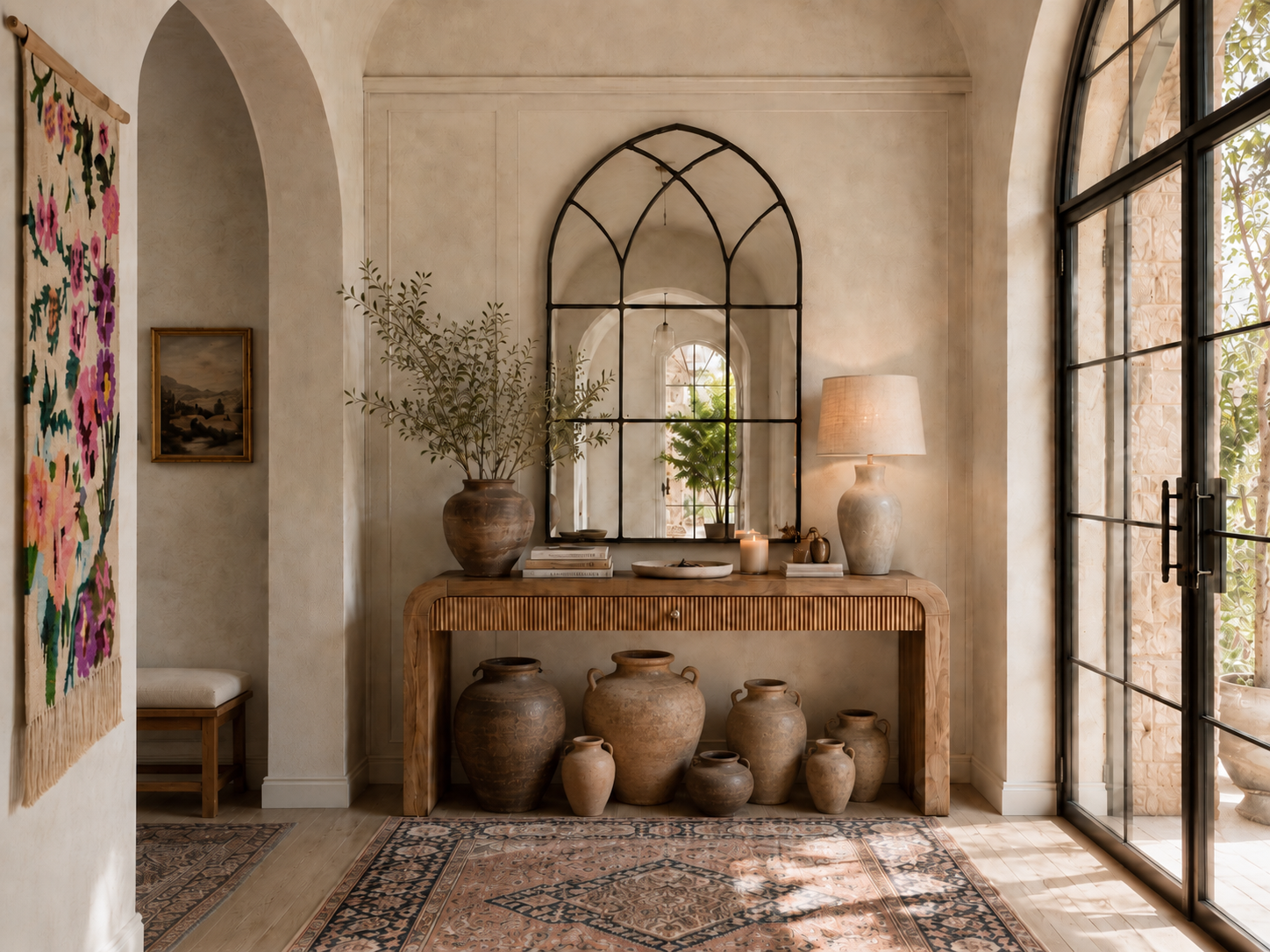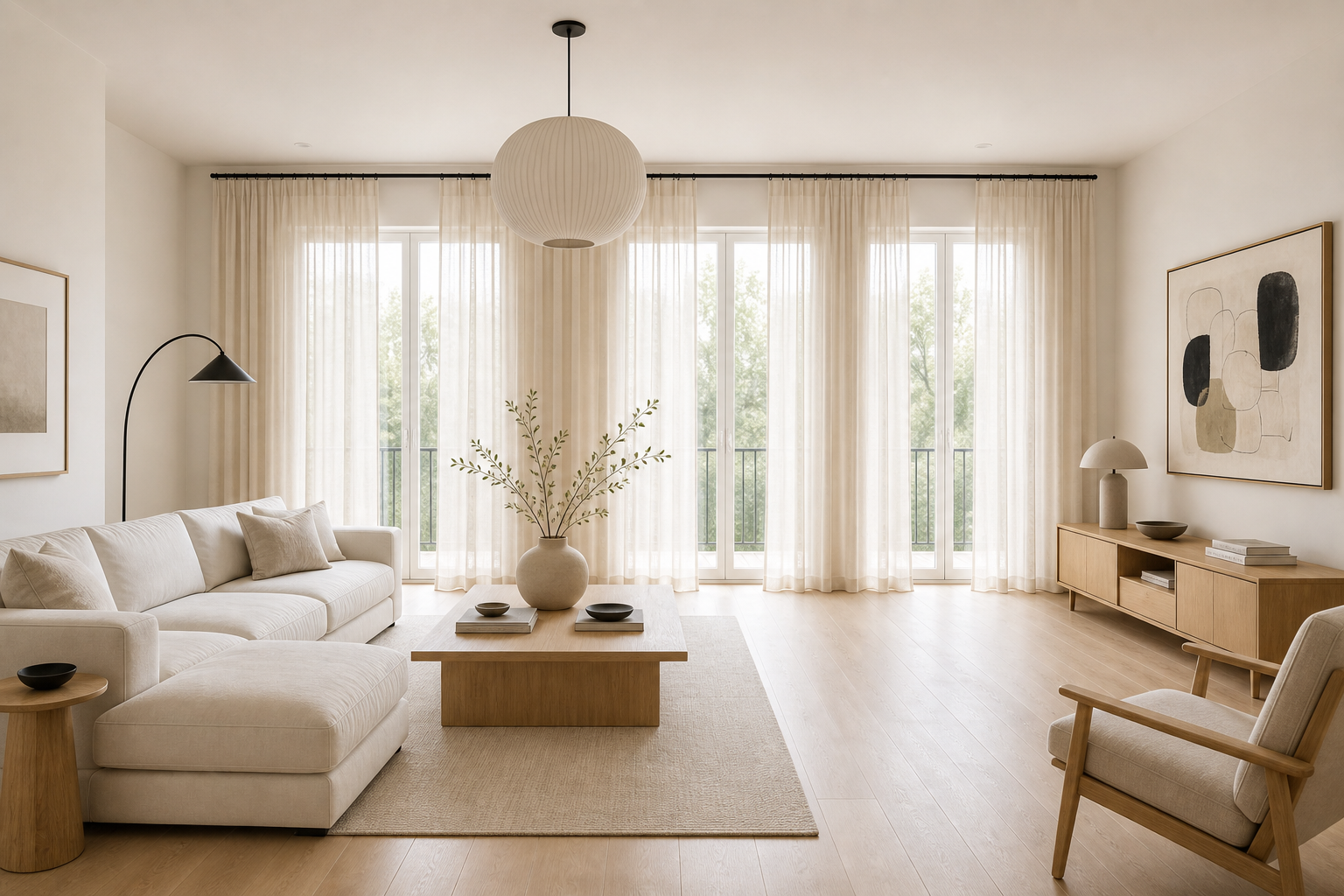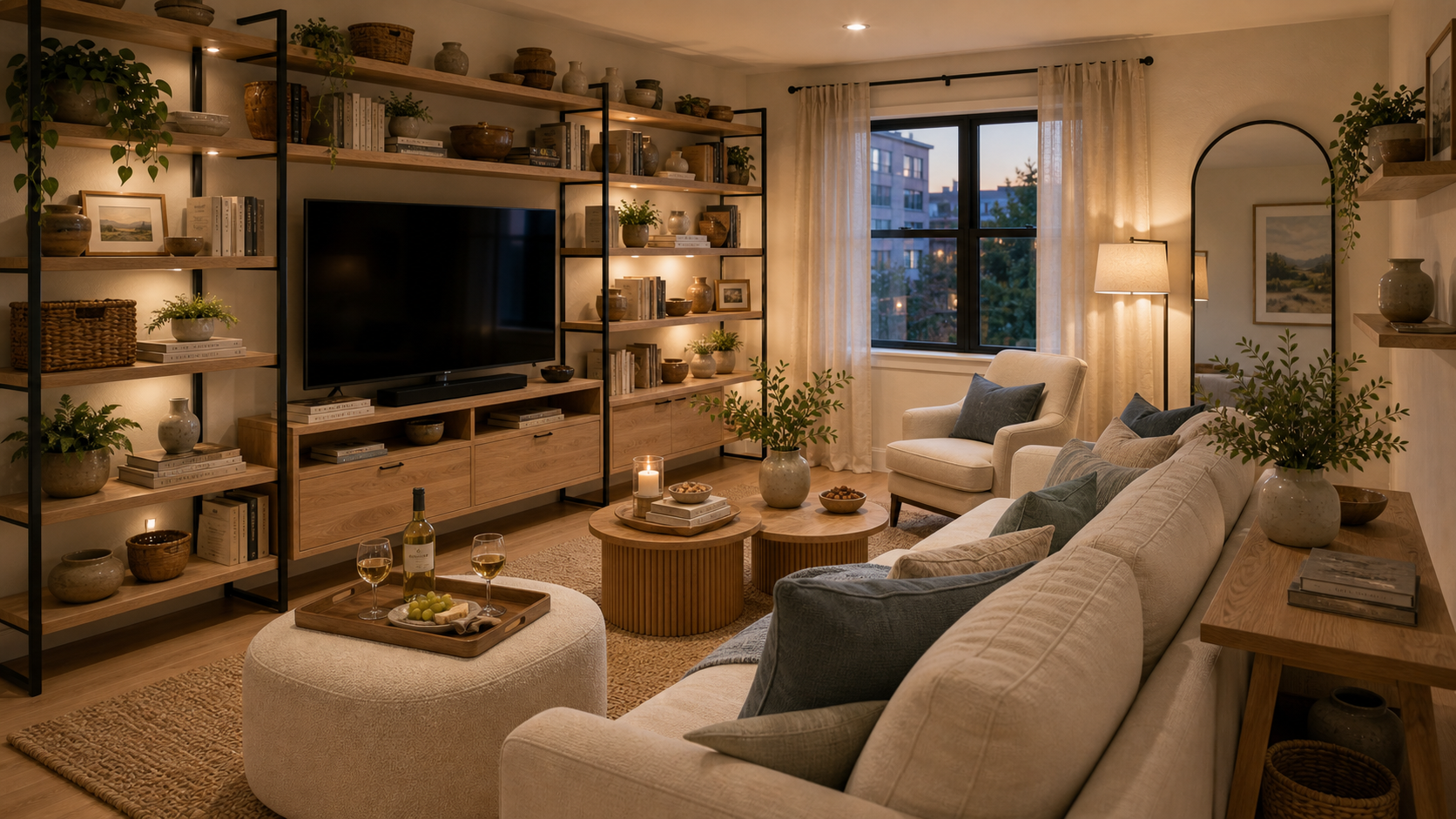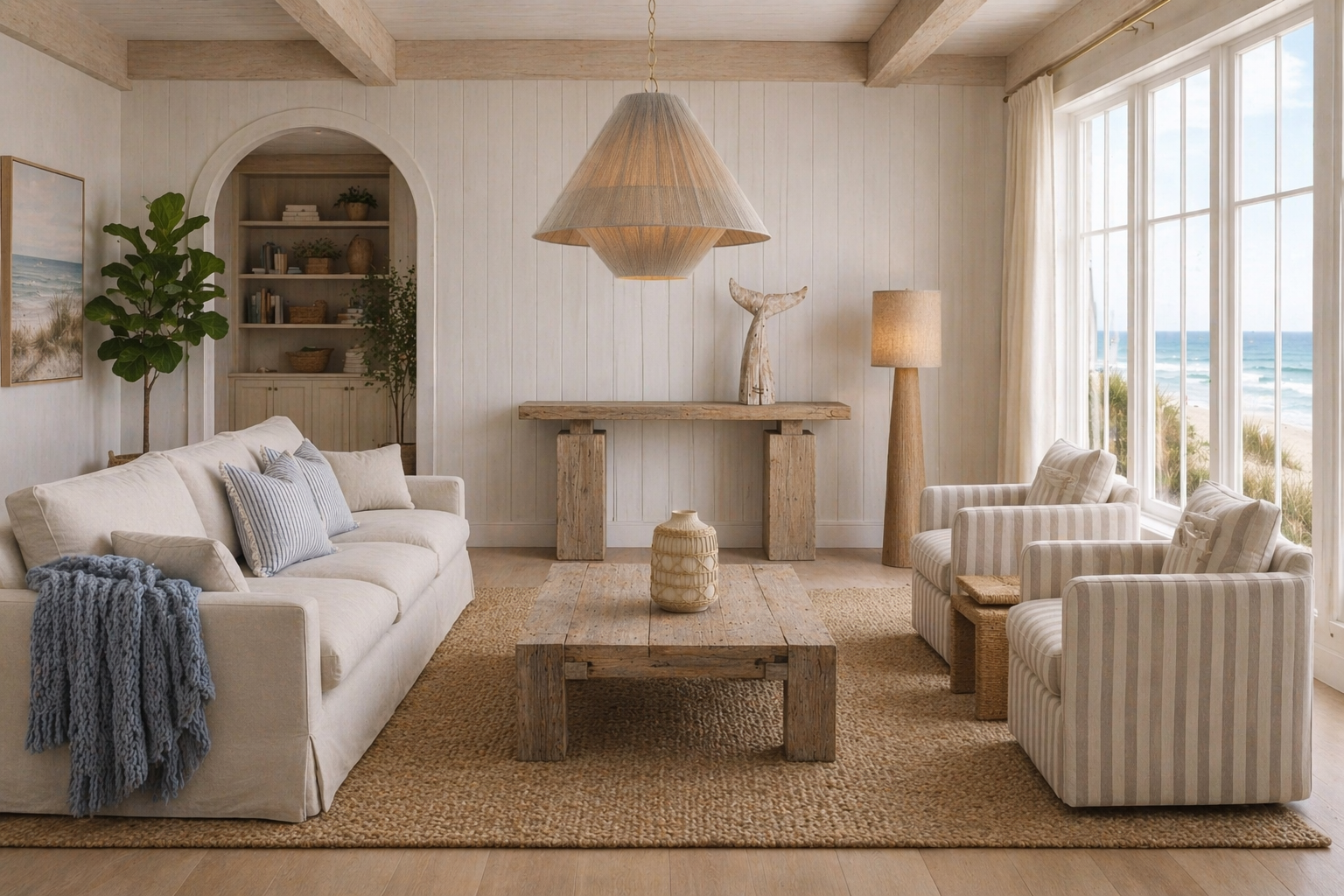
You have a velvet armchair you love. A mid-century credenza you scored at an estate sale. A modern geometric rug that finally arrived after six weeks of waiting. And a gallery wall you've been building piece by piece for three years.
The question isn't whether they go together — it's how to help them speak the same language.
Here's the truth that every seasoned interior designer knows: they probably do. And if they don't yet, a few intentional choices will make them feel like they were always meant to share a room.
Eclectic interior design isn't about chaos — it's about confidence. According to Homestyler's analysis of 18 million real-home projects, the era of a single dominant style is over. People aren't asking "what style is my home?" anymore — they're asking "how does my home reflect who I actually am?" And the answer, more often than not, is: a mix.
It's one of the most personal, livable, and increasingly celebrated approaches to decorating. And once you understand a few guiding principles, you'll stop second-guessing your instincts and start trusting them.
What Is Eclectic Interior Design?
Eclectic design means drawing from multiple styles, eras, and influences to create a space that feels uniquely yours. Think Scandinavian minimalism meeting Moroccan warmth. A Victorian settee next to a clean-lined IKEA shelf. Art Deco light fixtures over a farmhouse dining table.
Done well, eclectic decorating doesn't look random — it looks considered. Designers like Amber Lewis (@amberinteriors) built entire careers on this principle: pairing vintage finds with modern pieces in ways that feel relaxed and alive, never forced. Jonathan Adler (@jonathanadler) makes it playful and sophisticated. Amber Lewis makes it feel like home.
The difference between "eclectic" and "chaotic" comes down to intention. When every piece earns its place through color, texture, or scale, the room reads as a coherent whole. Without that thread, even beautiful pieces can feel adrift.
The 60-30-10 Color Rule
The single most powerful tool for mixing decor styles is a deliberate color palette — and the 60-30-10 rule is how designers keep eclectic rooms feeling purposeful rather than scattered.
The framework works like this:
- 60% dominant color — your walls, large furniture, and flooring. This is the visual anchor.
- 30% secondary color — sofas, curtains, accent furniture. This creates depth and interest.
- 10% accent color — pillows, art, small decor. This is where personality lives.
For a typical eclectic living room, you might choose warm white as your 60%, dusty sage as your 30%, and terracotta or deep teal as your 10%. Every piece you bring in — regardless of its style origin — finds its place by relating to those three colors. If it fits, it belongs.
This doesn't mean everything must match. It means everything should relate.
Start with a Neutral Base
When mixing furniture styles, a neutral foundation gives every piece room to breathe. Walls in warm white, greige, or soft linen create a backdrop that makes almost any combination of styles feel intentional rather than accidental.
Your largest pieces of furniture — sofa, bed frame, dining table — tend to work best in neutrals. The bold colors and distinctive silhouettes shine brightest in secondary and accent layers. A cream linen sofa is a blank canvas; a jewel-toned velvet sofa is a statement that carries the whole room and asks everything else to respond.
This isn't about playing it safe — it's about giving your eclectic pieces the space to become the story. A rich antique cabinet against a neutral wall becomes art. The same cabinet competing with a patterned wallpaper becomes noise.
Mixing Old and New
The most interesting rooms have depth — and depth comes from mixing pieces across time. A smooth contemporary console table feels more alive with an ornate vintage mirror above it. A sleek modern sofa gets soul when paired with a worn leather trunk as a coffee table.
Some pairings that work beautifully across styles:
- Industrial + Organic: Raw metal pipes alongside live-edge wood and woven baskets
- Modern + Antique: Clean geometric lines next to carved wood or brass detail
- Minimal + Maximalist: One loud statement piece in an otherwise restrained room
- High + Low: A fine art print in a budget frame; a designer lamp on a vintage side table
The key is balance. For every piece that carries weight and history, give it a quiet counterpart. Let contrast do the visual work.
Cohesion Through Material and Texture
When color isn't the unifying thread, material is. Repeating a material — natural wood, brushed brass, linen, rattan — across different-styled pieces creates invisible harmony.
One way to check your room's material story: walk through and notice which materials appear. If you see wood, metal, and textile, look for each to show up in at least two or three places. A rattan side table echoed by a rattan pendant lamp. A brushed brass lamp base answered by the brass knob on a vintage cabinet. A linen throw on the sofa that relates to the linen lampshade.
Texture also prevents a room from feeling flat. Layer smooth with rough, matte with sheen, structured with soft. A velvet armchair next to a raw wood table is more interesting than two upholstered chairs — even if the chairs technically "match."
Pattern Mixing 101
Pattern mixing sounds risky, but the principles are as learnable as color theory.
Scale is the key. A large-scale floral can live peacefully alongside a small-scale geometric because they occupy different visual frequencies. When two patterns compete at the same scale, they clash.
Limit your palette, not your patterns. If your floral pillow and your geometric rug share the same three colors, they're in conversation — not conflict.
A solid piece plays mediator. Between two busy patterns, a solid-colored piece gives the eye a place to rest — a plain throw pillow between a patterned cushion and a patterned blanket, for example.
Let one patterned anchor piece — usually the rug — set the rhythm, then build outward from it. The rug establishes the key; everything else plays along.
Shop the Look
Everything below is curated specifically for an eclectic living room that blends jewel tones, natural textures, and mixed metals. All prices in USD; links go to US retailers with affiliate programs.
Vintage-Inspired Velvet Armchair
Make it the jewel-tone statement your room needs. The Christopher Knight Home Marcia Velvet Club Chair ($230–$280, Amazon) delivers channel-stitched emerald velvet on dark birch legs — genuine glam without the designer price. For a more barrel-shaped silhouette with gold legs, the Apeaka Velvet Accent Barrel Chair ($200–$260, Amazon) reads modern-luxe from every angle.
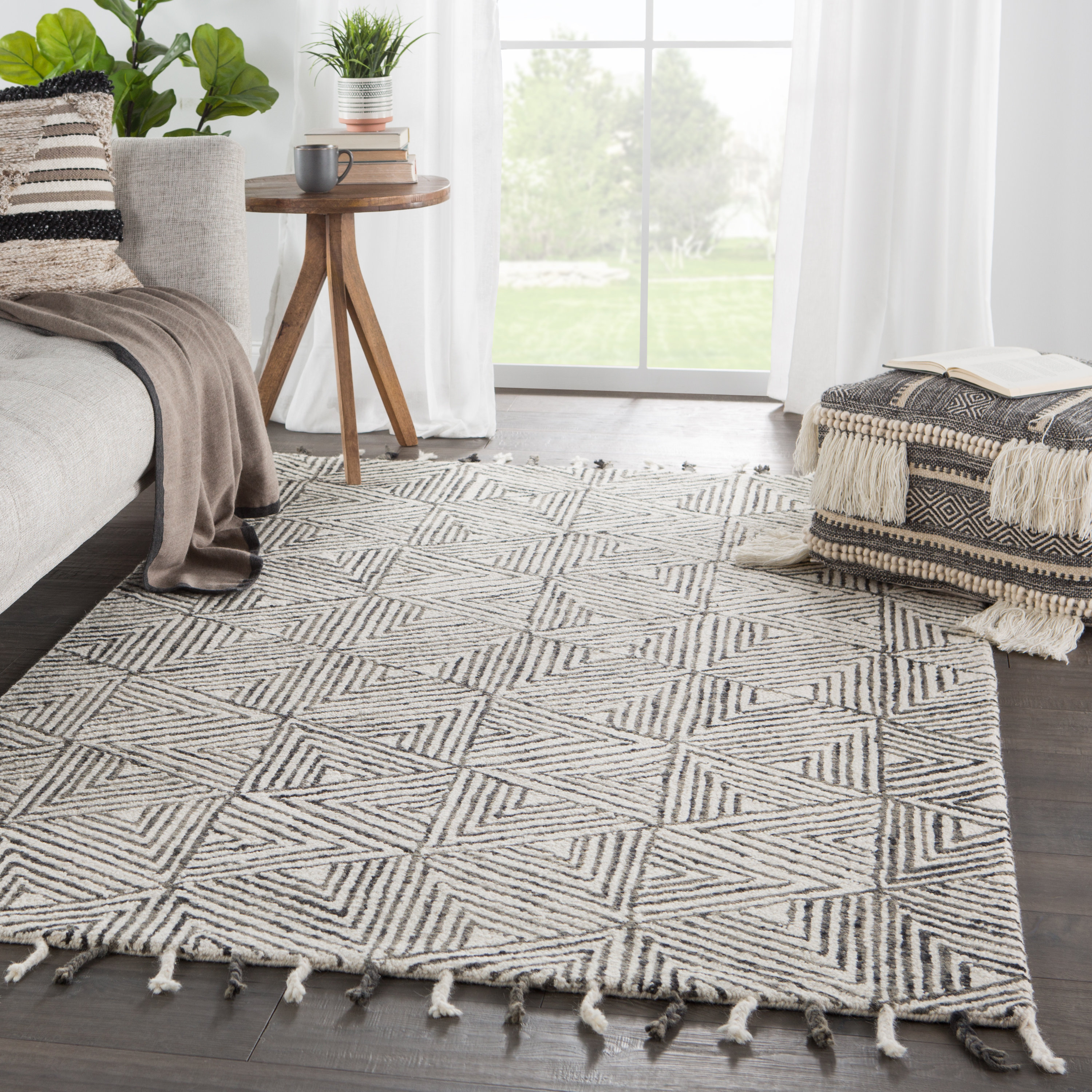
Modern Geometric Wool Rug
The rug anchors everything. Wayfair's geometric wool collection ($260–$630+) includes hand-tufted 100% wool options in teal, mustard, and neutral palettes — the kind of pattern that grounds a mixed-style room without shouting. West Elm's wool geometric rugs ($300–$800+) are a slightly higher investment with cleaner contemporary lines if you want the rug to recede rather than lead.
Arch Mirror with Gold Frame
An arch mirror above a console or credenza is the fastest way to give a room an editorial moment. Wayfair's arch and crowned gold mirror collection ($50–$300+) spans slim vertical styles to full-length statement pieces. Budget-friendly alternatives with the same silhouette are available on Amazon from $40–$150.
Layered Throw Blankets
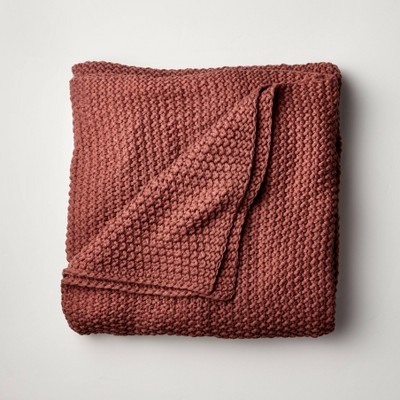
Layering is the move. Start with the Casaluna Chunky Knit Bed Blanket ($70, Target) — OEKO-TEX certified, available in Dark Teal, Dark Fig, Natural, and more, with 4,100+ reviews. Layer it over the Boho Woven Cotton Throw ($25–$35, Amazon), a 4-layer reversible jacquard cotton that adds structure and warmth beneath the chunky knit.
Mixed-Metal Accent Pieces
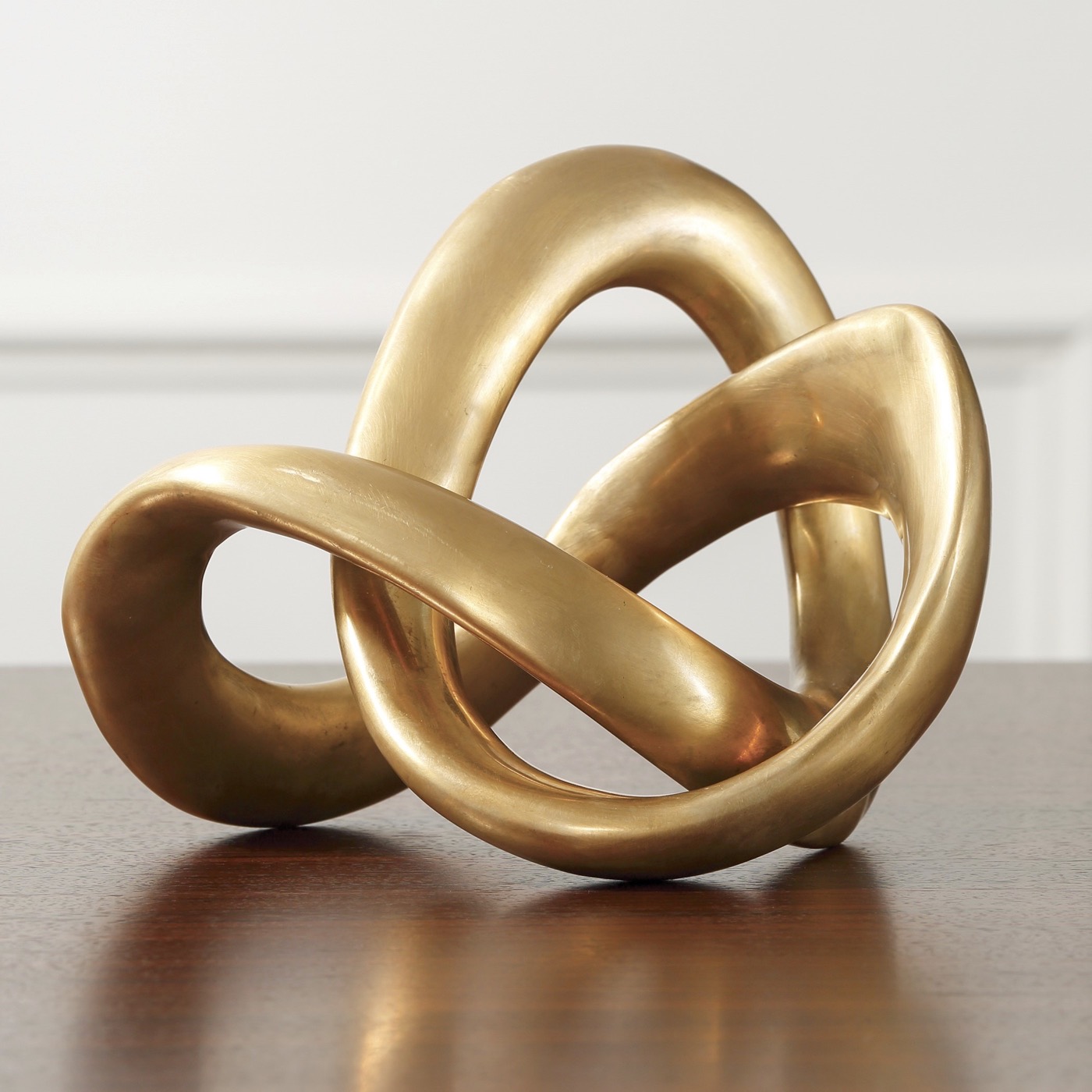
Brass and matte black is the combination that makes a room feel curated rather than themed. Mix Wayfair's two-tone sculptural accents ($30–$120+) — matte black exterior with gold interior — with smaller pieces from Target's brass home decor collection ($10–$60): candleholders, trays, and accent objects that echo the metal without overwhelming it.
Gallery Wall Frames
For a gallery wall that looks intentional, start with a coordinated set, then add individual pieces over time. The Kate and Laurel 10-Piece Gallery Frame Set ($70–$90, Amazon) mixes styles in gold, white, and black within one family. For a quieter anchor, the Gallery Perfect 9-Piece Greywood Set ($40–$55, Amazon) keeps the palette neutral so the art — not the frames — leads.
Rattan Side Table
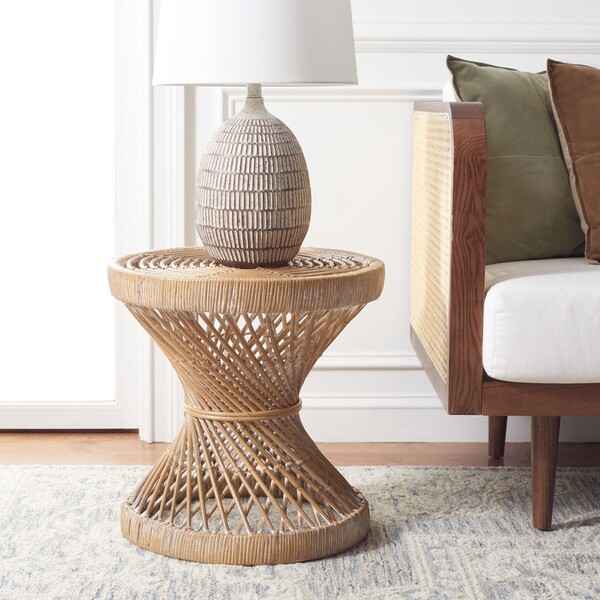
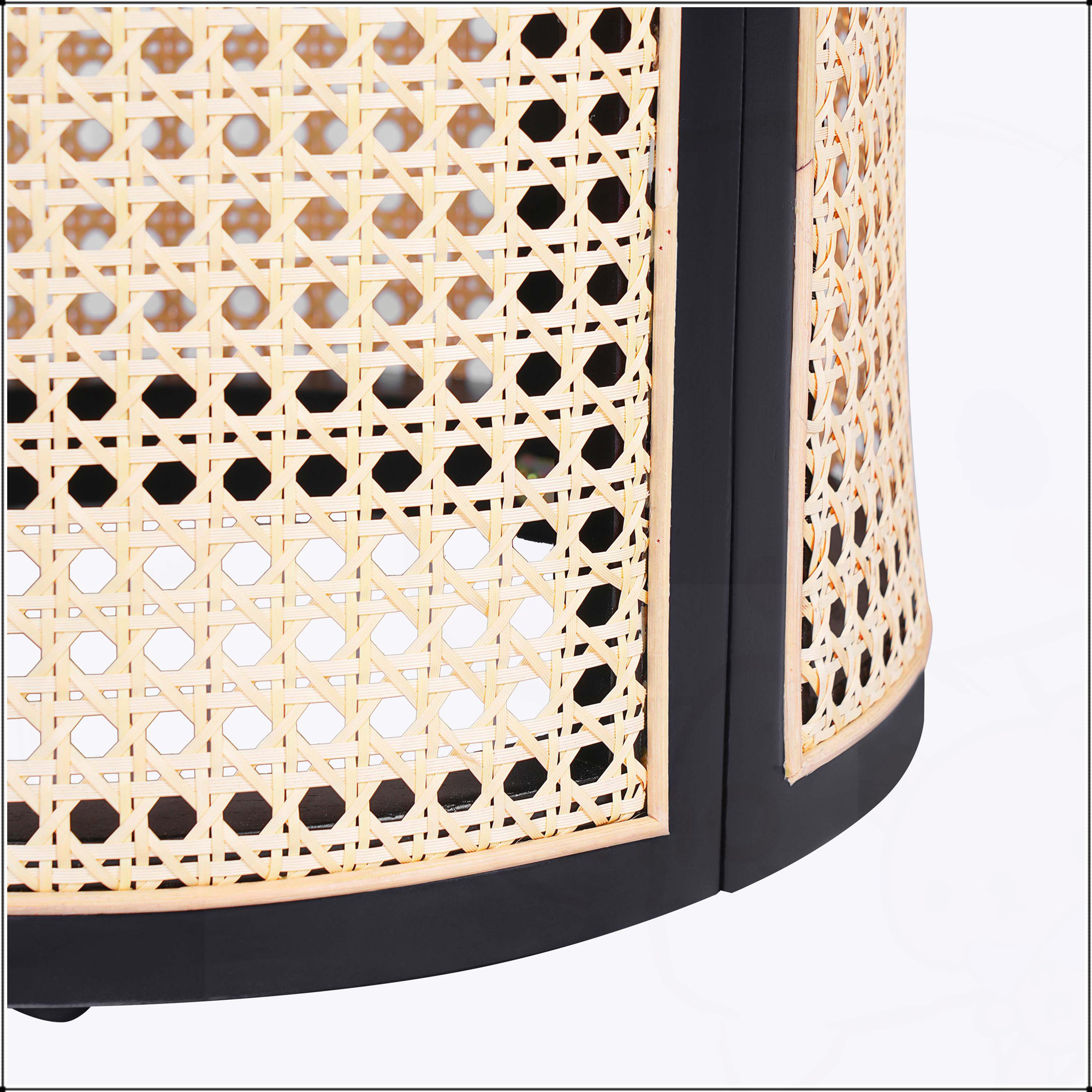
Rattan is the material that moves between styles effortlessly. The SAFAVIEH Couture Tyleigh Natural Rattan Accent Table ($150–$250, Amazon) has a sculptural open-frame design and arrives fully assembled. For a smaller-footprint option, the Hennhari Hollow Woven Rattan Side Table ($40–$70, Amazon) delivers the same organic texture at a fraction of the price.
Abstract Art Print
Art bridges the old and new in any eclectic room. The Mid-Century Modern Abstract Wall Art Set ($15–$20, Amazon) — 9 unframed prints, 5x7 — is ideal for populating a gallery wall in earthy boho tones. For something already framed and ready to hang, the SAFERRYHOME Boho Abstract Wall Art ($40–$60, Amazon) is a 3-piece canvas set in neutral beige and black with clean geometric line work.
Ceramic Table Lamp with Linen Shade
A ceramic lamp with a linen shade belongs in every eclectic room — it works with everything. The Crestview Collection Ceramic Table Lamp Set of 2 ($80–$120 for a pair, Amazon) is cream ceramic with a white linen shade, warm and neutral. For a more dramatic contrast, the Hauteloom Brennberg Round Ceramic Table Lamp ($45–$65, Amazon) pairs a black ceramic base with a beige linen shade.
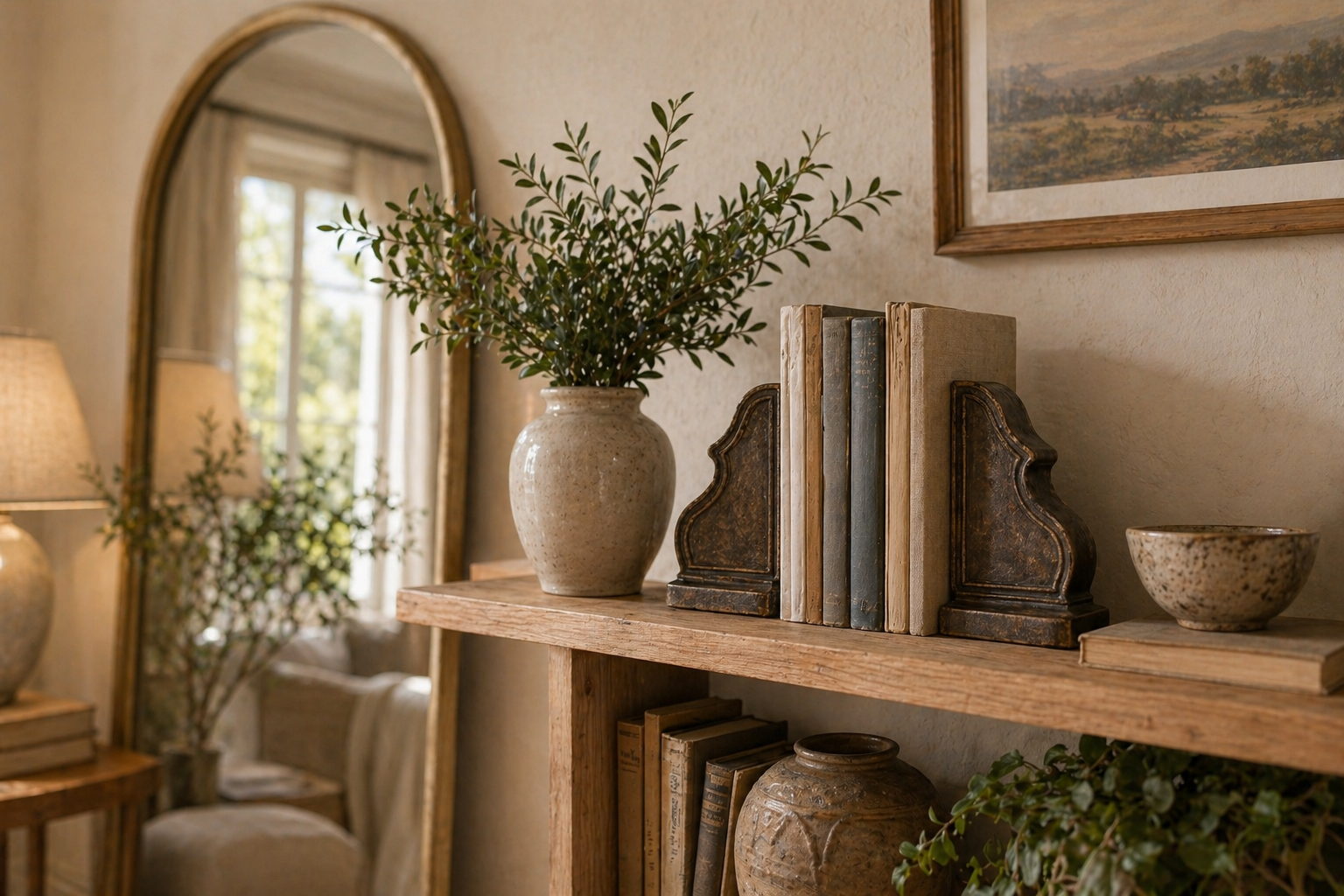
Antique-Look Bookends
Bookends do quiet but real work in a room — they add weight, history, and finish. The CRAFTSMAN ROAD Tree of Life Bookends ($25–$40, Amazon) are antique brass cast iron with a non-skid base — classic and substantial. For a slightly lighter option, the Resin Bronze Vintage Bookends ($20–$35, Amazon) carry the same antique-art finish at a lower price point.
When You're Ready to Go Further
Your instincts have already taken you somewhere worth building on. If you're working with a large space, navigating a challenging floor plan, or simply ready to see the whole room come together at once — a custom design plan is where it all clicks.
Rather than experimenting piece by piece over years, a design consultation helps you find your palette, furniture placement, and material story in one clear vision. Whether you want a full floor plan or a focused furniture edit, you'll leave with confidence — and a home that feels like it was always meant to be yours.
Revised May 2026. All product links and price ranges verified at time of original publication (April 2026); prices subject to change.



.jpg)