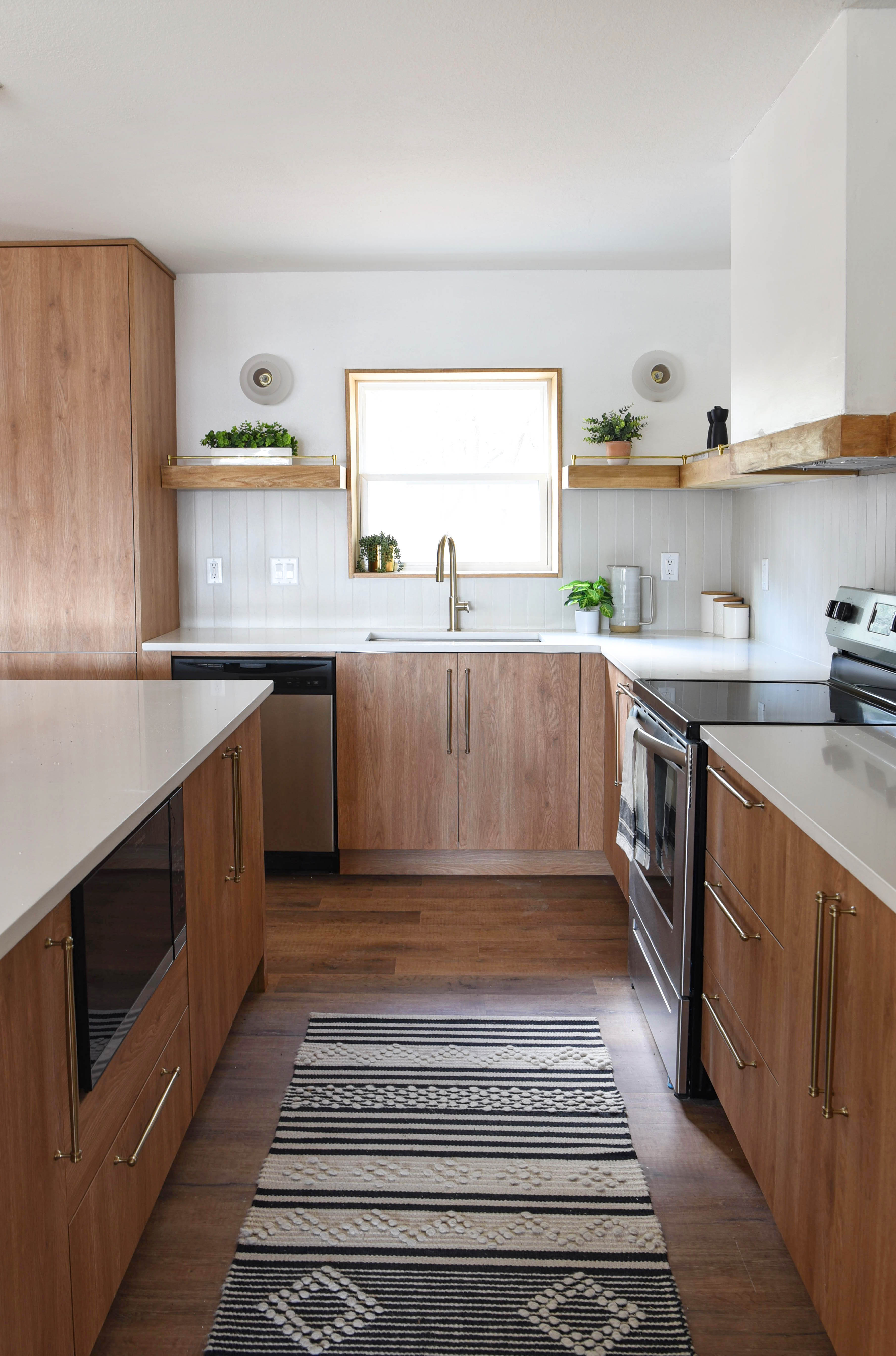
Open concept layouts have dominated home design for the past two decades — and for good reason. When living, dining, and kitchen spaces flow into each other without walls, the result feels larger, brighter, and more connected. But open concept spaces also come with a unique design challenge: how do you make one big room feel like multiple purposeful spaces?
The answer is a smart floor plan.
Here's everything you need to know about open concept living room floor plans — what works, what doesn't, and how to find the right layout for your space.
Why Open Concept Works (and When It Doesn't)
Why it works:
- Natural light travels further without walls to block it
- Hosts can interact with guests from the kitchen
- Small homes feel dramatically larger
- Sight lines create a sense of flow and openness
When it gets tricky:
- Without defined zones, the space can feel like one giant, purposeless room
- Noise travels — a TV in the living zone competes with conversation in the dining zone
- Storage is harder without walls to work with
- Every style choice is visible from everywhere, so cohesion matters more
The solution to most open concept challenges is the same: zone definition through furniture and layout, not walls.
The Three Zones in an Open Concept Floor Plan
Most open concept living areas combine three zones:
- Living zone — sofa, coffee table, TV or focal point
- Dining zone — table and chairs
- Kitchen — typically fixed and not rearrangeable
Your floor plan governs how these zones relate to each other. The best plans make each zone feel intentional and distinct while maintaining the visual openness that makes open concept desirable in the first place.
Open Concept Floor Plan #1: The Classic L-Shape
Best for: Rectangular open plan spaces 400–600 sq ft
How it works: The sofa creates an "L" with the wall or a low media console. The dining table sits at the top of the "L," adjacent to the kitchen. The living zone faces the TV wall or a fireplace. A single large rug (9×12 or 10×14) anchors the living zone, visually separating it from the dining zone without a wall.
Key to success: The sofa back faces the dining area — this creates a natural, low barrier between zones. Guests in the dining zone are facing the kitchen; guests in the living zone are facing the focal point. Both feel like distinct rooms.
Open Concept Floor Plan #2: The Symmetrical Conversation Layout
Best for: Square or wide open plan spaces; rooms without a dominant TV wall
How it works: Two sofas face each other across a large coffee table, positioned perpendicular to the dining area. The dining table is set apart by a pendant light overhead — vertical elements define zones just as effectively as horizontal furniture.
This layout works especially well when the living space is used primarily for conversation and entertaining rather than TV-watching.
Key to success: Use a statement pendant or chandelier over the dining table. The light fixture signals "dining zone" from across the room, providing visual separation without any physical barrier.
Open Concept Floor Plan #3: The Open Plan with Room Divider
Best for: Very large open plan spaces (700+ sq ft combined) where the zones risk feeling disconnected
How it works: A low bookshelf, slatted divider, or row of indoor plants creates a soft boundary between living and dining without blocking sightlines or light. The furniture arrangements within each zone are conventional; the divider does the zoning work.
Key to success: Keep the divider under 5 feet tall to preserve the open feel. Anything taller starts to feel like a partial wall.
Open Concept Floor Plan #4: The Studio-Style Single Zone
Best for: Smaller open plan spaces (under 400 sq ft combined) or minimalist aesthetics
How it works: Rather than defining hard zones, this approach treats the entire space as one fluid room. The sofa floats in the center, the dining table is compact and positioned close to the kitchen, and there's no visual separation between areas. It's bold and works best with a very edited, cohesive furniture selection.
Key to success: Every piece must work with every other piece — there's no visual rest or separation to absorb inconsistencies. Choose a tight, unified palette and stick to it.
Open Concept Layout Rules That Always Apply
Anchor each zone with a rug. This is the single most important rule in open concept planning. A rug under the living zone and a different rug (or bare floor) under the dining zone signals two different areas instantly.
Don't push all furniture to the walls. This is tempting in open spaces, but it creates a barren, undefined room. Float furniture into the space to define zones and create intimacy.
Scale up. Open spaces can absorb larger furniture. A sofa that feels big in a separate living room often looks appropriate in an open plan — and undersized pieces look lost.
Use lighting to define zones. A chandelier or pendant over the dining table, recessed lighting over the kitchen, and floor lamps in the living zone each signal "this is a different place."
Maintain a consistent palette. With the whole space visible at once, a coherent color story is essential. Three to four colors maximum, with clear dominant, secondary, and accent relationships.
Common Open Concept Mistakes
- Two rugs that compete: If you use rugs in both the living and dining zones, they should be clearly different or clearly related — not similar but not matching.
- TV on the wrong wall: In an open plan, the TV wall affects the entire space. Consider whether it makes more sense to position the TV as a focal point or to de-emphasize it.
- Dining table too close to the sofa: Allow at least 48 inches between the back of your sofa and the nearest dining chair.
- No vertical interest: In a room with no walls to hang art, floor-to-ceiling bookshelves, statement pendant lights, and tall plants do the heavy lifting.
Find Your Open Concept Floor Plan
The right open concept layout depends on your room's proportions, how you use the space, and what style you want to achieve. Pre-made open concept floor plans from athomeplans.com offer tested, professionally designed layouts you can adapt to your exact dimensions — organized by space size and style.
Skip the guesswork. Start with a plan that already works.
Explore open concept and living room floor plans at athomeplans.com — professionally designed for real homes.


