If you've been drawn to rooms that feel simultaneously calm and lived-in, minimal but warm, spare yet somehow cozy — you've been drawn to Japandi. This design philosophy, a fusion of Japanese wabi-sabi and Scandinavian hygge, has become one of the defining aesthetics of the 2020s. And unlike many design trends, Japandi is built on principles rather than specific products — which means it's achievable at almost any budget.
Here's what Japandi actually is, and how to bring it into your home.
What Is Japandi Design?
Japandi emerged from the historical connection between Japan and Scandinavia — two cultures that developed strikingly similar design philosophies, despite being geographically distant, over centuries of craft and living tradition.
Japanese wabi-sabi is the aesthetic of imperfection — finding beauty in the worn, the weathered, the incomplete. A cracked ceramic bowl repaired with gold lacquer. Moss on a stone path. A linen cloth with visible texture.
Scandinavian hygge is the philosophy of coziness and comfort — a home that feels warm and welcoming, designed around the people who live in it. Simple forms, natural materials, soft light.
Combined, Japandi produces spaces that are:
- Minimal without being cold
- Natural without being rustic
- Spare without being austere
- Functional without being clinical
The Core Principles of Japandi
1. Restraint Over Abundance
Japandi spaces have fewer things, and the things they have are chosen carefully. This isn't minimalism for minimalism's sake — it's the idea that every object in a space should contribute something: beauty, function, or meaning.
Before adding anything to a Japandi space, ask: does this serve a purpose or bring genuine pleasure? If the answer is no, it doesn't belong.
2. Natural Materials
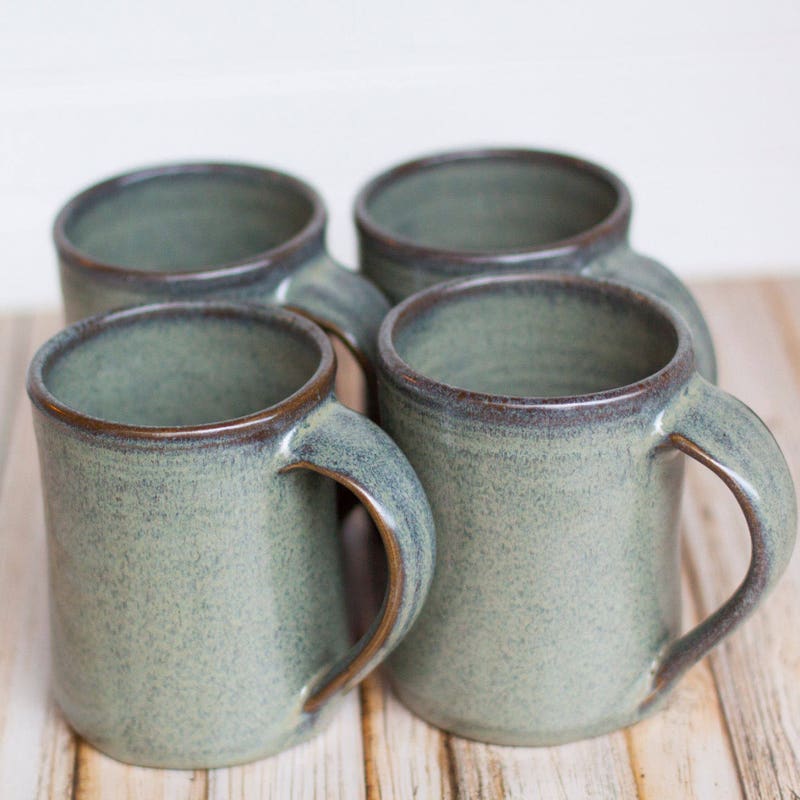
Japandi is defined by natural materials: solid wood (especially lighter Scandinavian tones and darker Japanese woods), natural stone, linen, cotton, wool, rattan, bamboo, and ceramic. Synthetic materials are either absent or carefully hidden.
The textures of natural materials — the grain of wood, the weave of linen, the roughness of ceramic — do the decorative work that ornament does in other styles.
3. A Muted, Earth-Rooted Palette
Japandi color palettes draw from nature: warm whites, soft greys, warm beiges, muted greens and sage, earthy terracotta, warm black. There are no bright colors, no stark whites, no cool greys. Even the neutrals have warmth.
The Japandi color formula: One warm neutral as the dominant color (walls and large upholstery) + natural wood tones + one muted accent color (sage, terracotta, dusty rose, or warm black).
4. Low, Grounded Furniture
Both Japanese and Scandinavian furniture traditions favor lower profiles — furniture that sits closer to the ground, creating a sense of stability and calm. Platform beds, low sofas, floor cushions (zaisu), and coffee tables at 12–16 inches high all contribute to this grounded feeling.
Visually, lower furniture also makes ceilings feel higher and rooms feel more spacious.
5. Functional Objects as Decoration
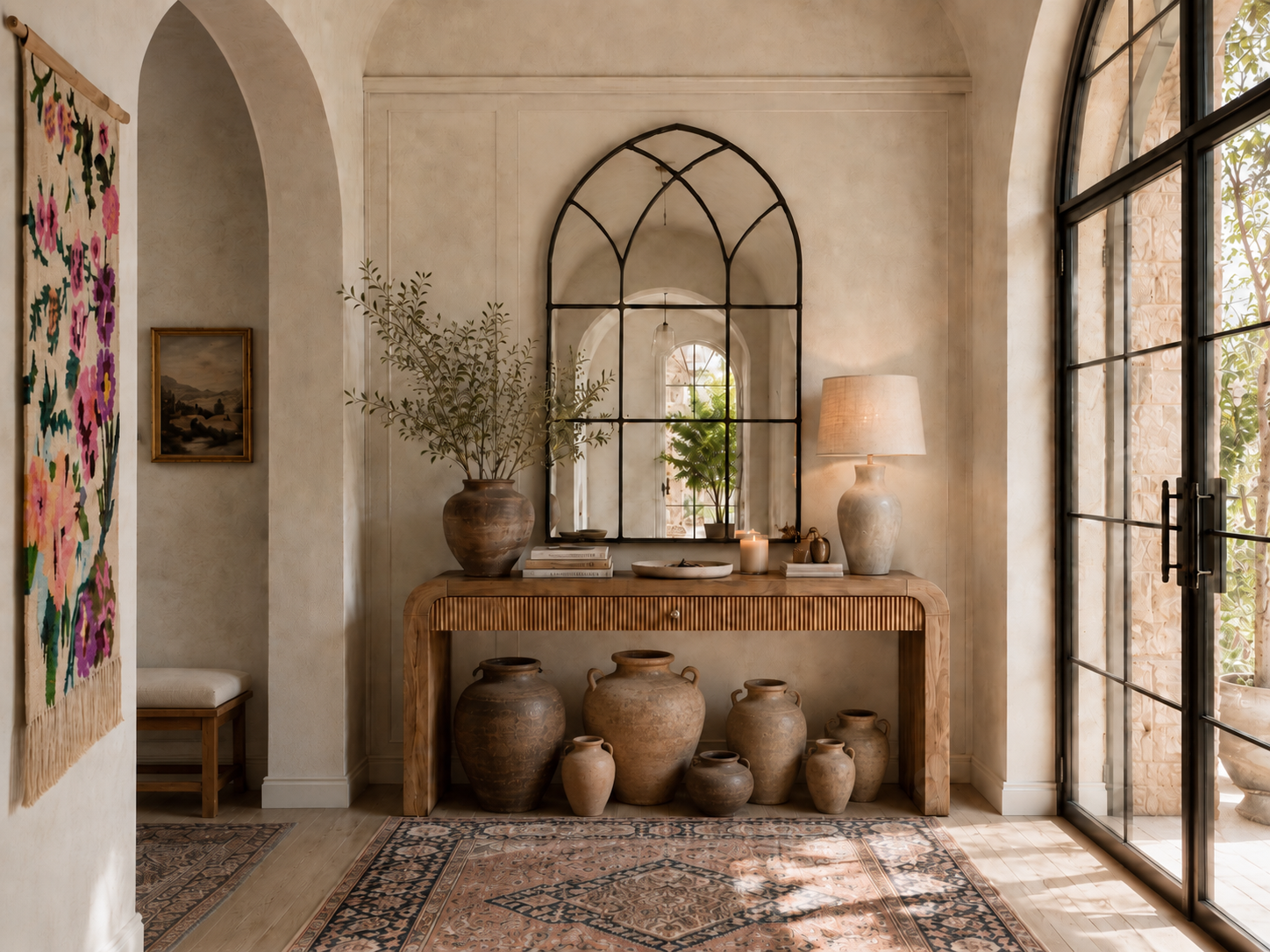
In Japandi, a beautiful wooden bowl on a kitchen counter is decoration. A stack of three well-chosen books on a coffee table is decoration. A ceramic vase holding a single dried stem is decoration. Objects are on display because they are used or because they are genuinely beautiful — not because there's an expectation that surfaces should be filled.
How to Achieve Japandi in Each Room
Living Room
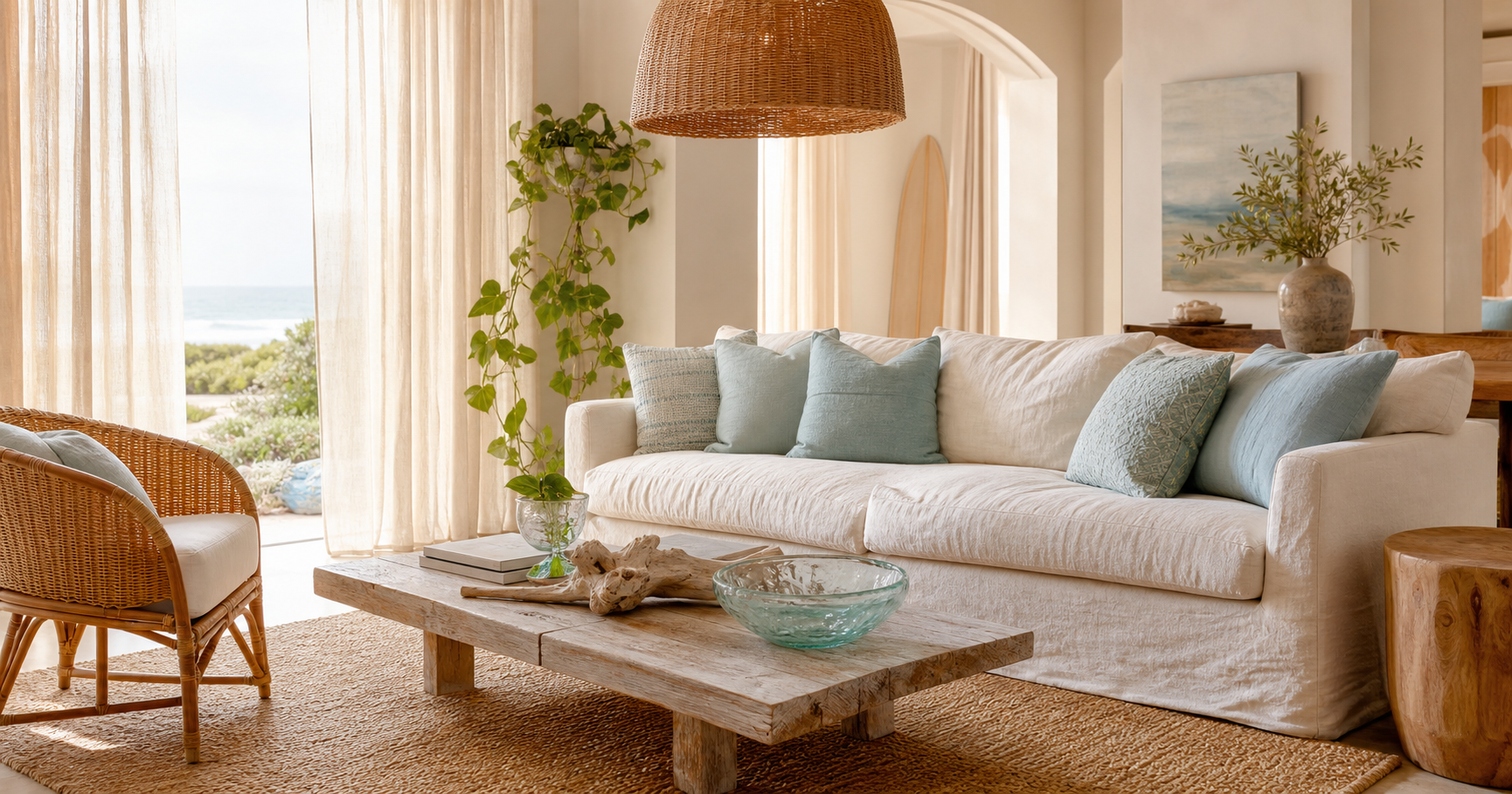
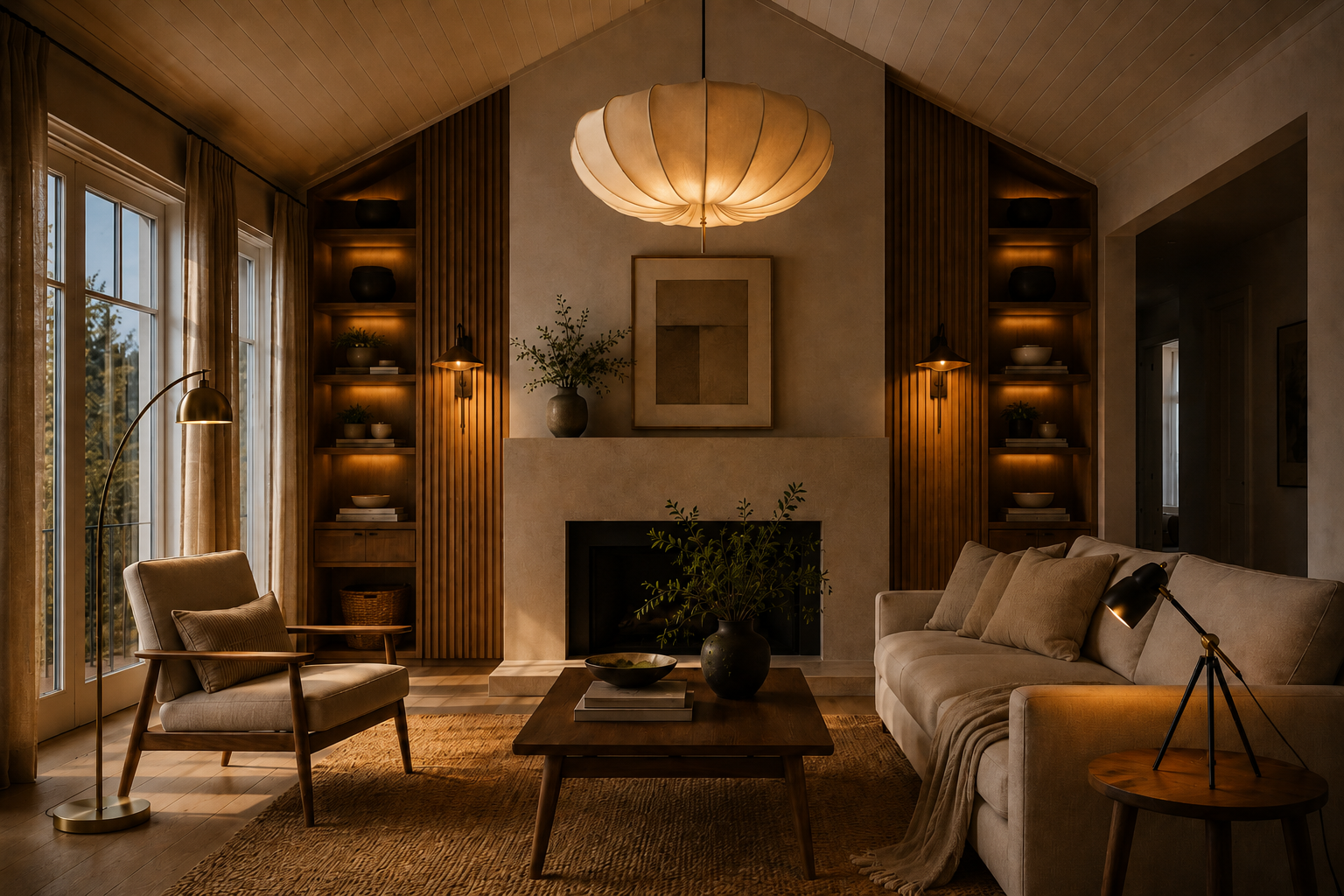
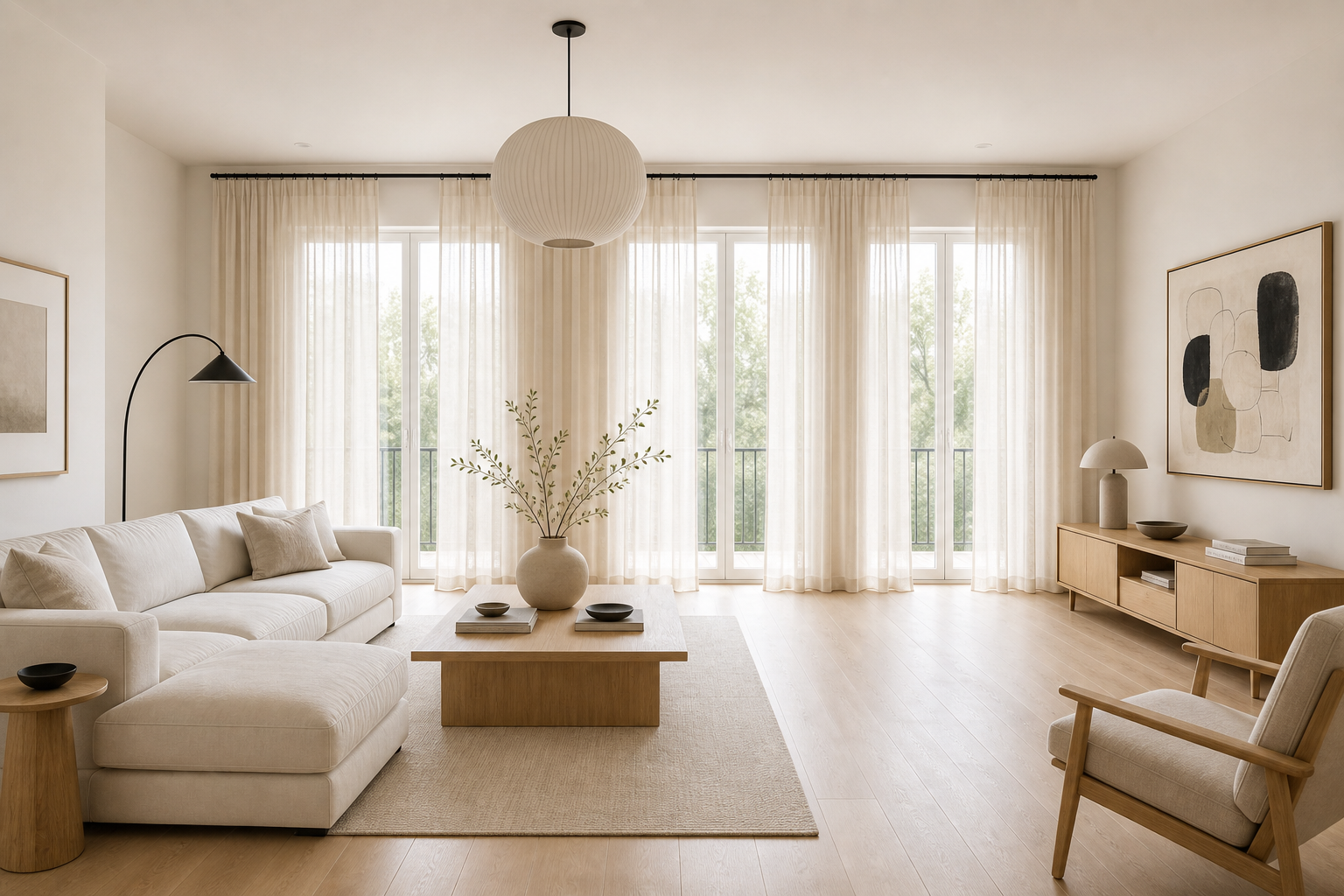
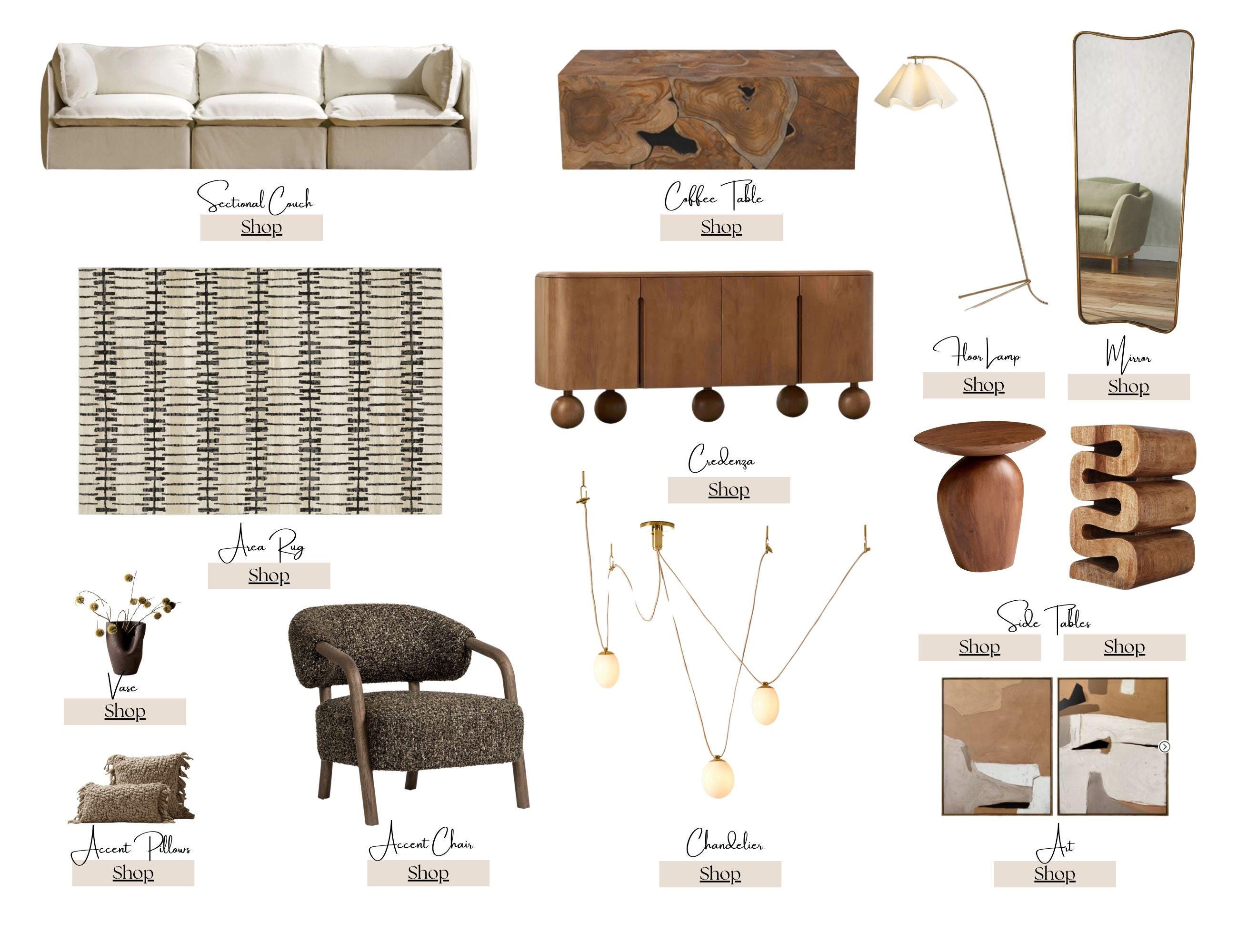
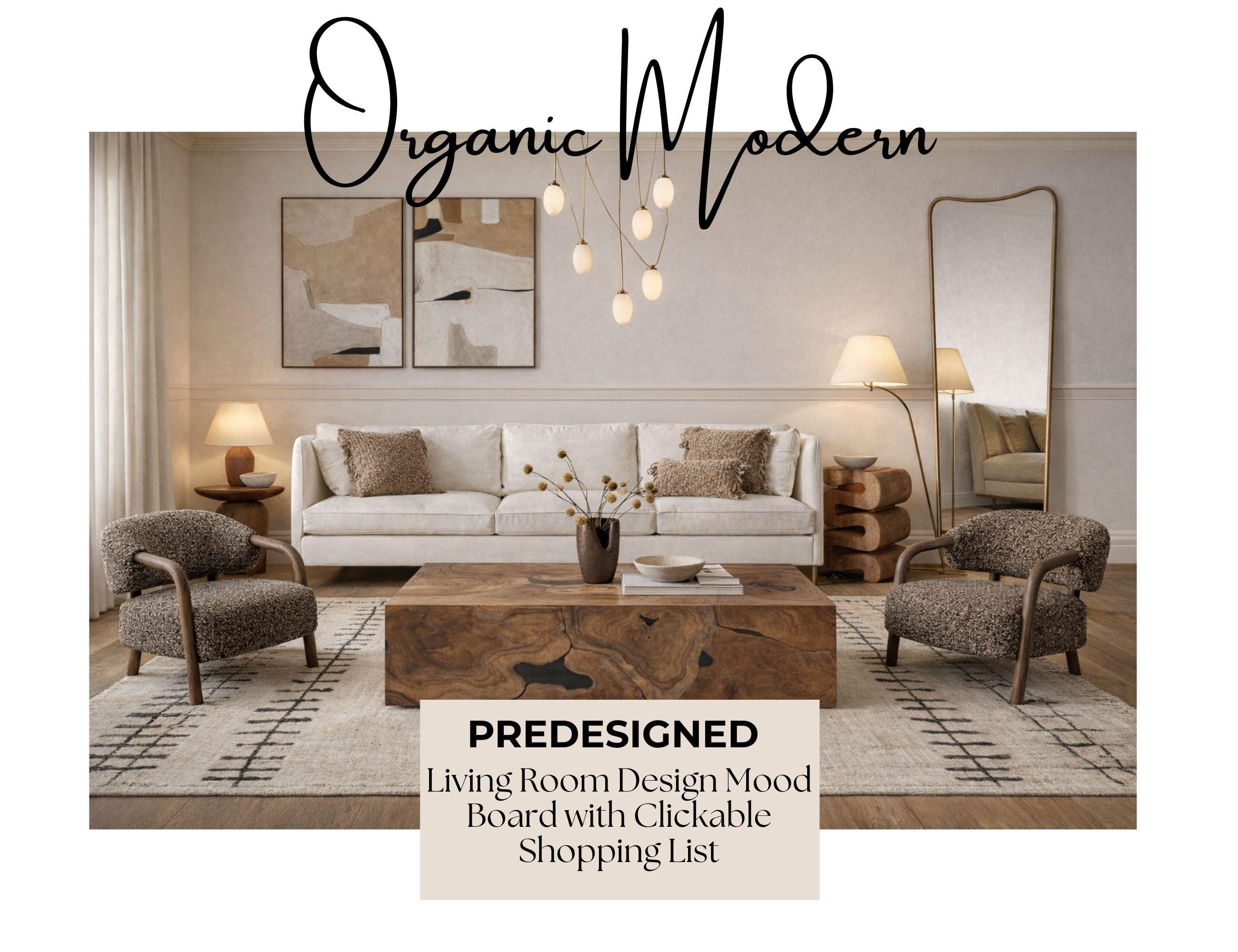
- Sofa: Choose a low-profile sofa in a natural fabric — linen, cotton boucle, or textured weave. Muted tones: warm grey, oat, sand, or sage.
- Coffee table: Solid wood, lower than typical (12–16 inches). Simple rectangular or organic oval form.
- Rug: Natural fiber rug (jute, wool, cotton) in a neutral tone. Flat weave or low pile.
- Plants: One or two carefully chosen plants — a fiddle-leaf fig, a snake plant, a simple bamboo. Not a collection; a considered selection.
- Art: One piece, carefully placed, with space around it. A framed botanical print, a simple ink drawing, or a ceramic wall hanging.
Bedroom
- Bed: Platform bed in natural wood — light oak for the Scandinavian lean, darker walnut or black-stained wood for the Japanese lean. No ornate headboard; simple or none.
- Bedding: Linen duvet cover in warm white or oat. Add a textured throw in a complementary tone. No busy patterns.
- Nightstands: Simple, low, solid wood. One small lamp (ceramic base, linen shade).
- Declutter ruthlessly: In a Japandi bedroom, the dresser top holds one small dish and nothing else. The floor is clear. Storage is behind closed doors.
Kitchen and Dining
- Dining table: Solid wood, simple form. The grain of the wood is the visual interest.
- Chairs: Matching wooden chairs with simple lines, or a mix of wooden and neutral upholstered chairs.
- Tableware on display: Open shelving in Japandi kitchens should hold beautiful, simple ceramics — not a random collection of mismatched storage containers.
- Countertops: Clear. A cutting board, a ceramic bowl of fruit, a simple plant. Nothing more.
What to Avoid in Japandi Design
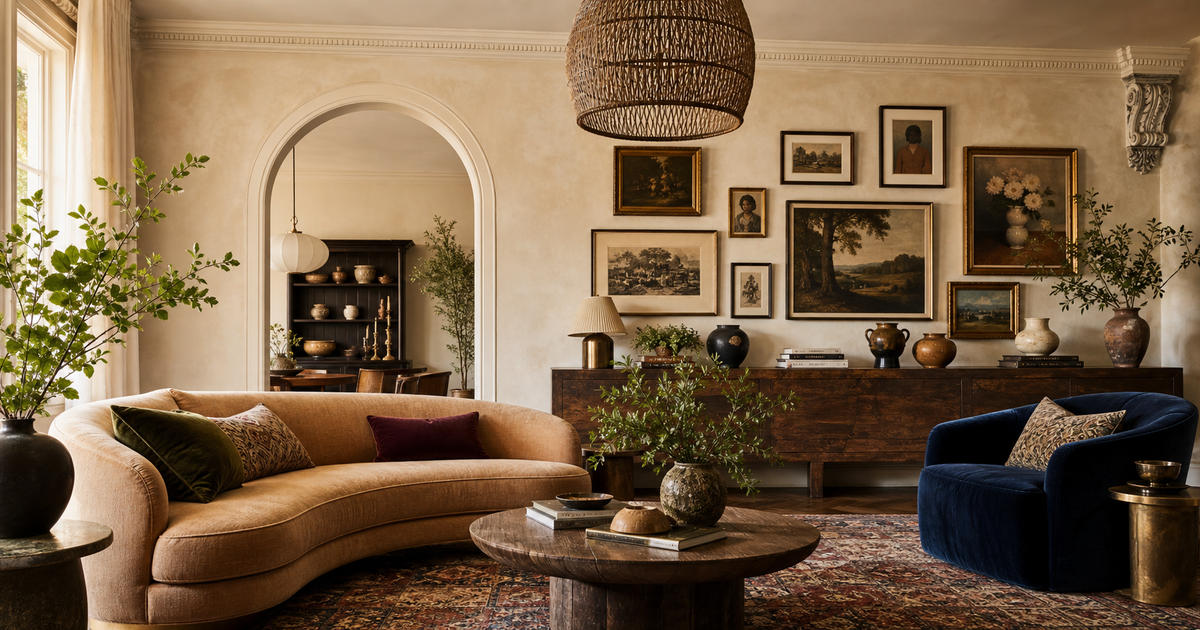
- Bright accent colors — even small injections of bright red, royal blue, or chartreuse break the calm
- Overly rustic or farmhouse elements — distressed wood and chicken wire don't belong here
- Matching furniture sets — Japandi feels curated, not purchased as a room package
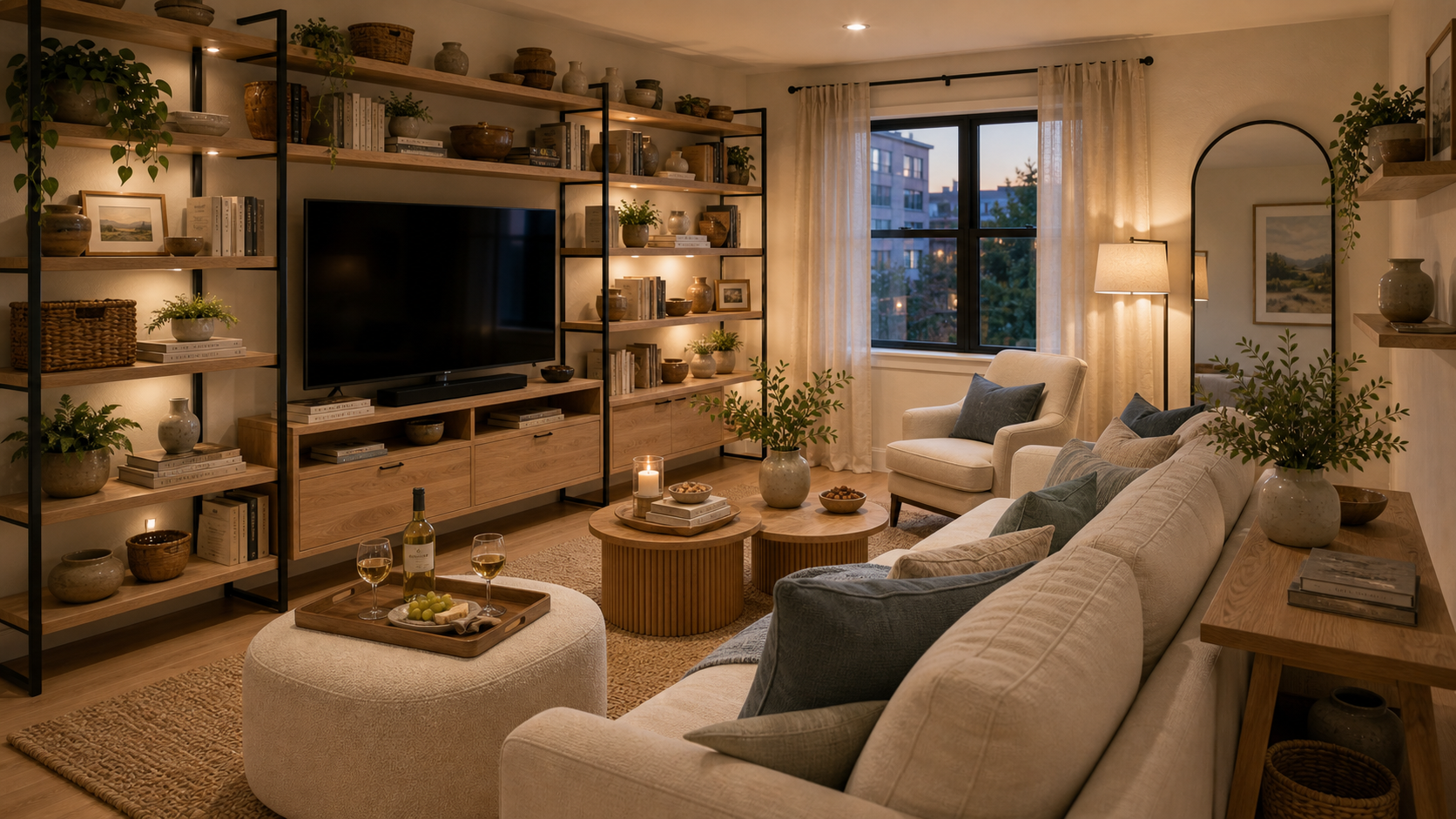
- Excessive accessories — resist the impulse to fill shelves and surfaces
- Industrial elements — exposed pipes, Edison bulbs, and raw metal read as industrial, not Japandi
Starting Point: Floor Plan First
The Japandi aesthetic depends on negative space — on what isn't there as much as what is. A Japandi room that's over-furnished, or with furniture in the wrong arrangement, loses its essence.
Before choosing finishes and furniture, start with a floor plan that gives your Japandi space room to breathe. Pre-made room plans from athomeplans.com include style-specific arrangements you can use as a foundation — including layouts that work with Japandi's characteristic low profiles and generous spacing.
Ready to shop the look? See our curated Japandi living room pieces: 12 picks worth every penny — from the right sofa to the perfect rug.
Discover your perfect room layout at athomeplans.com — designed to give every space the breathing room it deserves.