How to Make a Small Space Feel Bigger: A Room-by-Room Design Guide
Small spaces have a way of making us feel like we're playing a never-ending game of Tetris — and losing. Whether you're in a studio apartment, a cozy starter home, or working with awkward proportions, the squeeze is real. But here's the good news: with a few smart design moves, even the tightest rooms can feel open, airy, and intentional.
You don't need to knock down walls or hire a full design team. You just need to understand how light, scale, and visual flow work together — and then shop smart.
Living Room: Create the Illusion of Space
The living room sets the tone for your entire home, so it's the best place to start when tackling small space interior design.


Use mirrors strategically. A large wall mirror is one of the most powerful (and most affordable) tricks in any small living room. Hung horizontally behind the sofa, it reflects natural light back into the room and makes the space feel twice as large. A large rectangular mirror in brushed gold or matte black pulls double duty as a statement piece.
Choose multifunctional furniture. A sofa with built-in storage keeps throw blankets, remotes, and other living room clutter out of sight — reducing the visual noise that makes even well-designed small living rooms feel cramped. Look for light-colored upholstery: cream, warm gray, or soft sage. Light tones reflect more light and make walls feel farther apart.
Shop the look: AMBERHAUS Ivory Storage Loveseat (~$300) | Homebeez Storage Ottoman with Tray (~$110)
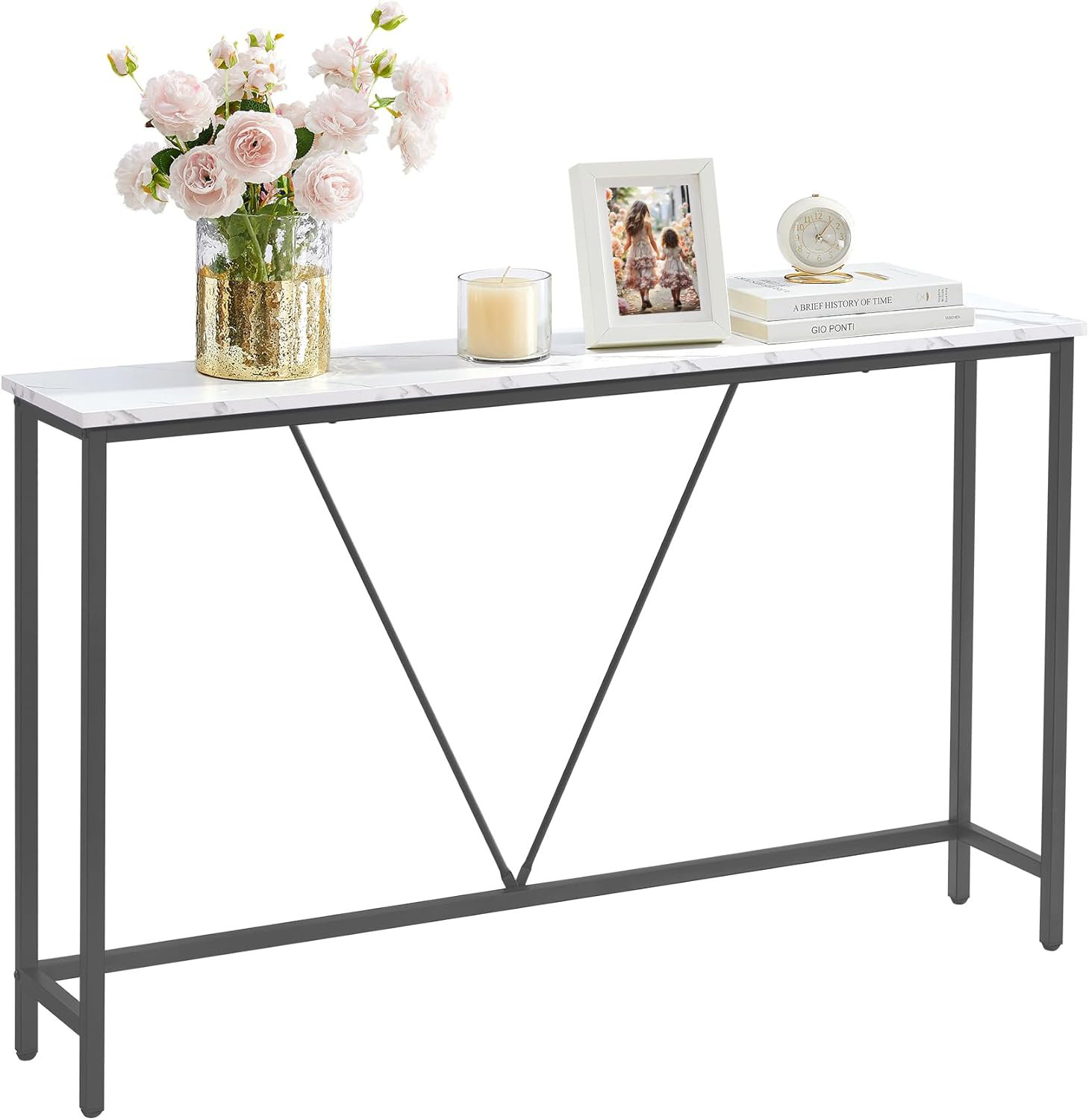
Tuck a storage console between the wall and the sofa. The gap behind your couch is underused space. Slide in a narrow console — especially one with a hinged top — and you gain a convenient spot for glasses, remotes, and books right at arm's reach, plus hidden storage for things that don't need to be out all the time.
Float furniture away from walls. It feels counterintuitive, but pushing all your furniture against the walls actually makes a room feel smaller. Pull your sofa 12–18 inches away from the wall and anchor it with a low-profile rug. This creates breathing room, defines the seating zone, and gives the space a more intentional, designer-curated feel.

Ditch the single coffee table — try a varying-height side table cluster instead. Rather than one large table anchoring the center of the room, group two or three side tables at different heights around the sofa. Each can be pulled in when you need a surface, then pushed back or rearranged as the room demands. You get more flexible functionality than a fixed coffee table allows — and the layout stays easy to adapt.
Shop the look: Bifins Nesting Side Tables, Set of 3 (~$55)
Install shelving above head height. Most people stop decorating and storing at about five feet — but everything above that line is free space. Floating shelves installed above the sofa or running continuously around the room draw the eye upward, make ceilings feel taller, and store books, plants, and objects without claiming a single inch of floor space.
Shop the look: QueenFun White Oak Floating Shelves, Set of 3 (~$30) | vidaXL Oak & White 4-pack (~$45)
Bedroom: Sleep Smarter, Not Smaller
The bedroom is where clutter tends to hide — because there's often nowhere else for it to go. These strategies help you reclaim the room.

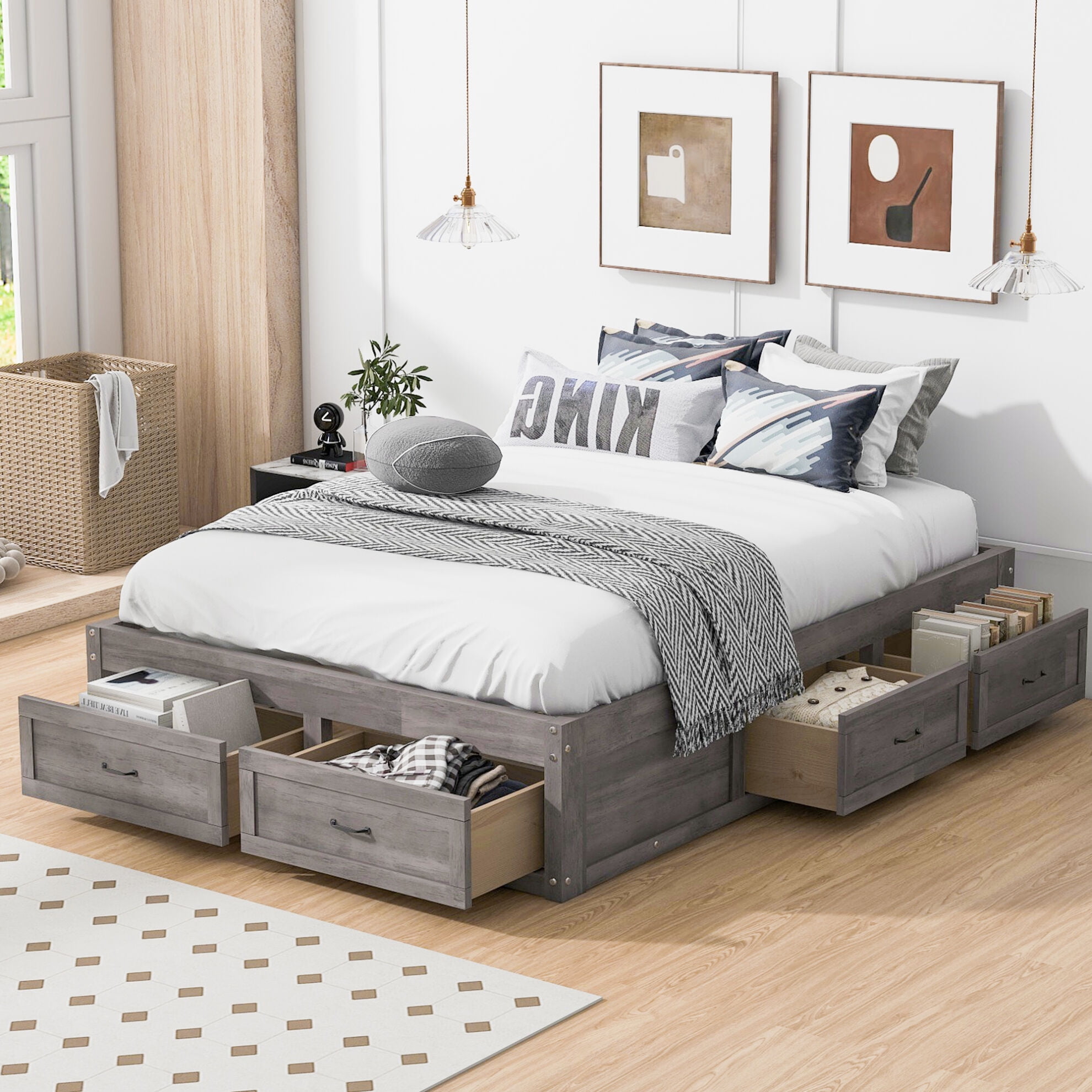
Maximize under-bed storage. If your bed frame doesn't include built-in drawers, low-profile rolling storage bins work just as well. Moving off-season clothing and extra linens under the bed can free up an entire closet — and a clutter-free closet means a calmer room.
Shop the look: Ebern Designs Wingback Storage Bed, Beige (~from $600) | VINGLI Fluted Oak Floating Nightstand (~$60)
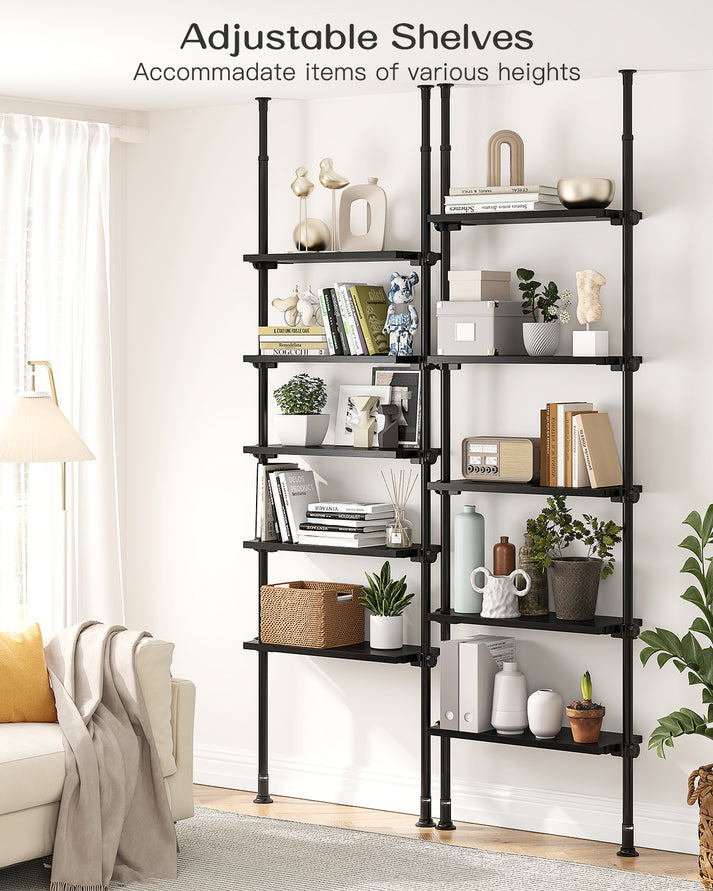
Think vertical. Floating shelves are a bedroom game-changer. Instead of a wide dresser that eats floor space, mount oak or white shelves on an empty wall for books, plants, and a few intentional decor pieces. The vertical line draws the eye upward, making ceilings feel higher and rooms feel taller.
Shop the look: QueenFun White Oak Floating Shelves, Set of 3 (~$30) | TUTOTAK 8-Tier Narrow Bookshelf (~$50) | Marlrin Minimalist Slim Floor Lamp 58" (~$35)
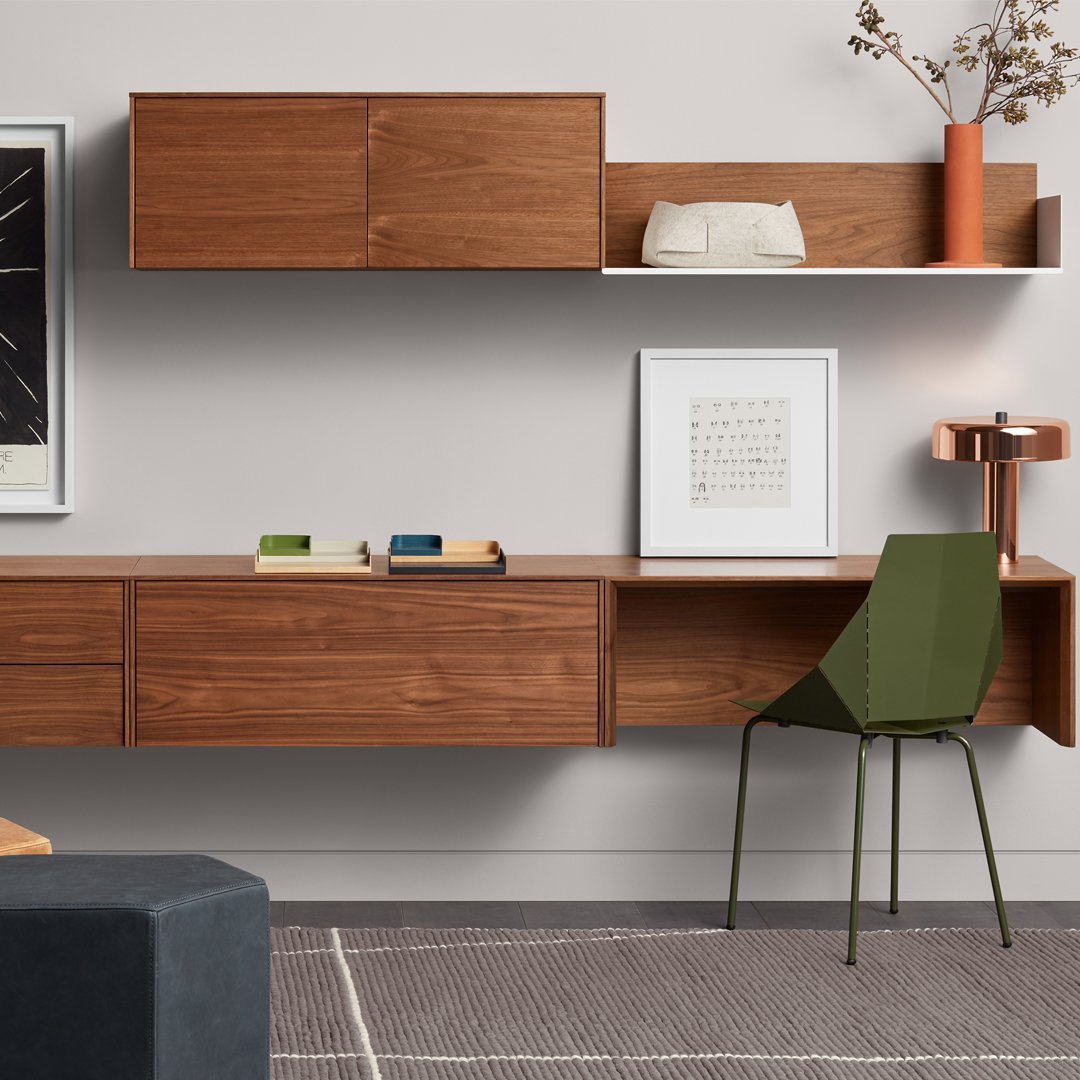
Consider wall-to-ceiling built-ins instead of nightstands. Traditional nightstands take up floor space and limit how you can arrange a small bedroom. An alternative worth considering: floor-to-ceiling built-in cabinetry flanking the bed, with integrated drawer units at nightstand height. You still have a surface for your lamp, phone, and water glass — but you also gain substantial storage above and below, and the room reads as designed rather than assembled.

Keep decor intentional. Every decorative item in a small bedroom should earn its place. Choose a handful of pieces that genuinely bring you joy, and resist the temptation to fill empty wall space. A single oversized piece of art above the bed, flanked by matching wall sconces, creates a cohesive and calm aesthetic — the opposite of cramped.
Dining: Make Every Inch Count
A small dining area doesn't have to feel like a compromise. Built-in seating and round tables transform tight corners into the coziest spot in the house.

Try a round table. Rectangular tables demand clearance on all four sides. A round pedestal table with no legs at the corners lets chairs tuck in fully and allows traffic to flow around it more naturally — a meaningful difference in a tight space.
Shop the look: Compact 5-Piece Round Dining Set (~$280)
Built-in banquette seating doubles your storage. A custom or semi-custom banquette bench around a corner table fits where freestanding chairs can't — and the seat base can open for hidden storage. It also defines the dining zone as a destination, not an afterthought.

Hallways & Transition Spaces: Don't Waste a Single Wall
The spaces between rooms are often completely overlooked — but they're some of the best real estate in a small home.

Use the space above doors. Continuous shelving above door frames — running the full length of a hallway — creates substantial book and object storage without touching a single inch of usable floor space. Paint the ceiling a bold accent color to make the feature feel intentional rather than improvised.
Home Office & Multi-Use Rooms: Design for Double Duty
In many homes, the "office" is also the guest room, the craft room, or the playroom. Making it work requires a design approach built around flexibility.

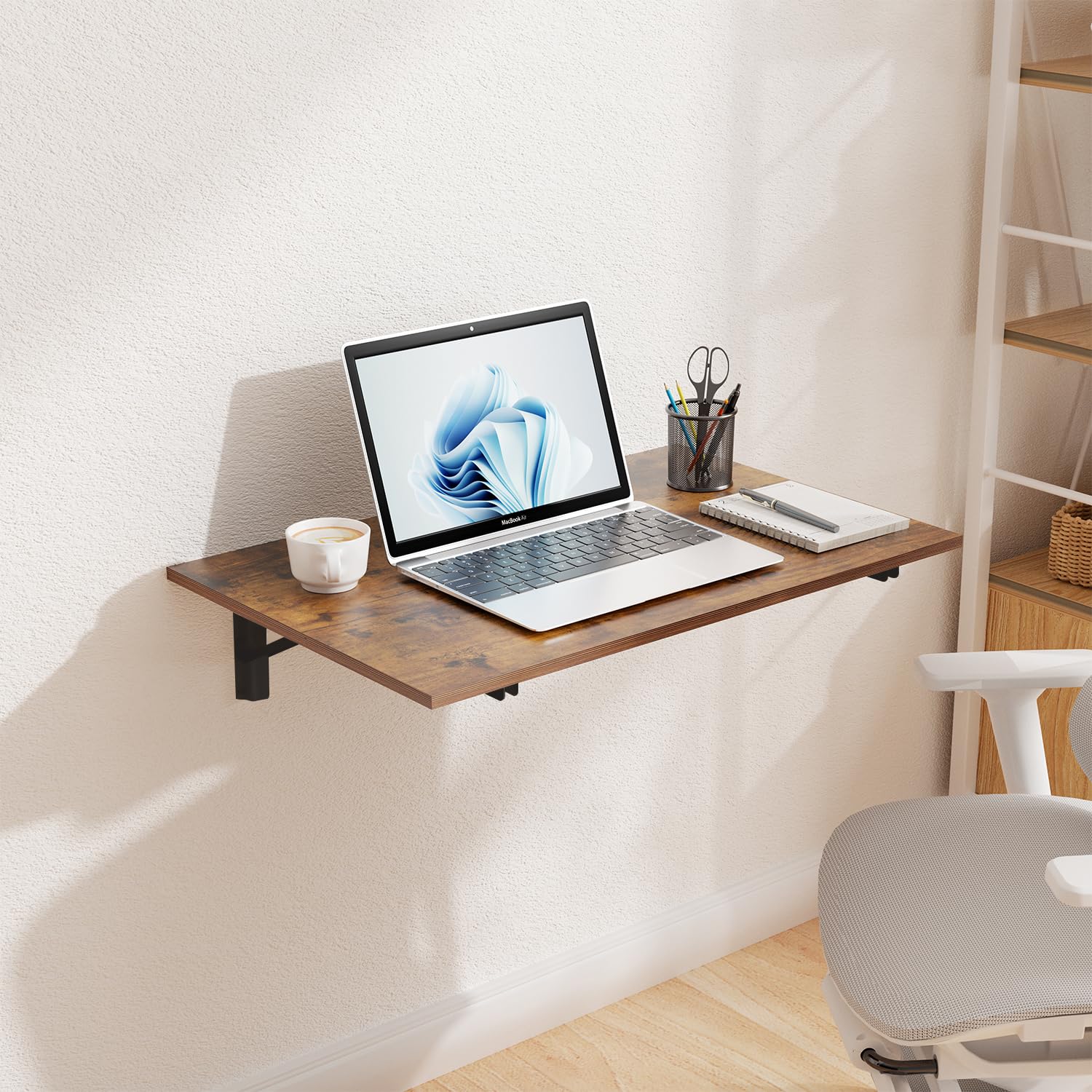
Mount your desk on the wall. A wall-mounted fold-down desk gives you a functional workspace that folds completely flat when you're not using it. This is especially powerful in small space interior design when a room needs to serve two purposes without feeling like it belongs to neither.
Use nesting tables instead of permanent furniture. A set of nesting side tables can serve as a coffee table, an extra work surface, or a bedside table — and stack neatly out of the way when the room needs to flex into something else.
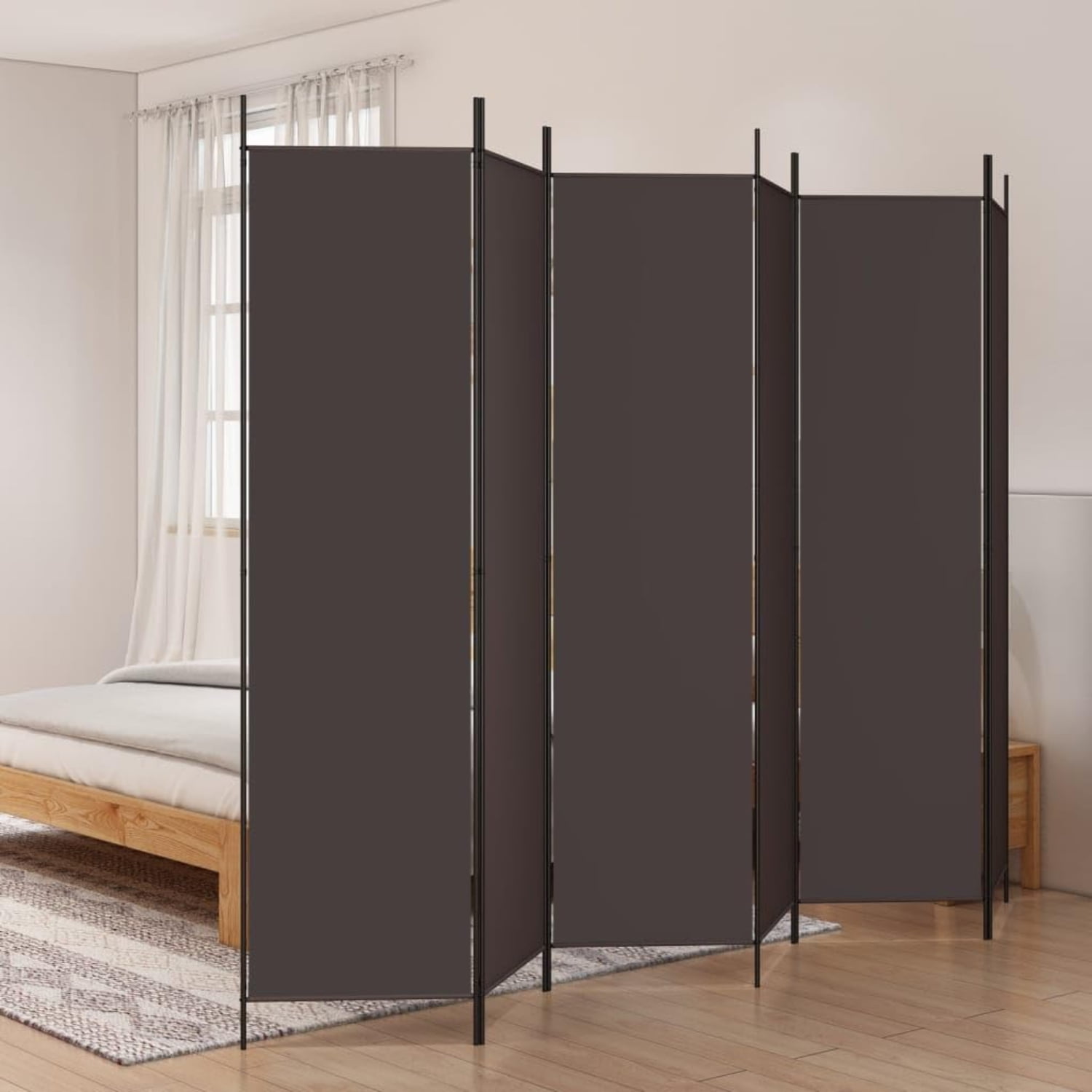
Define zones with curtains or dividers. In an open-plan room, sheer linen curtains can section off a workspace or sleeping nook without making the room feel choppy. Their translucency keeps light flowing freely while giving each zone a sense of purpose and privacy.
Shop the look: NICETOWN Natural Linen Sheer Curtains, 84" (~$35)
Color-drenching an alcove creates a room-within-a-room. When a small carved-out space — a former closet, an under-stair nook, an awkward bump-out — is painted top-to-bottom in one bold, saturated color, it stops reading as leftover space and starts reading as a deliberate design moment.

Ready to Take It Further? Get a Custom Interior Design Plan.
Sometimes, having the right individual pieces isn't enough — you need a vision for how they all come together. That's where a custom interior design plan comes in.
Our plans are built for real homes and real budgets. Whether you need a full room refresh or just a furniture arrangement that finally makes sense, we'll create a personalized plan you can actually execute — complete with exact product links, dimensions, and styling guidance included.
Already know what you want? Browse our ready-made room design plans → — no appointment needed, no commitment required.
Small changes add up fast. Start with one room, one wall, or even one mirror — and watch how quickly a space can transform.